
Everest Fang is a student at Harvard Law School.
In today’s news and commentary: the Supreme Court rejects emergency application regarding NLRB constitutionality and declines Uber’s bid to challenge California’s AB5, and voters in California and Nevada consider ban on forced prison labor.
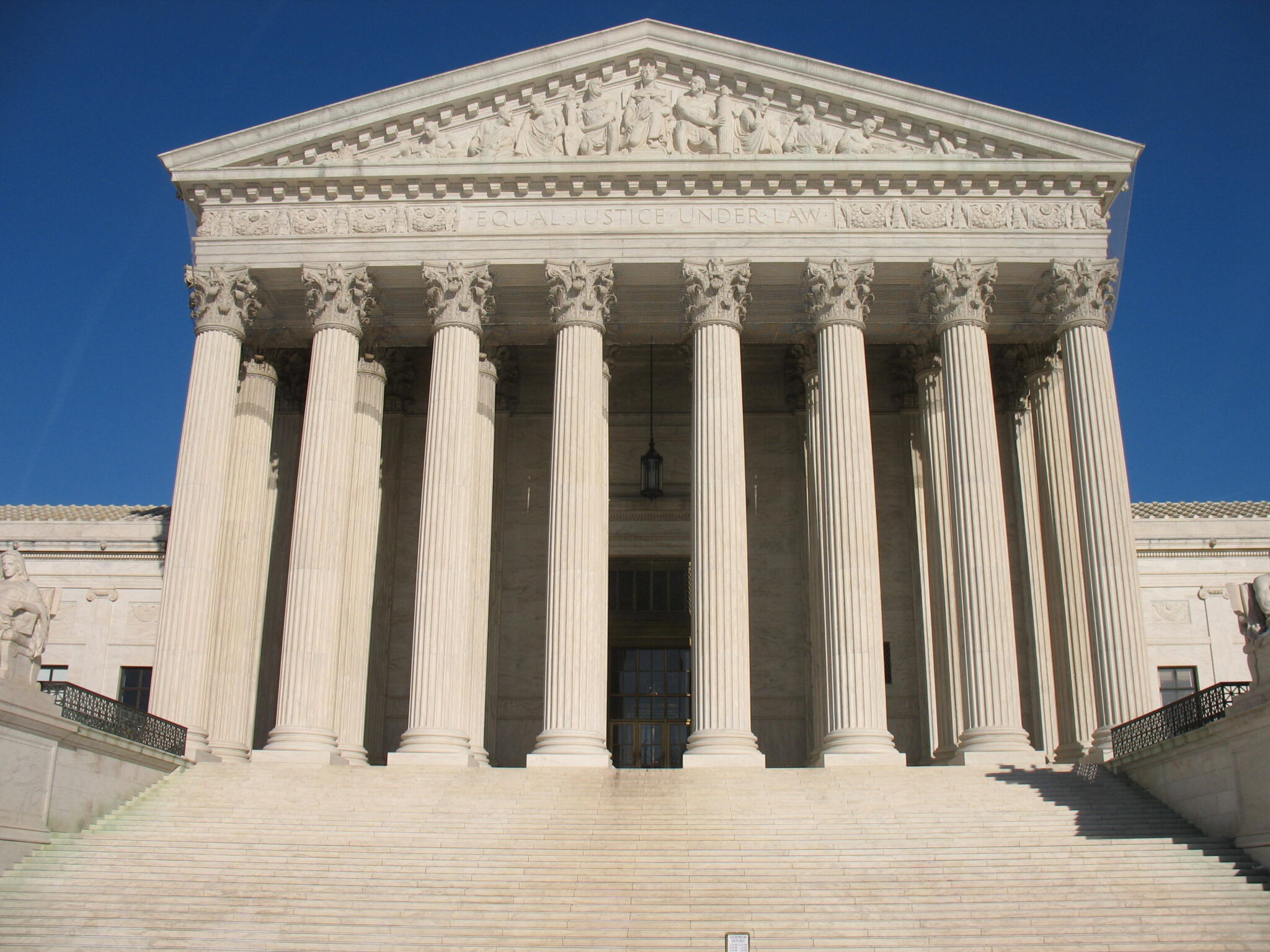
Yesterday, the Supreme Court declined to wade into the claims made by a growing number of businesses that the NLRB’s in-house enforcement proceedings are unconstitutional. As Sunah wrote yesterday, an auto parts company called Yapp USA had filed an emergency application to the Supreme Court on Monday, seeking to block an NLRB case against the company, pending the outcome of its lawsuit claiming board officials are unconstitutionally shielded from at-will removal by the president. Justice Brett Kavanaugh, who oversees requests arising from the Sixth Circuit, denied the emergency application yesterday, writing no explanation.
The Supreme Court also declined a bid by Uber Technologies and subsidiary Postmates to revive their challenge to California’s worker-friendly employment classification law. The justices denied Uber’s petition for review of a Ninth Circuit ruling rejecting the companies’ challenge to the law known as AB5. California app-based drivers are already exempt from AB5 under an industry-backed 2020 ballot initiative known as Proposition 22. The California Supreme Court upheld Prop 22 in July, rejecting a union’s claims that it violated the state’s constitution. However, state enforcement efforts against the companies seek penalties for alleged violations of AB 5 from before Prop 22’s effective date. In their challenge to AB 5, Uber and Postmates argued the law deprived them of equal protection of the law by treating companies in their industry worse than other companies, out of hostility and political favoritism. However, the Ninth Circuit held that California lawmakers had rationally determined that transportation and delivery companies were more likely to misclassify workers, and that AB5 was a reasonable response to that problem.
This November, voters in California and Nevada will decide whether to ban forced prison labor by removing language from their state constitutions rooted in the legacy of chattel slavery. The ballot measures aim to protect incarcerated people from being forced to work under the threat of punishment. In both states, it is not uncommon for prisoners to be paid less than $1 an hour to fight fires, clean prison cells, make license plates or do yard work at cemeteries. Nevada’s proposal aims to abolish from its constitution both slavery and involuntary servitude as punishment for crime. California’s constitution was changed in the 1970s to remove an exemption for slavery, but the involuntary servitude exception remains on the books. Colorado, Alabama, and Tennessee have in recent years removed exceptions for slavery and involuntary servitude from their constitutions. However, in Colorado — the first state to get rid of an exception for slavery from its constitution in 2018 — incarcerated people alleged in a lawsuit filed in 2022 against the corrections department that they had still been forced to work.




Daily News & Commentary
Start your day with our roundup of the latest labor developments. See all
October 25
Dallas Cowboys Cheerleaders unionize; Bureau of Prisons again pushes for union contract cancellation; CSU faculty votes on strike authorization.
October 23
Employers increasingly shift health care costs onto workers and NYC proposes placing restrictions on fully automated customer service.
October 22
SCOTUS declines Wilcox appeal; Penn State research assistants win bargaining rights; SEIU sued over military leave firing.
October 21
DOL withdraws tipped-worker rule; Instacart settles hiring-bias claims; Phillips 66 locks out New Jersey refinery workers.
October 20
Korean unions oppose labor exemption bill; Portland city workers prepare for strike; UPenn grad student union looks to dismiss university filing
October 19
FDA reverses course on policy prohibiting off-duty union activity; FAA and NATCA reach deal to secure pay increase for air traffic controllers.