
Luke Hinrichs is a student at Harvard Law School.
In today’s news and commentaries, federal labor and antitrust agencies enter agreement to collaborate on investigations of mergers and acquisitions; United Airlines Flight Attendants vote 99.99% for strike authorization; and Cornell service and maintenance workers organized with the UAW reach a tentative agreement on a new labor contract to end workers’ strike.
The Federal Trade Commission (FTC) and the Department of Justice Antitrust Division (DOJ) joined together with the Department of Labor (DOL) and National Labor Relations Board (NLRB) in entering a new memorandum of understanding (MOU) to enhance the antitrust agencies’ ability to evaluate the impact of mergers and acquisitions on labor markets. The MOU sets forth clear methods the antitrust agencies may rely on to investigate labor market competition harms, including soliciting information from worker stakeholders and organizations, seeking production of employer information related to labor markets, utilizing NLRB and DOL data sets, and relying on NLRB and DOL personnel for additional assistance upon request. Under the agreement, the NLRB and DOL commit to providing training to antitrust personnel and assistance during merger reviews and labor market merger investigations. The four agencies will meet bi-annually to further the implementation of the partnership.
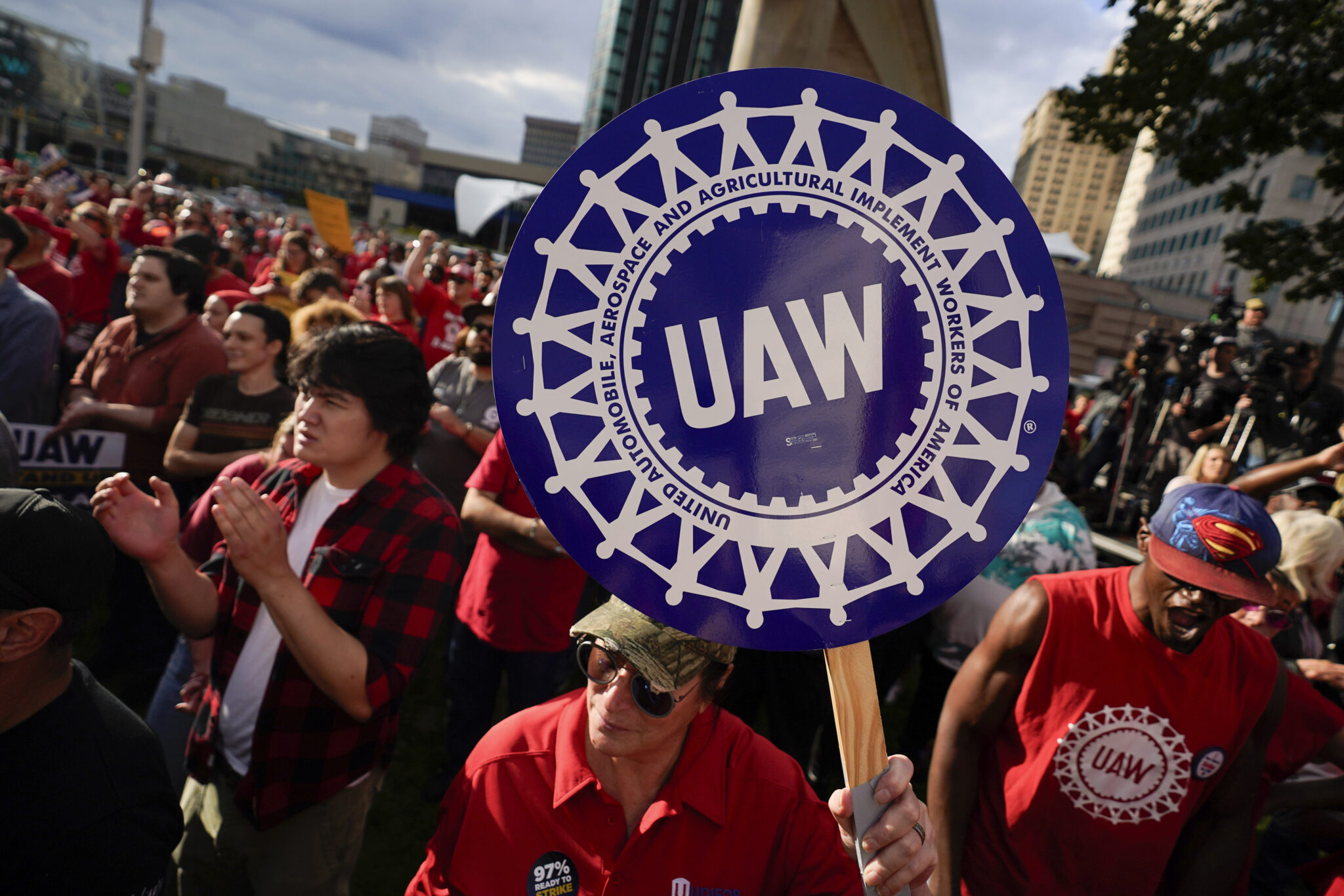
The United Auto Workers (UAW) and Cornell University have reached a tentative agreement to end the unfair labor strike of roughly 1,200 service and maintenance workers that began on August 18. The agreement includes a 21% to 25.4% hourly wage increase over the four-year contract term, depending on job level and hire rate. The tentative increase falls between the union’s original demand for a 45% wage increase and Cornell’s last offer of a 19.5%. The deal also eliminates the tiered wage system and provides cost-of-living adjustments to protect wages against inflation. The UAW membership will vote whether to ratify the new labor agreement on September 1 and 2.
United Airlines Flight Attendants, represented by the Association of Flight Attendants-CWA (AFA), voted 99.99% in favor of strike authorization if the airline fails to agree to proposed contract improvements. The major airline’s flight attendants have been eligible for contract updates for almost three years, and negotiations remain ongoing. The United Flight Attendants’ demands include double-digit base pay increase, pay for time at work on the ground, retroactive pay to the amendable date, schedule flexibility and work rule improvements, job security, and retirement benefits. The vote marks the first time since the 2005 bankruptcy negotiations that United Airlines Flight Attendants voted on strike authorization. Because the United Airlines Flight Attendants are already before the National Mediation Board, the Attendants are required to seek an official release from the mediation before a strike can commence. Even if such a release was granted, a mandatory 30-day cooling-off period is required before a strike is enacted. Flight attendants at other major U.S. airlines—such as American, Alaska, and Southwest—have more recently held strike authorization votes to advance stalled contract negotiations, but none have enacted a strike.





Daily News & Commentary
Start your day with our roundup of the latest labor developments. See all
October 12
Workers at the Obama Foundation begin organizing; MLB submits its latest collective bargaining agreement proposal; Brigham & Women's nurses postpone strike.
October 11
UAW President Shawn Fain succeeds in his reelection bid, and Spanish unions call for a general strike.
October 9
DHS proposes a $100k fee for the foreign grad employment program; Trump suspends tech company access to green card program; and private equity perpetuates poor working conditions for home care workers.
October 8
NLRB judge finds UPS unlawfully restricted union insignia; Harvard graduate workers authorize second strike; OSHA orders Union Pacific to pay $300,000 in damages in whistleblower case.
October 7
DOL scraps plan to remove decades-old wage-and-hour guidance from federal regulations; New York enacts personnel records access law; Starbucks loses bid to dismiss Workers United trademark suit.
October 6
Protect College Sports Act dampens athlete unionization outlook; Stanford RA union decides to withdraw petition