
Luke Hinrichs is a student at Harvard Law School.
In today’s news and commentaries, Maine Legislature votes to grant farm workers minimum wage and labor rights; Apple store workers in New Jersey petition to unionize; and Wisconsin Governor vetoes legislation that would rollback child labor laws.
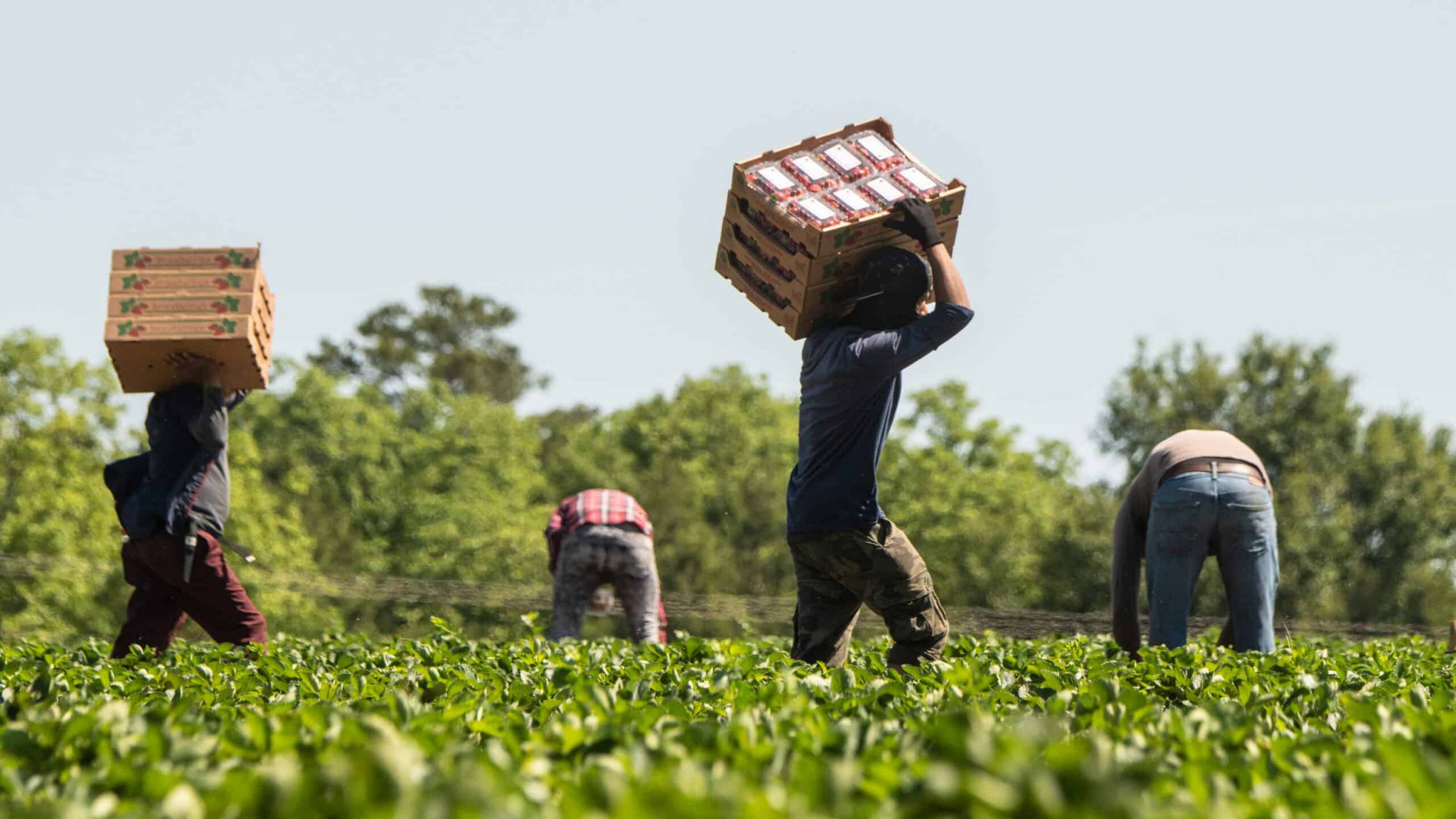
On Wednesday, April 10, the Maine legislature passed two compromise bills providing agriculture workers a minimum wage and the right to discuss wages and engage in other concerted activities. LD 2273, proposed by Maine Governor Janet Mills, establishes a minimum wage of at least $14.15 an hour subject to annual cost-of-living increases, the same hourly minimum that other employees enjoy under Maine law. The bill also establishes recordkeeping requirements for employers. The legislation narrowly passed the state’s House of Representatives in a 72-70 vote. The State Senate passed the bill 23-11. The Maine Legislature also passed an amended version of LD 525 granting agricultural workers the right to discuss wages, working conditions, and other matters related to their employment. The originally proposed version of the bill would have explicitly established agricultural workers’ right to unionize.
104 employees of an Apple Inc. retail store in Short Hills, New Jersey have filed their petition with the National Labor Relations Board on Monday, April 8 to unionize with the Communications Workers of America representing the workers. The New Jersey staff are the fifth U.S. Apple Store to petition to unionize. Of the four prior unionization efforts, only two retail stores— in Oklahoma City and Towson, Maryland— have successfully unionized but both have yet to reach a collective bargaining agreement with Apple. The New Jersey employee’s petition breaks a yearlong slowdown in Apple store organizing amid Apple’s history of intimidation, coercive interrogations, labor law violations, and other allegedly illegal union-busting tactics.
Wisconsin Governor Tony Evers vetoed legislation on Monday that, if executed, would have eliminated work permit requirements for 14- and 15-year-old children. The bill passed both houses of the Legislature along party lines without support from an Democrat representatives, and it was broadly condemned by labor unions. The existing permit provision allows parents or guardians to apply for a work permit on behalf of the minor, creates a monitoring system that allows government enforcers to track child labor in the state, and includes a $10 fee that funds the enforcement of child labor laws.





Daily News & Commentary
Start your day with our roundup of the latest labor developments. See all
September 28
The Protect College Sports Act nears passage in the Senate; San Francisco municipal workers agree to contract extensions.
September 27
The Trump Administration reaches a settlement with federal unions on reduction in force actions; the United Auto Workers file an en banc petition seeking review of a Second Circuit decision regarding labor arbitrations.
September 25
Healthcare workers rally to restore legal status for TPS holders; nurses at a Maine hospital overwhelmingly vote to form their union despite alleged aggressive union busting tactics.
September 24
NLRB abandons rule for offensive conduct during protected activity; New York home care workers seek a union election; maritime deck officers endure long fight for first contracts.
September 23
DoorDash settles delivery-worker pay claims; Philadelphia school workers win new contract; stock gains spur retirements.
September 22
Judge blocks ICE raids in Alabama; Chicago hotel workers vote to strike; AutoZone workers look to create first union