John Fry is a student at Harvard Law School.
In today’s news and commentary, San Francisco renters go on strike; a trademark suit against Trader Joe’s United is dismissed; and Alabama governor Kay Ivey warns against unionization.
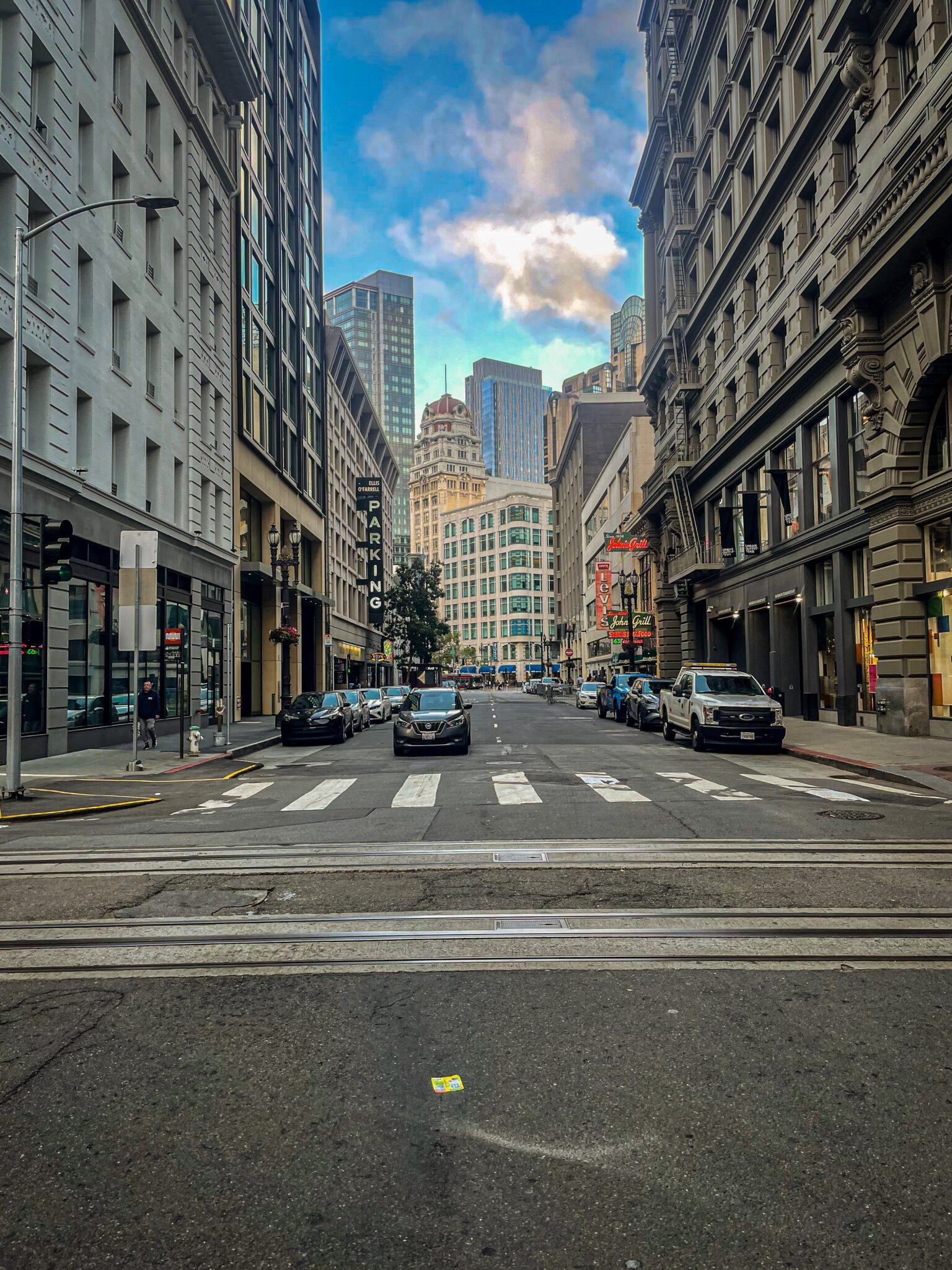
A group of renters in San Francisco’s Tenderloin neighborhood are staging a rent strike, aided by a local law that creates legal protections for tenant unions. The strikers are demanding that their corporate landlord address harmful living conditions such as mold. They are depositing their rent into a trust in the meantime. San Francisco’s “Union at Home” law protects efforts to organize tenant unions and requires landlords to meet and confer with the unions in good faith. Labor law scholars have encouraged lawmakers to use labor unions as a model for constructing countervailing power for other groups, such as debtors and welfare recipients. The Tenderloin rent strike shows the promise of this approach.
A federal district court in California has dismissed Trader Joe’s trademark lawsuit against Trader Joe’s United, the union representing some of its workers. The grocer argued that the union’s logo, featured on merchandise sold online, was too similar to the store’s own logo, and that customers might confuse the two. The judge not only rejected these claims, but warned that the lawsuit came “dangerously close” to warranting sanctions, which may be imposed for a frivolous lawsuit or one with improper motives. Eyes will now turn to a similar lawsuit that Starbucks launched against Starbucks Workers United in October as part of the company’s many-front legal battle against the union.
Alabama governor Kay Ivey is urging the state’s auto workers not to unionize, as the United Auto Workers target non-union automakers concentrated in the South in the wake of their contract victory at Detroit’s “Big Three.” UAW’s campaign at a Mercedes-Benz plant near Tuscaloosa went public last week after 30% of workers signed union cards. The union has adopted a “30-50-70” strategy for its new organizing drives. A campaign will go public after reaching 30% support in a plant. At 50%, UAW president Shawn Fain will lead a community rally. At 70%, the union will demand recognition or file for an NLRB election. Non-union automakers, most recently Tesla, have been boosting wages in hopes of staving off unionization.





Daily News & Commentary
Start your day with our roundup of the latest labor developments. See all
October 9
DHS proposes a $100k fee for the foreign grad employment program; Trump suspends tech company access to green card program; and private equity perpetuates poor working conditions for home care workers.
October 8
NLRB judge finds UPS unlawfully restricted union insignia; Harvard graduate workers authorize second strike; OSHA orders Union Pacific to pay $300,000 in damages in whistleblower case.
October 7
DOL scraps plan to remove decades-old wage-and-hour guidance from federal regulations; New York enacts personnel records access law; Starbucks loses bid to dismiss Workers United trademark suit.
October 6
Protect College Sports Act dampens athlete unionization outlook; Stanford RA union decides to withdraw petition
October 5
Delaware bans captive audience meetings; EEOC settles remote work national origin discrimination claim; First Circuit stays enforcement order in VA's dispute with AFGE.
October 4
Boston nurses announce open-ended strike; federal judge restores federal prison workers' union protections; St. Louis workers form the first movie theater union in Missouri.