
Morgan Sperry is a student at Harvard Law School and also serves as OnLabor's Social Media Director.
In today’s news and commentary, WGA reaches a deal, Canadian workers ratify a new contract with Ford Motors, and conservatives embrace the language of populism to push women into marriage.
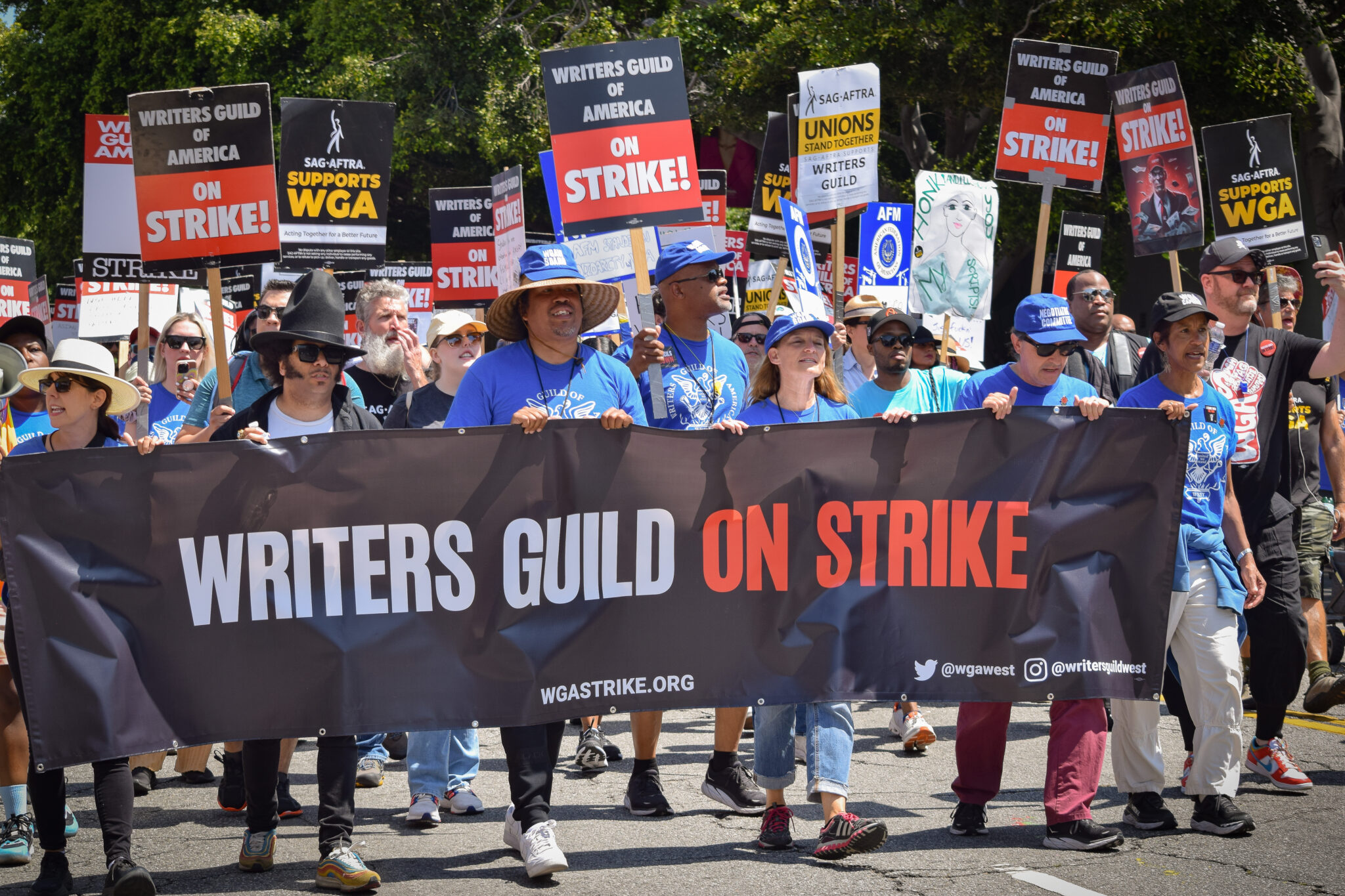
The Writers Guild of America (WGA) reached a tentative deal with the Alliance of Motion Picture and Television Producers (AMPTP) late Sunday night after a record 146-day-long strike. The deal, described by the union as “exceptional,” includes concessions from the producers on most of the writers’ demands, including increased royalty payments for streaming content, minimum staffing of writers’ rooms, and assurances that artificial intelligence will not displace writers. WGA leadership has informed its 11,000 striking writers to stop picketing, but writers will not go back to work until the contract is ratified by WGA membership. Notably, the agreement comes only a week after the California legislature passed Senate Bill 799, which would make striking workers eligible for unemployment insurance. The Bill, once signed, will weaken employers’ economic bargaining power by guaranteeing striking workers funds to cover expenses like food and rent.
On Sunday, the Canadian labor union Unifor announced that its members have voted to ratify a new contract with Ford Motor. The union’s members at Ford ratified a new three-year agreement that includes wage increases of up to 25 percent, including 10 percent for the first year followed by a 2 percent increase through the second year and 3 percent increase through the third year, plus a $10,000 productivity and quality bonus to all active employees. The deal enables Ford to avoid Canadian plant walkouts while the United Automobile Workers in the United States continue to strike the company.
In her latest longform piece for The Cut, Rebecca Traister observes that conservatives have begun deploying populist language to promote marriage as a solution to structural economic inequality. Against the background of a cultural shift that has rendered a slim majority of today’s middle-aged adults unmarried, conservative writers (and even some lawmakers) are presenting marriage as an advantageous proposition for those experiencing economic disenfranchisement. Traister notes that in his new book, Get-Married: Why Americans Must Defy the Elites, Forge Strong Families, and Save Civilization, Brad Wilcox—who is the head of the University of Virginia’s National Marriage Project—co-opts populist language in service of a decidedly conservative project: pushing women into marriage. Traister summarizes Wilcox’s thesis as “[s]tick it to the elites by getting married — rather than, say, taxing them, or unionizing, or redistributing their wealth via the closing of corporate loopholes.”




Daily News & Commentary
Start your day with our roundup of the latest labor developments. See all
June 29
In today’s News and Commentary, student-athletes file a class action suit challenging the NCAA’s new Age-Based Rule, a federal judge declines to issue a preliminary injunction against FEMA’s reduction in force but expedites proceedings, and Gavin Newsom opposes California’s proposed billionaire tax in favor of a federal approach. On Thursday, DeJuan Campbell, at basketball player […]
June 28
Philadelphia utility workers announce July 4 strike; national parks workers vote to unionize; Michigan considers “right to disconnect” bill.
June 26
Mamdani issues workplace heat protections order; Fifth Circuit denies enforcement of NLRB order against Starbucks; AFGE unlikely to secure injunction against FEMA layoffs.
June 25
NLRB orders Amazon to bargain with workers; federal judge blocks ICE agents from making arrests in courthouses.
June 24
NYC primary vies for union support; NLRB ruling tees up Cemex challenge; Sixth Circuit deals blow to NLRB policymaking.
June 23
The Supreme Court declines review of a taxpayer lawsuit against a teacher union's paid leave policy; Congressional Democrats oppose Labor Department's proposed joint employer rule.