
Iman Masmoudi is a student at Harvard Law School.
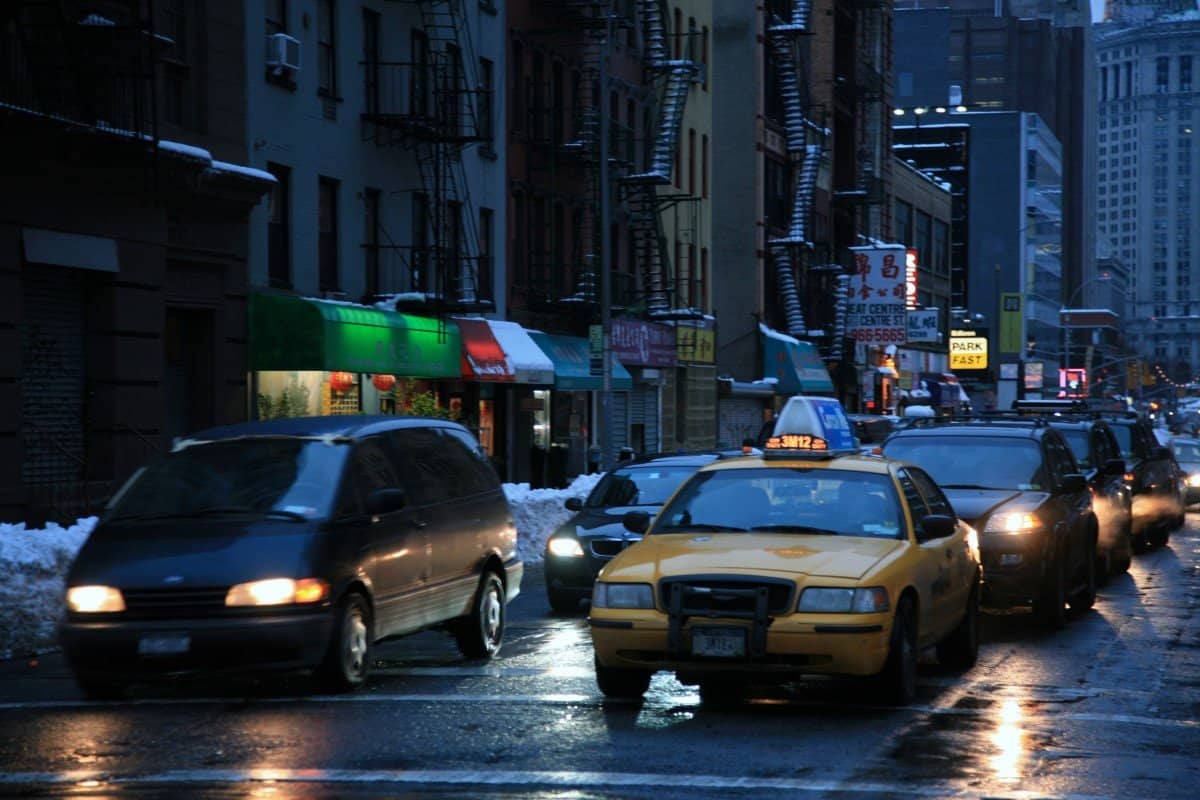
In a slow but important day for labor news, New York City has announced a minimum wage for its 65,000 app delivery workers.
On July 12, app delivery workers will see their minimum wage rise from around $7 to $17.96, with an eventual minimum of $19.96 in 2025. The wage will also be adjusted annually for inflation and includes guidelines for apps that pay by the minute. This victory came after years of organizing primarily by Los Deliveristas Unidos, a movement of app delivery workers which began in 2020 as a group chat of Central American workers in the Upper West Side. With the rise of app delivery workers, restaurants stopped paying salaries and providing equipment and benefits to their own delivery workers. This meant these costs and more were shifted onto app delivery workers. The new minimum wage was calculated to create an effective minimum wage after deducting the various costs that app delivery workers bear as part of their work. Brad Lander, Comptroller of New York City, was the lead sponsor of the City Council Bill in 2021 requiring the NYC Department of Consumer and Worker Protection to conduct a study and promulgate a rule by January 1, 2023.
However, after the Department conducted the study and recommended a wage of $23.82, the deadline of January 1 was inexplicably missed and the rule was later modified in several ways friendly to the food delivery app companies, including a decrease in the recommended wage to $19.96. Additionally, a new hearing was held, and days before the hearing, the delivery apps pushed notifications to workers encouraging them to testify at the hearings with statements that the rule would “make conditions far worse” and “negatively impact flexibility,” according to More Perfect Union’s reporting. DoorDash said in a statement yesterday that it is considering litigation against the City’s “misguided” rule, and discussed eliminating jobs or discouraging tipping to pay for the changes.
Despite six months of delay and these changes, the Deliveristas continued to organize and today achieved the announcement of the effective date of the new rule, which will be next month. Founder of Los Deliveristas, Gustavo Ajche, celebrated the announcement and said, “we have done something historic … we show that we have strength as a working class.”


Daily News & Commentary
Start your day with our roundup of the latest labor developments. See all
August 3
Queens College faculty stage protest; UAW holds presidential debate; the Protect College Sports Act gets new life.
August 2
WestJet flight attendants go on strike, and the American Federation of Government Employees challenges another VA attempt to terminate its collective bargaining agreement.
July 31
Legislators move to end mandatory arbitration in employment contracts; NYC tip laws result in greater pay for delivery workers; women's college basketball players seek to unionize.
July 30
Supreme Court denies Cemex's bid to pause bargaining order; employers remain exposed to Title VII suits over English-only rules; Texas judge declines to enjoin NLRB proceeding despite unconstitutional removal protections.
July 29
NYC public defender strikes spread to the Bronx; NLRB drops challenge to New York labor law after Amazon wins its case; new data shows appointments of women and minorities to S&P 500 boards at lowest level in a decade.
July 28
DOJ drops charges against SEIU California president; Massachusetts nurses file ULP against hospital; Democratic lawmakers look to remove damage caps in employment discrimination cases