Greg Volynsky is a student at Harvard Law School.
In today’s News & Commentary, NLRB General Counsel aims to limit employers’ ability to hire temporary replacements during some lockouts, forty-four corporate Starbucks employees sign open letter urging neutrality towards unionization efforts, and Senator Sanders plans vote to subpoena Starbucks CEO.
NLRB General Counsel Abruzzo aims to curtail employers’ ability to hire temporary replacements during offensive lockouts, Bloomberg reports. In 1965, the Supreme Court in NLRB v. Brown recognized employers’ right to use temporary replacement workers following a strike against one member of a multiemployer association. In Harter Equipment (1986), the NLRB extended this right to lockouts without a strike or threatened strike (so-called offensive lockouts). The Harter Board made two key inferences: first, that the use of temporary employees during a lockout is reasonably related to achieving bargaining objectives, and therefore is a legitimate economic weapon. Second, that temporary replacements have a “comparatively slight” effect on employee rights. The current NLRB appears poised, when opportunity arises, to find otherwise.
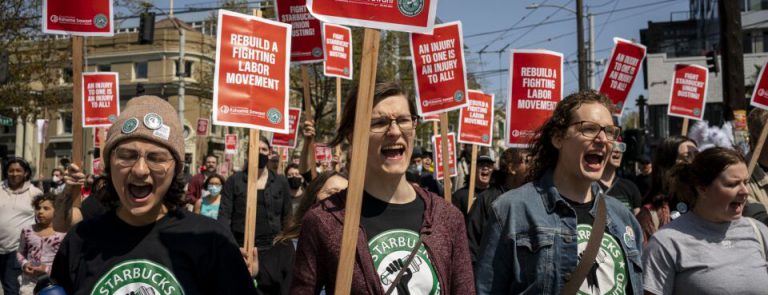
On Wednesday, as reported by Michelle and explained by Ben, an NLRB Administrative Law Judge ruled against Starbucks. On Wednesday morning, Starbucks Workers United released an open letter signed by corporate employees and managers, expressing disappointment with the company’s in-person work mandates and anti-union efforts. The employees condemned Starbucks for “tampering with the federal right of store partners to have fair elections, free from fear, coercion, and intimidation,” and urged Starbucks to commit to being neutral towards unionization efforts. The short letter was signed by forty-four employees. A year ago, Bloomberg reported that the anti-union campaign had led to corporate employees losing faith in the company. The fact that employees signed the letter raises the possibility of corporate employees unionizing.
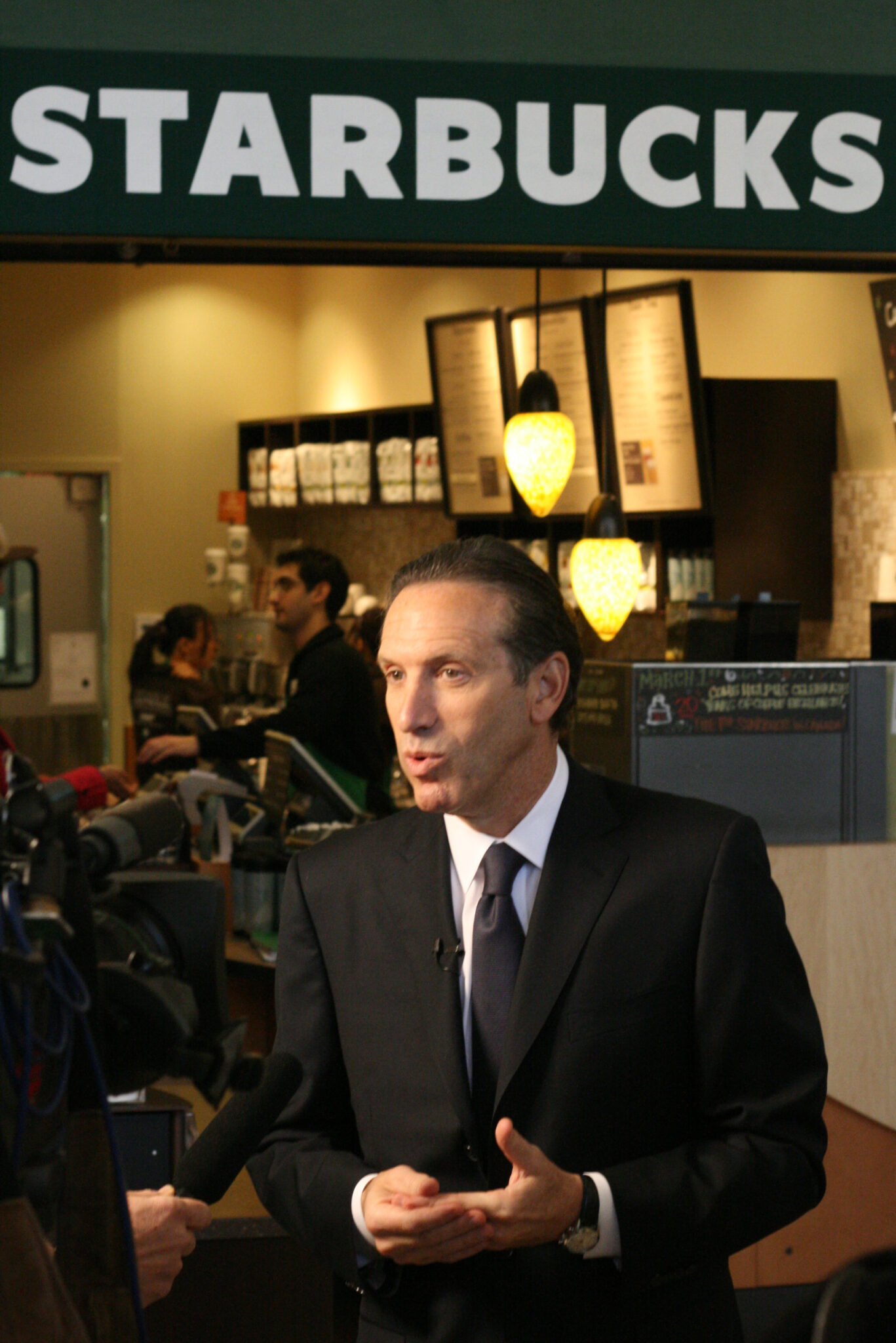
Senator Bernie Sanders announced—also on Wednesday—that the Senate Health, Education, Labor and Pensions (HELP) Committee will vote on March 8th on issuing a subpoena to Starbucks CEO Howard Schultz. Senator Sanders condemned the company’s violation of labor law, and claimed that Schultz has been evading oversight attempts for close to a year. On Thursday, in a letter to the top Democrat (Sen. Sanders) and Republican (Sen. Cassidy) on the HELP Committee, Starbucks responded that they are “shocked and deeply concerned” that the Committee rejected the company’s offer for the Executive VP to testify on the company’s behalf instead of Schultz. The letter argued that “Schultz is not the right witness for the hearing,” because he is an interim CEO, plans to step down this month, and delegated decision-making on union issues. Senator Sanders responded that he is also “shocked and deeply concerned” by the CEO’s continued defiance of oversight efforts.
Amid these developments, Starbucks tapped Shelly Ranus, formerly an assistant general counsel for brand protection, to serve as the acting chief ethics and compliance officer. Tyson Avery served in the role for three years before departing last month.


Daily News & Commentary
Start your day with our roundup of the latest labor developments. See all
September 16
Trump nominates Catherine Eschbach as EEOC general counsel; NLRB declines to resolve union work-assignment dispute; Allina Health physicians begin four-day strike.
September 15
Documents reveal the inner workings of Amazon's union avoidance program; Washington state public sector unions reach tentative deals amid a difficult bargaining cycle; hundreds of Nevada Culinary Union members protest their union's health care changes.
September 14
NCAA and Big Ten file motion to dismiss in former star player's NIL suit; Seventh Circuit rules against former postal worker in discrimination suit.
September 13
Documents released on the 25th anniversary of the 9/11 attacks show that city officials encouraged workers to return to Ground Zero despite knowing the risks of asbestos exposure, and new polls demonstrate continued widespread support for labor unions.
September 10
Amazon workers allege pregnancy discrimination; federal unions challenge USDA reorganization; NYC warns of silicosis risks.
September 9
Wynn Las Vegas employees allege anti-union retaliation; Amazon faces a class action over pregnancy accommodations; H-1B demand plunges following a six-figure visa fee.