
Jason Vazquez is a staff attorney at the International Brotherhood of Teamsters. He graduated from Harvard Law School in 2023. His writing on this blog reflects his personal views and should not be attributed to the Teamsters.
A bipartisan Senate bill unveiled on Monday, the “Slave-Free Business Certification Act,” aims to eliminate forced labor overseas by requiring that transnational corporations uncover and disclose its existence in their supply chains. The legislation, sponsored by Senators Josh Hawley (R-MO) and Kristen Gillibrand (D-NY), would impose robust damage awards on firms that fail to do so. While the bill does not specifically refer to China, its reintroduction appears to have been inspired by allegations, recently surfaced, that the country relied on forced labor in staging the Winter Olympics.
The bill is unlikely to attract the necessary support to overcome a Senate filibuster. Hawley — an architect behind the push to rebrand the GOP as a populist protector of the proletariat — introduced a similar measure in 2020, which was swiftly disappeared into the congressional abyss that has swallowed generations of progressive legislative efforts. And even if enacted, the disclosure regime the bill envisions is unlikely to meaningfully curb slave labor in global supply chains.
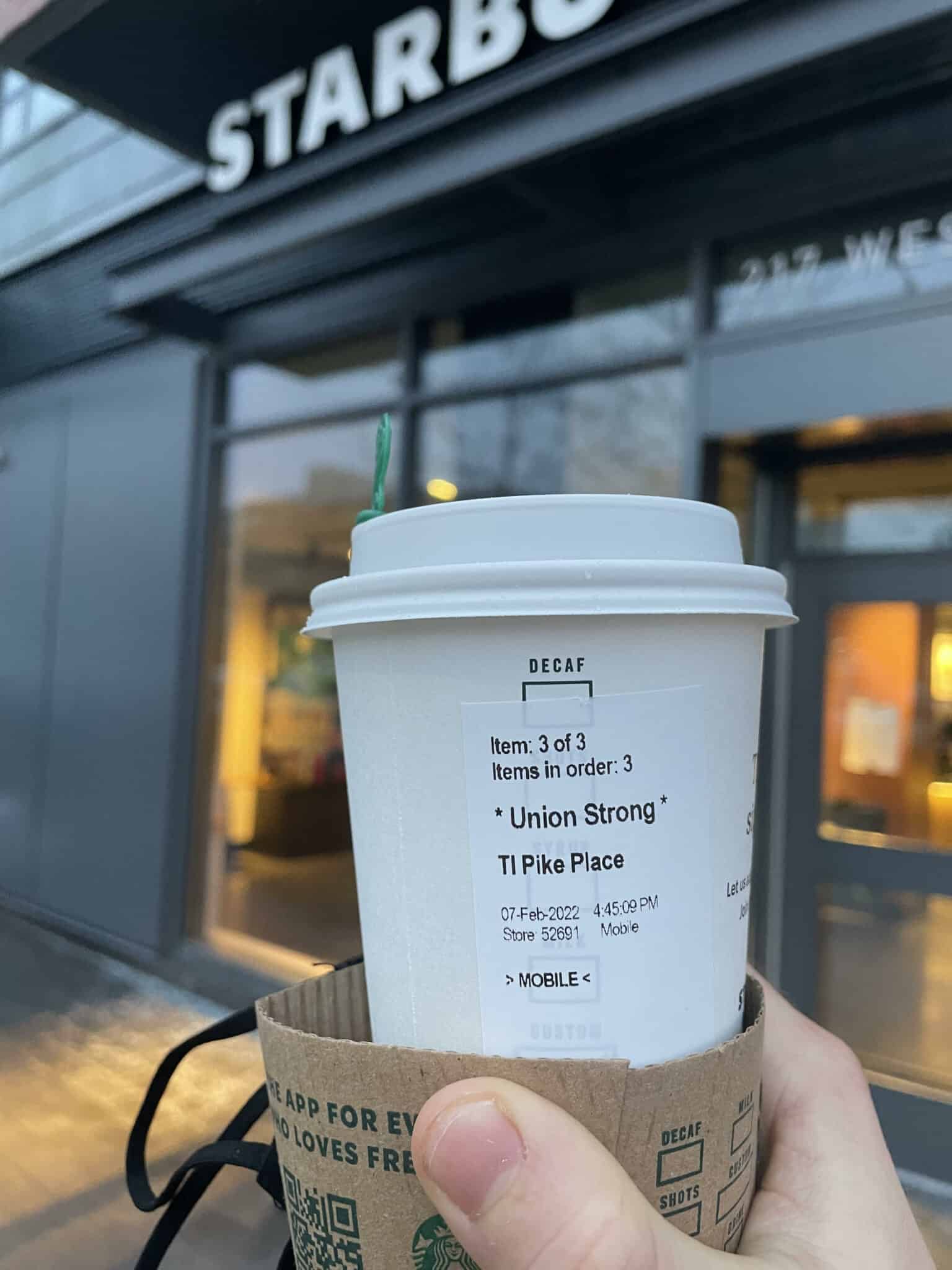
In Starbucks news, the company continues to deploy unlawful tactics in its escalating efforts to suppress the organizing activity spreading through its cafes across the country. On Tuesday the company allegedly discharged several members of a recently organized Memphis store’s bargaining committee, claiming they had violated safety and security protocols. Predictably, the claim appears to be pretextual. One of the employees, a shift supervisor, insists she had never seen enforced the protocols enforced. In fact, she says she didn’t even know they existed.
Stepping back, it is kind of striking the company persists in so flagrantly violating its employees’ basic Section 7 rights, even in the face of sustained mainstream media attention. The high visibility of this defiance demonstrates the incapacity of the existing regime to protect organizing and enable collective bargaining. It underscores the urgent need for statutory reform.





Daily News & Commentary
Start your day with our roundup of the latest labor developments. See all
October 2
Gov. Newsom signs bill regulating AI in workplace; federal judge blocks Trump's $100,000 H-1B visa fee.
October 1
Senate confirms Keith Sonderling as Labor Secretary; Amazon warehouse workers launch an unfair labor practice strike.
September 30
Harvard grad union wins in First Circuit; AI data trainers initiate misclassification suits; Trader Joe’s found liable under ERISA.
September 29
Unions, AI companies, and private equity firms form a new coalition to shape data center policies; unions express support for the Paramount-Warner Bros. merger.
September 28
The Protect College Sports Act nears passage in the Senate; San Francisco municipal workers agree to contract extensions.
September 27
The Trump Administration reaches a settlement with federal unions on reduction in force actions; the United Auto Workers file an en banc petition seeking review of a Second Circuit decision regarding labor arbitrations.