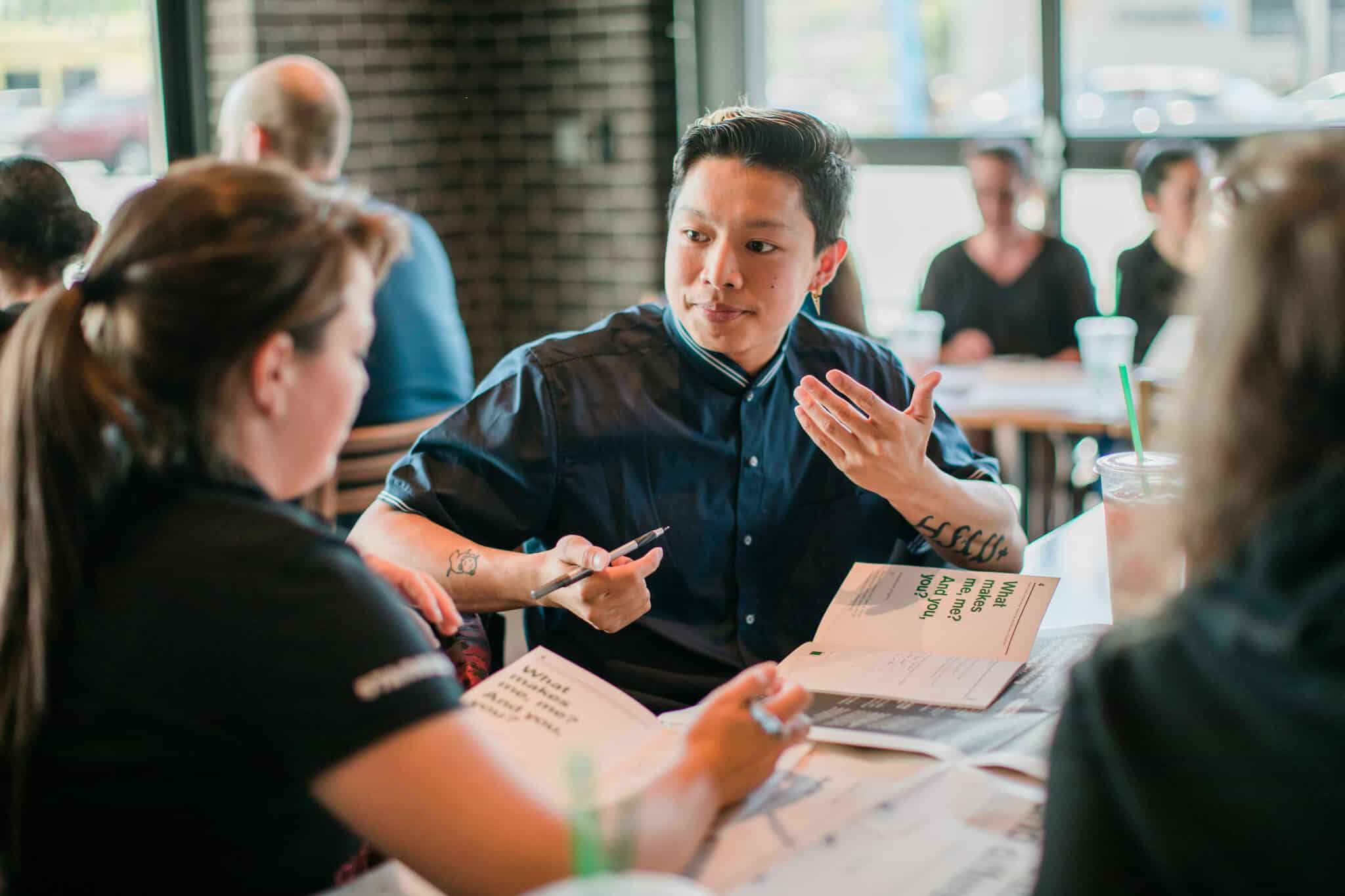

Zachary Boullt is a student at Harvard Law School.
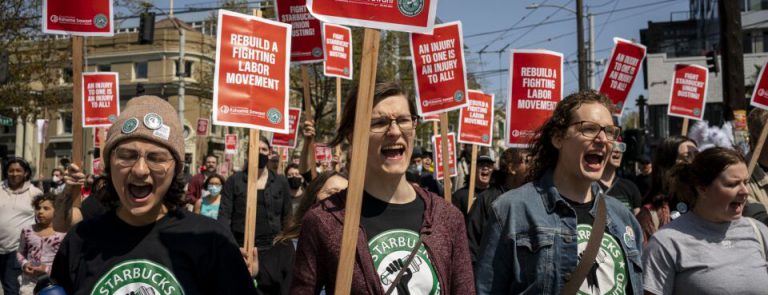
Following the first successful unionization of a Starbucks store location, workers at a Starbucks store in Seattle, the home of Starbucks’s headquarters, filed a petition for a union election to be held on January 10. The workers leading the unionization drive at the Broadway and East Denny Way location in Capitol Hill have stated that they “see unionizing as a fundamental and necessary way to participate in Starbucks and its future as partners.” The employees wrote in a letter to Starbucks’s CEO that, as opposed to the workers targeting “specific policies, events, or changes,” they are focusing on “a commitment to growing the company and the quality of [their] work.” Starbucks has not responded to requests for comment.
The Wall Street Journal has identified the growing popularity of wage increases that are tied to inflation. Cost-of-living-adjustments, or COLAs, were included in the new Deere & Co. contract and a proposed deal made at Kellogg Co. Several states are also tying minimum raise increases to increases in the cost of living. Wage raises tied to inflation used to be popular 40 to 50 years ago when inflation was high, and uncertainty regarding future inflation and increases in cost-of-living without commiserate increases in wages are refueling their use.
Jennifer Abruzzo, the NLRB’s General Counsel, released a memo recommending that the NLRB loosen the secondary picketing standard. Abruzzo in her memo stated that the NLRB’s current broad ban on secondary picketing may violate the First Amendment’s right to assembly. She wants the Board to draw a distinction between secondary picketing and unlawful coercion, which would give unions greater freedom to picket at companies associated with the employer, such as suppliers and distributors. The memo was tied to a Ninth Circuit case on remand to the Board where the then-Republican majority Board had found that some janitors had illegally picketed outside a building at their workplace.



Daily News & Commentary
Start your day with our roundup of the latest labor developments. See all
October 7
DOL scraps plan to remove decades-old wage-and-hour guidance from federal regulations; New York enacts personnel records access law; Starbucks loses bid to dismiss Workers United trademark suit.
October 6
Protect College Sports Act dampens athlete unionization outlook; Stanford RA union decides to withdraw petition
October 5
Delaware bans captive audience meetings; EEOC settles remote work national origin discrimination claim; First Circuit stays enforcement order in VA's dispute with AFGE.
October 4
Boston nurses announce open-ended strike; federal judge restores federal prison workers' union protections; St. Louis workers form the first movie theater union in Missouri.
October 2
Gov. Newsom signs bill regulating AI in workplace; federal judge blocks Trump's $100,000 H-1B visa fee.
October 1
Senate confirms Keith Sonderling as Labor Secretary; Amazon warehouse workers launch an unfair labor practice strike.