Zachary Boullt is a student at Harvard Law School.
In response to the University of Michigan’s Graduate Employees’ Organization voting to extend their strike by five days, the University of Michigan has filed a request for a temporary restraining order and preliminary injunction against the strike. The GEO has been on strike since September 8 and has published a list of demands for issues related to COVID-19 and anti-policing. The strike extension, which passed with 80% of the vote, is partially tied to the university’s recent proposal not addressing the policing demands. The university has cited its desire for classes to continue while the union and school are negotiating as its reasons for filing the injunction request. Some remote courses have been fully shut down, with students in some classes unable to access any course content. The GEO has called for undergraduates to show support by not attending class. The university has condemned the strike as violating the contract with the GEO and has warned that the strike violates a state law forbidding public employees from striking.
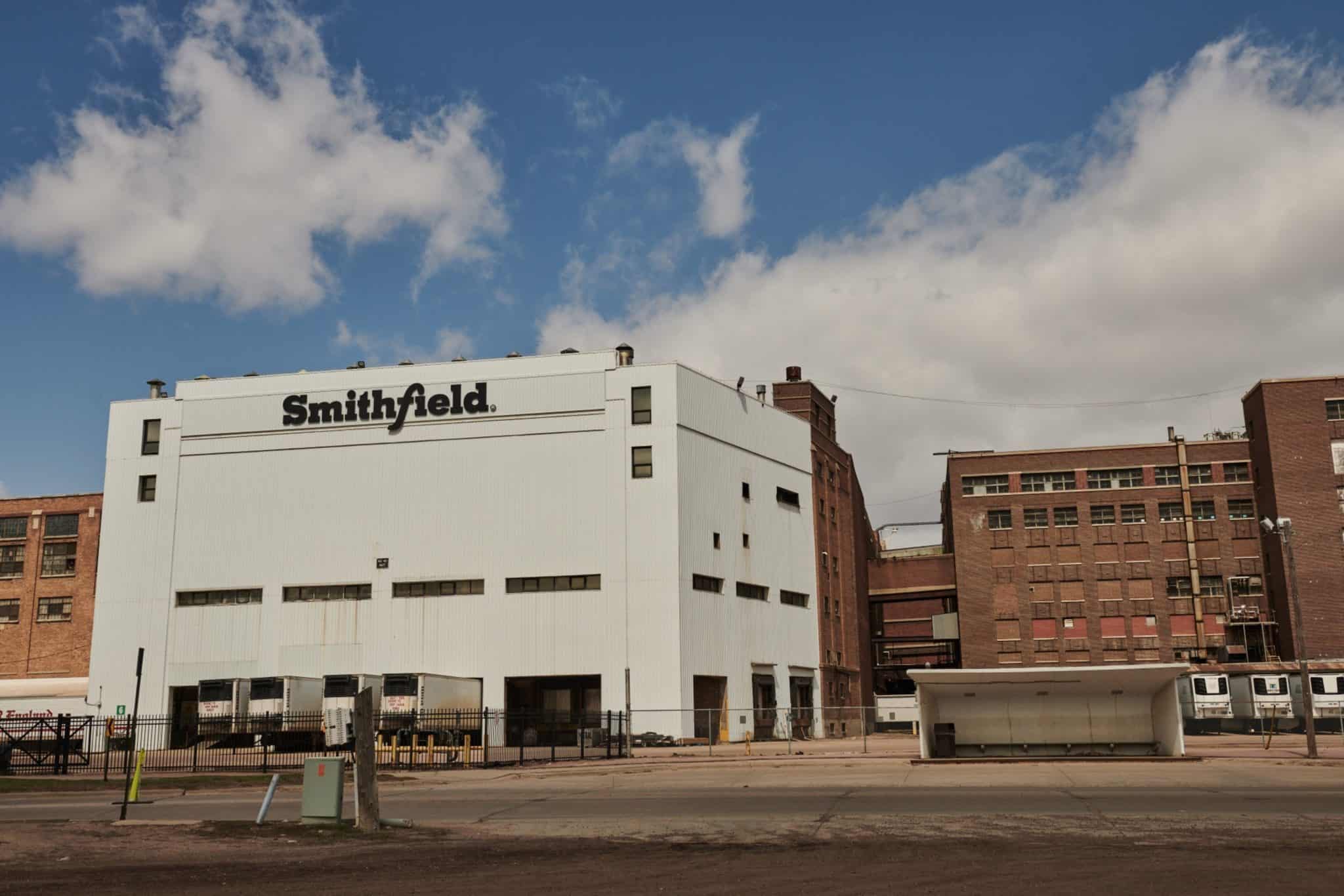
OSHA has come under fire for only issuing small fines to two food processing facilities that failed to create COVID-safe working environments. Between the two plants, Smithfield Foods and JBS USA, over 1500 workers tested positive for the virus, and 10 died. OSHA cited each plant for one “serious” violation and issued proposed fines of $13,494 and $15,615. OSHA could have issued multiple citations with much steeper penalties in the six-figures range and classified the violations as willful. OSHA’s choice of issuing comparatively minuscule fines have been criticized by a former Obama administration OSHA executive, representatives of the United Food and Commercial Workers International Union, and Senator Elizabeth Warren.
The U.S. Department of Labor has proposed a rule that would require businesses using government contractors to annually certify with the DOL that they have a workplace affirmative action program. Businesses with federal contractors are already required to certify that such a program exists within 120 days of entering into a federal contract, but these certifications have been filed with the System for Award Management, not the Department of Labor. The DOL proposed the rule amidst findings from the Government Accountability Office that the programs were not being created or certified as intended. The rule would aid the DOL in enforcement of the creation of the affirmative action programs. The rule has been praised by some stakeholders for allowing for more routine checks and data collection, but criticized by others for falling short of the GAO’s recommendations.
The Colorado Department of Labor and Employment has begun the rulemaking process for its minimum wage increase set for January 1, 2021. The increase is due to a 2006 ballot measure that ties minimum wage increases to inflation. The minimum wage will increase from $12 to $12.32. Tipped wages will also increase to $9.30 an hour. Colorado is the only state not on the east or west coast to have a minimum wage of $12 or greater.

Daily News & Commentary
Start your day with our roundup of the latest labor developments. See all
October 7
DOL scraps plan to remove decades-old wage-and-hour guidance from federal regulations; New York enacts personnel records access law; Starbucks loses bid to dismiss Workers United trademark suit.
October 6
Protect College Sports Act dampens athlete unionization outlook; Stanford RA union decides to withdraw petition
October 5
Delaware bans captive audience meetings; EEOC settles remote work national origin discrimination claim; First Circuit stays enforcement order in VA's dispute with AFGE.
October 4
Boston nurses announce open-ended strike; federal judge restores federal prison workers' union protections; St. Louis workers form the first movie theater union in Missouri.
October 2
Gov. Newsom signs bill regulating AI in workplace; federal judge blocks Trump's $100,000 H-1B visa fee.
October 1
Senate confirms Keith Sonderling as Labor Secretary; Amazon warehouse workers launch an unfair labor practice strike.