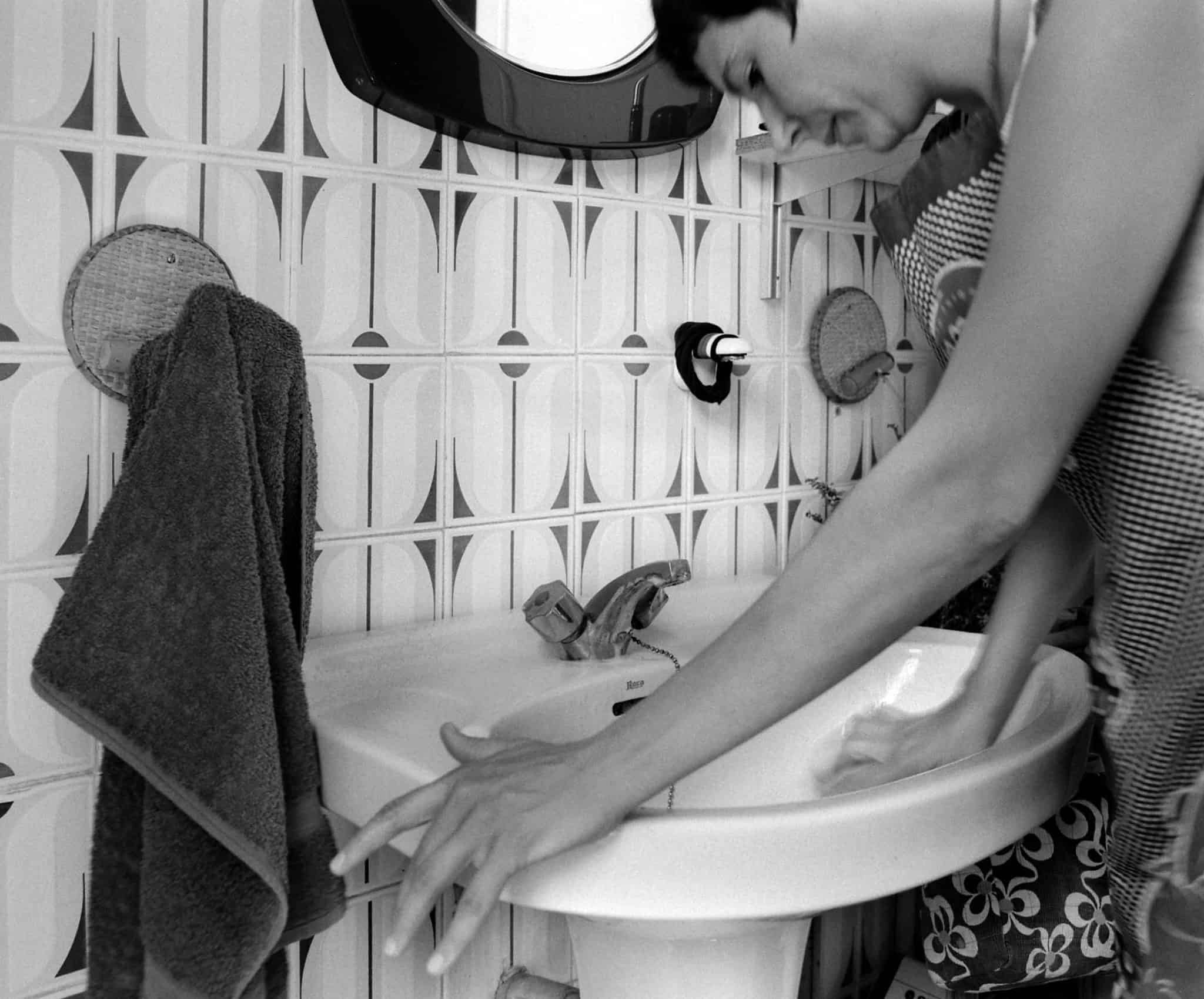

An op-ed in the New York Times reports that the value of women’s unpaid labor across the world last year was $10.9 trillion. This estimate comes from a recent report by Oxfam, which calculates how much women would have made had they been paid the minimum wage in their country of residence for time spent on routine shopping for necessary household goods, child care, tending to the elderly and other household or non-household members, and other unpaid activities related to household maintenance. The value of women’s unpaid labor, the report notes, is more than the combined revenue of the 50 largest Fortune 500 companies. In the United States, where women perform an average of four hours of unpaid work per day, the value of women’s unpaid labor last year was $1.5 trillion. Men in the United States only perform two and a half hours of unpaid work per day.
The Times also reports on the evolution of the labor market for doctoral students, and its current bleak state. In 1995, approximately half of people employed teaching college had tenure or were on track to get it. Today, most people teaching college are adjunct professors, part-time faculty, or both. Many of those people earn only a few thousand dollars per course, with no health insurance or retirement benefits. Twenty-five percent of part-time faculty receive some form of public assistance. This change has been driven by an increase in the number of Ph.D.s awarded and a decrease in the number of college students. This imbalance in supply and demand drives down wages for adjunct professors. Tenured professors, however, have likely benefitted—when adjunct professors are willing to work for less, universities can hire more of them to teach classes and free up time for tenured faculty to conduct research.
On Thursday, the Department of Labor announced a new rule requiring labor organizations with total annual receipts of $250,000 to file annual financial reports concerning their trusts. In its news release announcing the rule, the Department noted the recent convictions of UAW and Fiat Chrysler officials for embezzling union funds, and asserted that the embezzlement would have been caught sooner had the rule been in place.
Just hours after the Department of Labor announced its new rule, federal prosecutors announced embezzlement charges against former UAW president Gary Jones. Jones is accused of misusing over $1 million in union funds for meals, golf outings, cigars, clothing, and other personal purchases. In a news conference in Detroit, Matthew Schneider, the US Attorney for the Eastern District of Michigan and the lead prosecutor on the case, hinted at the possibility of a federal takeover of the UAW, saying that federal oversight could be a “good model here.”





Daily News & Commentary
Start your day with our roundup of the latest labor developments. See all
October 19
FDA reverses course on policy prohibiting off-duty union activity; FAA and NATCA reach deal to secure pay increase for air traffic controllers.
October 18
Federal judge again halts cancellation of the Bureau of Prisons’ CBA; tabletop gaming workers face roadblocks in union recognition.
October 16
Department of Labor reduces wage-and-hour enforcement at unionized workplaces; Fain's victory poses question of federal monitor's extension.
October 15
New reporting examines the rollback of child labor protections; California tries to block a strike; NLRB charges Wisconsin mental health provider with firing workers during union drive.
October 14
Eleventh Circuit overturns ERISA exhaustion rule; DHS finalizes removal of automatic renewal for work permits; AFGE challenges SSA over flexible scheduling policy.
October 13
Chicago hotel workers remain on strike; a coalition of Democratic states sues the Labor Department over canceled unemployment insurance grants; the Federal Labor Relations Authority establishes a new mediation framework for federal worker disputes.