Jon Levitan is a student at Harvard Law School and a member of the Labor and Employment Lab.
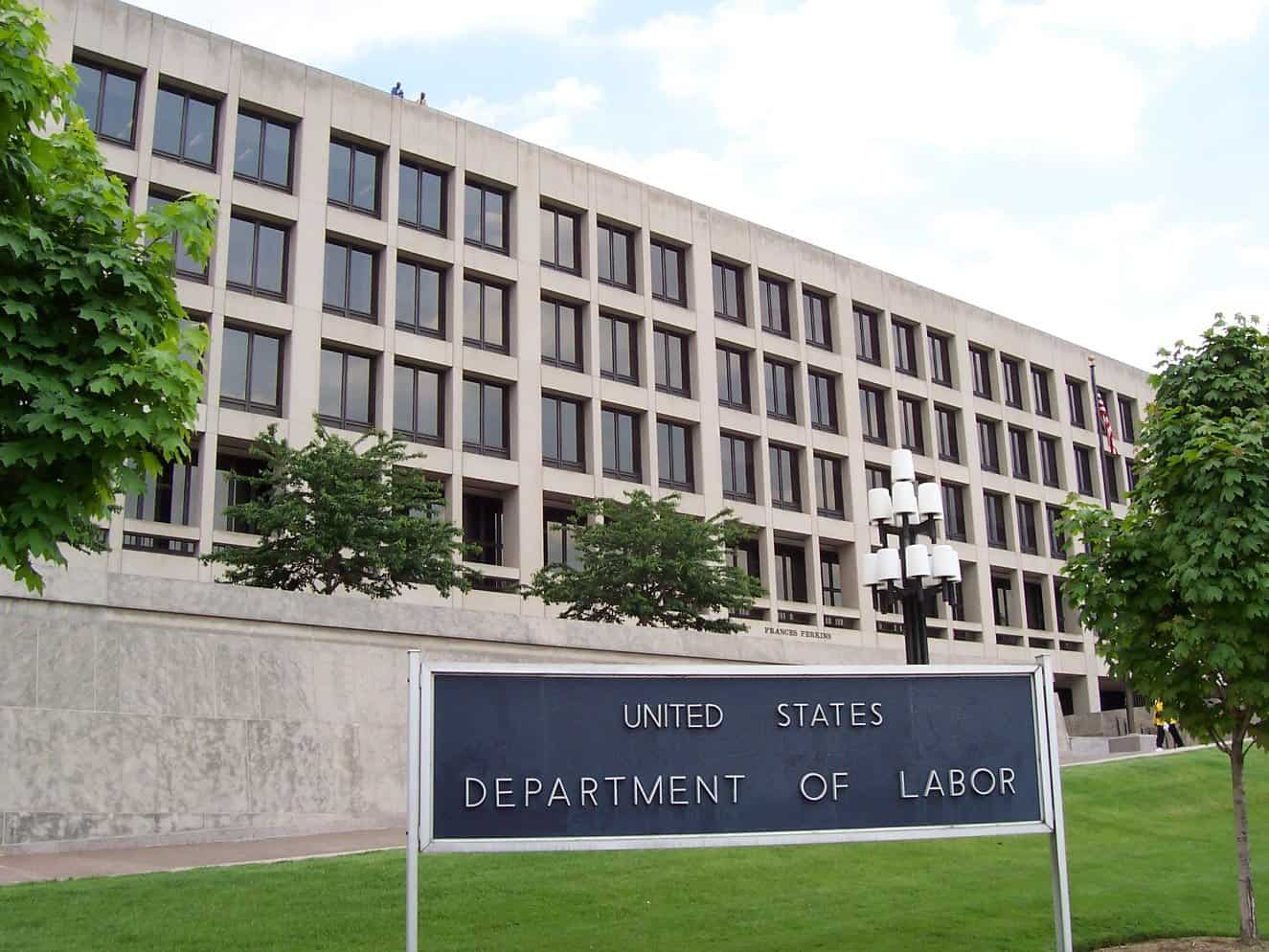
In a budget request released yesterday, the Trump Administration proposed to slash Department of Labor spending by 11% in fiscal year 2021. The National Labor Relations Board’s budget would be reduced by 10% and the Equal Employment Opportunity Commission’s budget would fall by 7%. One agency that would get increased funds? The Office of Labor-Management Standards, which runs oversight of unions. It would see a 16% uptick in its budget. That office has worker centers in its sights; it recently confirmed an investigation into whether or not the Workers Defense Fund, a prominent worker center in Texas, should be classified as a union. A determination that the Workers Defense Fund is a union would, among other things, subject the group to financial disclosure requirements.
The Oscar for Best Documentary Feature went to American Factory. Produced by Michelle and Barack Obama’s production company, the direct-to-Netflix film depicted an unsuccessful union organizing drive at a once-shuttered Dayton, Ohio glass manufacturing that was purchased by the Chinese company Fuyao. Multiple violations of the National Labor Relations Act by Fuyao executives were captured by the filmmakers. The President of Fuyao Glass America Jeff Liu at one point tells Fuyao Chairman Cho Tak Wong that union organizers were fired, and Cho later threatens to close the plant if workers vote to form a union. Cho also appeared to violate Title VII’s prohibition on discrimination based on national origin in the film when he says, “American workers are not efficient, and output is low.”
Sara Nelson, the president of the Association of Flight Attendants-CWA, was profiled in The Cut’s “How I Get it Done” series. She spoke about organizing for 18 hours a day during the 2005 United Airlines bankruptcy, a willingness to speak to any group that invites her, and her training as an actor. Her self-care routine: ice-skating or hiking with her 10-year-old son, going to the movies, and the occasional facial – “[p]eople expect me to look put together, so having a facial every so often doesn’t hurt,” she told The Cut.
Jared wrote this weekend that the effort by Uber and Postmates to halt enforcement of AB5 was likely to be unsuccessful following a hearing before U.S. District Judge Dolly Gee. As OnLabor senior contributor Charlotte Garden predicted she would, Judge Gee denied the request for a preliminary injunction. Faiz Siddiqui of The Washington Post notes that Judge Gee used the companies’ own contention that drivers would still be classified as independent contractors under the new law as one reason for denying their request.
Public defenders in Philadelphia have voted to unionize. In a Monday election, 142 attorneys voted to be represented by the Defenders Union, in partnership with the United Auto Workers, compared with 65 votes against unionization. The National Labor Relations Board election came after management, the Defender Association of Philadelphia, declined in January to voluntarily recognize the union.




Daily News & Commentary
Start your day with our roundup of the latest labor developments. See all
October 14
Eleventh Circuit overturns ERISA exhaustion rule; DHS finalizes removal of automatic renewal for work permits; AFGE challenges SSA over flexible scheduling policy.
October 13
Chicago hotel workers remain on strike; a coalition of Democratic states sues the Labor Department over canceled unemployment insurance grants; the Federal Labor Relations Authority establishes a new mediation framework for federal worker disputes.
October 12
Workers at the Obama Foundation begin organizing; MLB submits its latest collective bargaining agreement proposal; Brigham & Women's nurses postpone strike.
October 11
UAW President Shawn Fain succeeds in his reelection bid, and Spanish unions call for a general strike.
October 9
DHS proposes a $100k fee for the foreign grad employment program; Trump suspends tech company access to green card program; and private equity perpetuates poor working conditions for home care workers.
October 8
NLRB judge finds UPS unlawfully restricted union insignia; Harvard graduate workers authorize second strike; OSHA orders Union Pacific to pay $300,000 in damages in whistleblower case.