

John Fry is a student at Harvard Law School.
NLRB Member Gwynne Wilcox may be experiencing whiplash right now. President Trump attempted to terminate her shortly after his inauguration in January. On March 6, the District Court for the District of Columbia ordered that Wilcox could retake her seat. On March 28, a D.C. Circuit panel stayed the district court’s order, keeping Wilcox at home pending the case’s full consideration. On April 7, the full D.C. Circuit reversed the panel, handing Wilcox another victory. In a terse order, a majority of the circuit noted that the Supreme Court has declined to overrule Humphrey’s Executor and that lower courts must “leav[e] to the Supreme Court the prerogative of overruling its own decisions.”
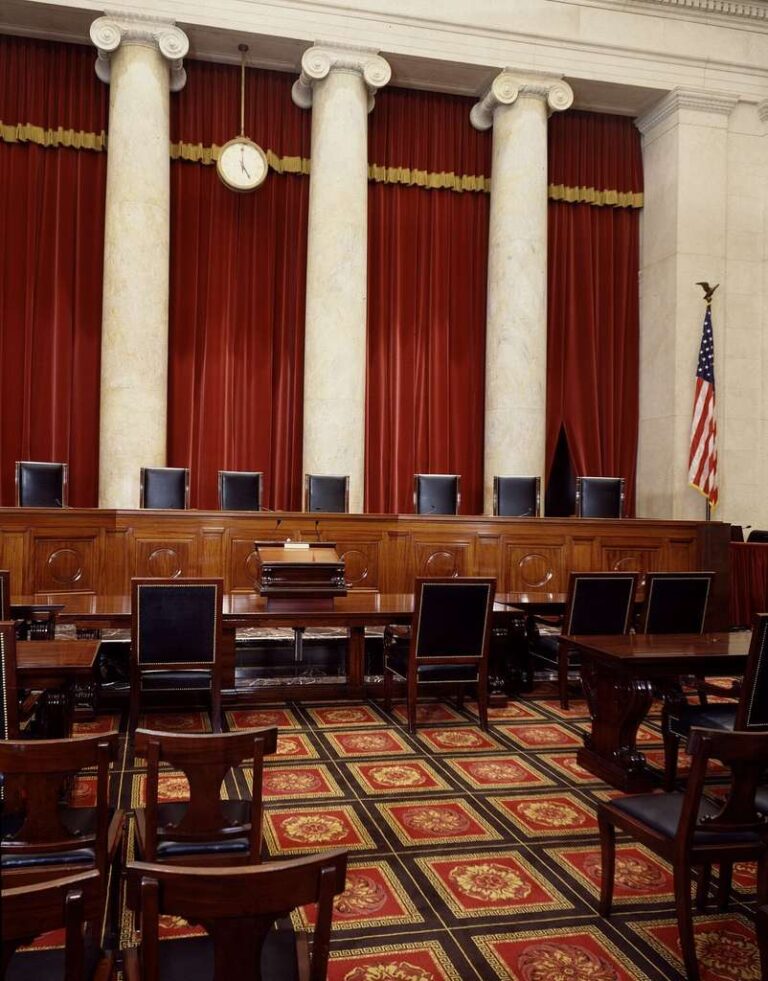
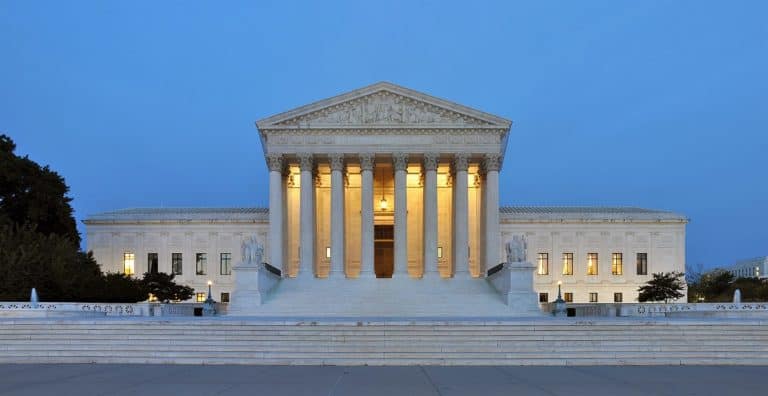
The Court may be exercising that prerogative. On Wednesday afternoon, it stayed the D.C. Circuit’s decision, meaning that Wilcox is once again sidelined for the time being. The Court asked Wilcox to file a response by Tuesday, indicating that the current stay is likely to be a short-term measure while the Court decides how to proceed with the case. This approach is in keeping with what appears to be a broader attempt by the Court to avoid showdowns with the Trump administration, delaying controversial cases on technical grounds and sending them back to lower courts when possible. However, given the relative legal simplicity of Wilcox’s case, a full ruling from the Court could come soon.





Daily News & Commentary
Start your day with our roundup of the latest labor developments. See all
March 4
the NLRB and Ex-Cell-O; top aides to Labor Secretary resign; Attacks on the Federal Mediation and Conciliation Service
March 3
In today’s news and commentary, Texas dismantles their contracting program for minorities, NextEra settles an ERISA lawsuit, and Chipotle beats an age discrimination suit. Texas Acting Comptroller Kelly Hancock is being sued in state court for allegedly unlawfully dismantling the Historically Underutilized Business (HUB) program, a 1990s initiative signed by former Governor George W. Bush […]
March 2
Block lays off over 4,000 workers; H-1B fee data is revealed.
March 1
The NLRB officially rescinds the Biden-era standard for determining joint-employer status; the DOL proposes a rule that would rescind the Biden-era standard for determining independent contractor status; and Walmart pays $100 million for deceiving delivery drivers regarding wages and tips.
February 27
The Ninth Circuit allows Trump to dismantle certain government unions based on national security concerns; and the DOL set to focus enforcement on firms with “outsized market power.”
February 26
Workplace AI regulations proposed in Michigan; en banc D.C. Circuit hears oral argument in CFPB case; white police officers sue Philadelphia over DEI policy.