
Julia Deng is a student at Harvard Law School.
In today’s News and Commentary: rail workers and freight rail companies reach a tentative agreement, minor league baseball players unionize, the Minnesota nurses’ strike comes to a close, and tensions continue to simmer on the picket line at the longest strike in Starbucks history.
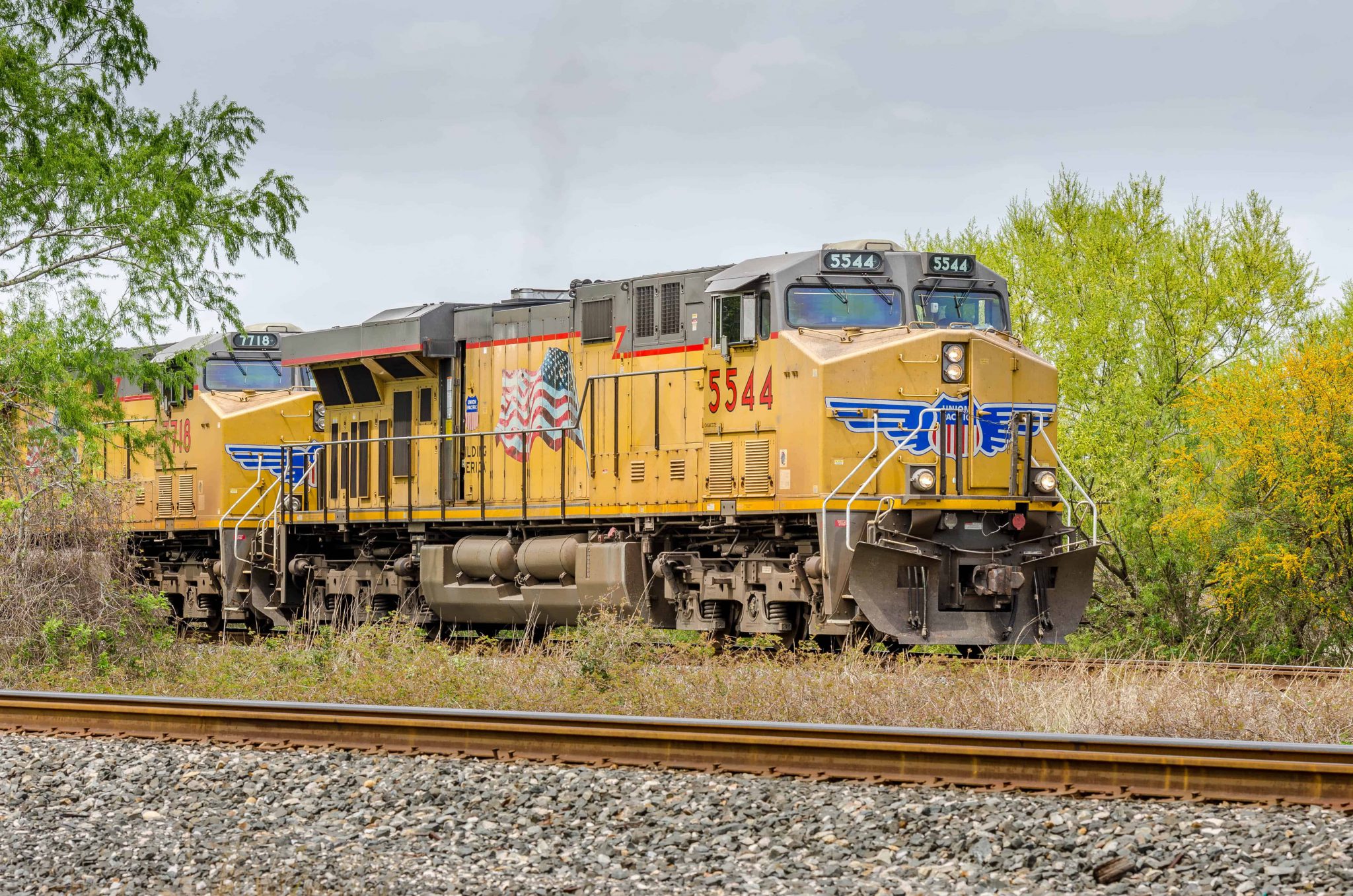
After all-night talks, rail workers’ unions and railroads reached a tentative agreement yesterday to avoid a strike. Coming just hours before a critical deadline, the agreement includes the entitlement to attend medical appointments without penalty, one additional paid day off, wage increases, and freezes to the cost of medical benefits.
In large part, the dispute was driven by grueling work schedules, which led rail workers to miss major life events and postpone important medical care. Workers report that carriers require them to effectively remain on call for days and sometimes weeks at a time, on pain of disciplinary action or firing. Since the 2000s, railroads have been raising prices and cutting labor costs while ceasing to seek larger volumes of traffic. One federal regulatory agency estimates that the carriers have 30 percent fewer employees today than just six years ago. Pandemic-related fluctuations in the volume of freight have added to the strain.
As a result, sick time and scheduling have been major sticking points in negotiations. Two unions representing about half of the 115,000 freight rail workers involved held out for commitments that workers can see a doctor or attend to a personal matter without risking disciplinary action, freezes to monthly health care contributions, and a 24% increase in wages from 2020 to 2024. If and when the agreement is ratified, workers will receive an average payout of $11,000. The wage increase and the payout provision follow the recommendations of Presidential Emergency Board (PEB) No. 250, according to an industry group. With the midterm elections coming up, Biden and the other administration officials have sought to portray themselves as an ally to labor while allaying fears about the economy by preventing a major strike.
The tentative agreement now heads to union members for a ratification vote. If the members vote it down, they may still strike, sending massive impacts rippling through the economy.
Yesterday in Minnesota, 15,000 nurses went back to work after a three-day strike. There are no signs that the two sides are any closer to a resolution over higher pay and control over staffing. Hospitals have offered close to a 10% pay raise over three years, but unions have not dropped their demands for a 30% raise and commitments on staffing and retention policies. This brings a close to the largest private sector nurse strike ever to have taken place in the United States, at least temporarily.
Minor league baseball players have officially unionized. An independent arbitrator found earlier this week that a majority of unit members have submitted authorization cards favoring unionization under the Major League Baseball Players Association. This follows last week’s news that the league and its owners had committed to recognizing the new union without a formal election process.
The longest strike in Starbucks company history continues in Boston on Commonwealth Ave., where picketers have moved from store property to the sidewalk. Starbucks threatened to issue a trespassing notice and pursue other legal processes. After 60 days of demonstrations without safety incidents, union workers say that Starbucks’ allegation that their picket line threatens public safety is pretext. Workers at five locations in Massachusetts walked out in August, but only the striking workers at Commonwealth Ave have kept the store closed for 29 days, spurred by issues like discrimination and disputes over benefits.
Daily News & Commentary
Start your day with our roundup of the latest labor developments. See all
April 5
Trump proposes DOL budget cuts; NLRB rules in favor of cannabis employees; Florida warehouse workers unanimously authorize strike.
April 3
NLRB says Amazon failed to bargain with union; Harvard graduate workers authorize strike, and states move to preempt local employment law.
April 2
Sheridan, Colorado educators go on strike; Maryland graduate student workers are one step closer to collective bargaining rights.
April 1
DOL proposes 401(k) rule; Starbucks investors reelect controversial board members; Washington passes workplace immigration warning requirement.
March 31
In today’s news and commentary, the Supreme Court hears a case about Federal Court jurisdiction over arbitration, a UPS heat inspection lawsuit against OSHA is dismissed, and federal worker unions and NGOs call on the EPA to cease laying off its environmental justice staffers. A majority of Supreme Court justices signaled support for allowing federal […]
March 30
Trump orders payment to TSA agents; NYC doormen look to authorize a strike; and KPMG positions for mass layoffs.