
Leigh Thomas is a student at Harvard Law School.
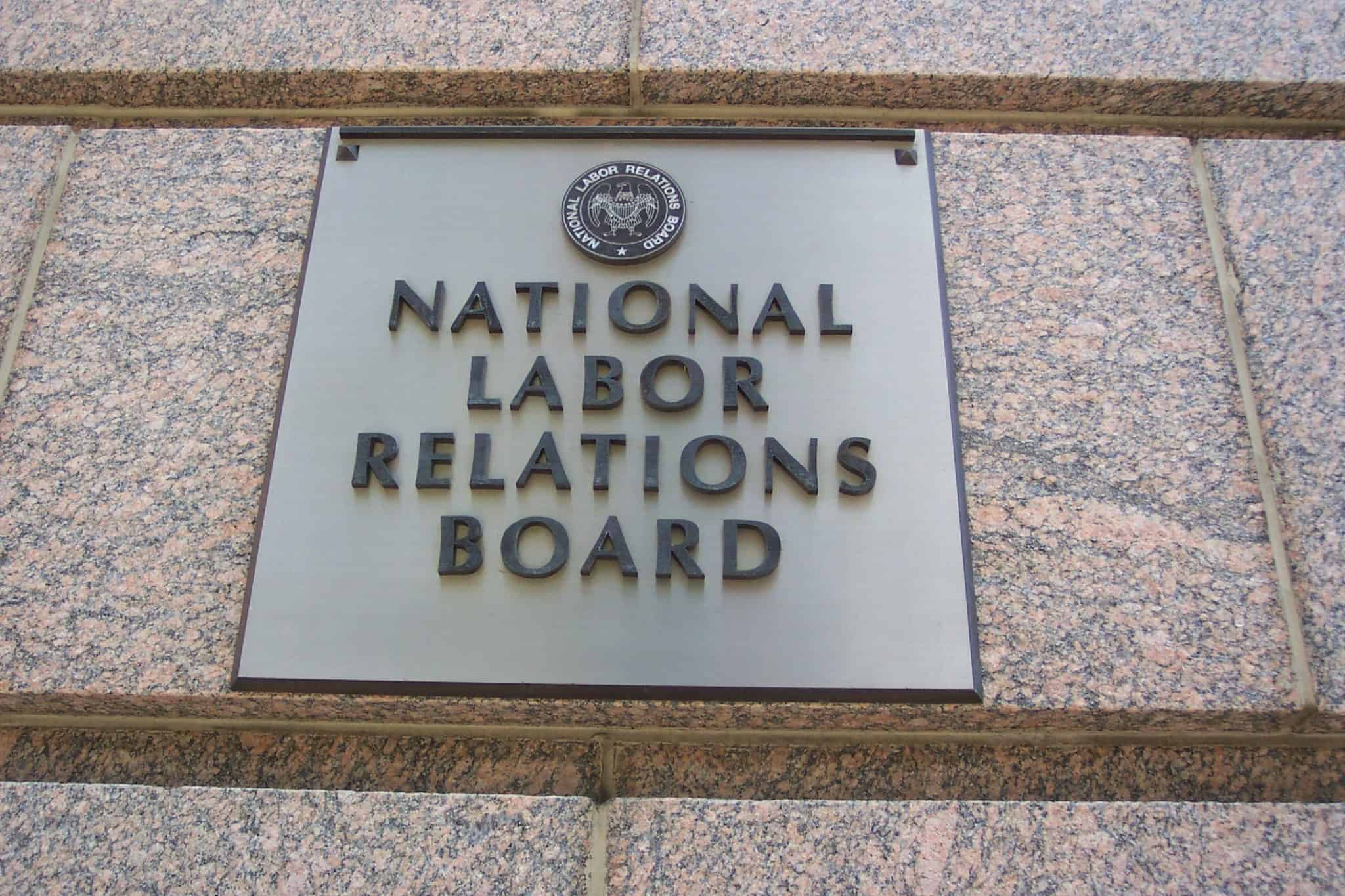
The House Committee on Education and Labor issued a subpoena to the National Labor Relations Board for records about potential conflicts of interest, The Washington Post reports. The Committee is specifically concerned with conflicts involving William Emanuel, an appointee to the board by President Trump. Emanuel previously worked at a law firm hired by McDonald’s to assist its franchisees in countering the Fight for $15 campaign. Lawyers for workers had asked Emanuel to recuse himself from a December NLRB decision approving a settlement between workers and McDonald’s fanchisees. That settlement absolved McDonald’s from direct responsibility for labor violations as a joint employer. The Committee is also concerned with Emanuel’s participation in the Board’s rulemaking process on joint employers. The NLRB has resisted attempts to acquire these documents for more than a year, prompting committee chairman Rep. Robert C. Scott to suggest that the board is covering up malfeasance. NLRB Chairman John Ring called the demands a “made-up controversy solely for political theater.”
The 1st Circuit Court of Appeals upheld an NLRB decision holding that private-sector unions cannot charge non-members for costs related to lobbying. Under a 1988 case Communication Workers v. Beck, bargaining unit members who do not join unions can be charged for costs “reasonably employed to implement or effectuate the duties of the union.” Jeanette Geary, a Rhode Island nurse, filed a charge with the NLRB in 2010 claiming that did not include money for lobbying. The 1st Circuit today affirmed the NLRB’s reliance on the 2014 Supreme Court case Harris v. Quin as drawing a line between collective bargaining and lobbying as activities for private sector unions. The plaintiff in the case is represented by the National Right to Work Legal Defense Foundation, an organization whose mission is “to eliminate coercive union power and compulsory unionism abuses through strategic litigation, public information, and educational programs.” The 1st Circuit decision said that that the issue would ultimately have to be settled by the Supreme Court.
The NLRB released several guidance letters yesterday, including one stating that workers who advocate for police reform or other political causes not directly tied to the workplace are not protected by federal labor law. The letter concerned a worker who testified in support of police reform in his capacity as a Maryland state delegate, and was then fired by United Food and Commercial Workers Local 1994. The letter outlined that the NLRA protects only employee political activity with a nexus to a specifically-identified employment concern. Testifying in support of police reform lacked this nexus, as the worker was acting “in the interest of the community at large.” The guidance letters also addressed two cases of labor issues related to the coronavirus, stating that two employers did not violate the NLRA when they made emergency policy changes without the permission of their workers’ unions.
The head of the New York City’s teacher’s union said in a press conference yesterday that schools are still not sufficiently safe to reopen. This contradicts the statements of Mayor Bill de Blasio, who asserted earlier in the month that 90% of school buildings were ready for students to return. Michael Mulgrew, president of the United Federation of Teachers, identified numerous remaining problems including staffing shortages, building safety concerns, and uncertain attendance. These concerns remain despite the city’s agreement to push back the first day of school until September 21.

Daily News & Commentary
Start your day with our roundup of the latest labor developments. See all
June 16
Hyundai workers approach strike; NTEU sues the IRS for First Amendment violation; former federal employees run for Congress in Trump pushback
June 15
Apple wins summary judgment on FLSA and state law worker claims; Werner truckers reach $18 million settlement; California court uphold finding that Tesla yard hostlers are exempt from the FAA.
June 14
Chocolate Workers union ratifies agreement with Hershey Entertainment & Resorts; Minnesota Twins’ concession workers announce plans to strike.
June 12
Third Republican NLRB member sails through appointment hearings; UAW secures symbolic deal with General Motors supplier.
June 11
DC Circuit enforces an NLRB bargaining order; House passes a bill to speed up negotiating between employers and unions.
June 10
SoFi Stadium workers narrowly avoid World Cup strike; Amazon's NLRB challenge to remain in Fifth Circuit; House passes strict timeline bill for first union contracts.