
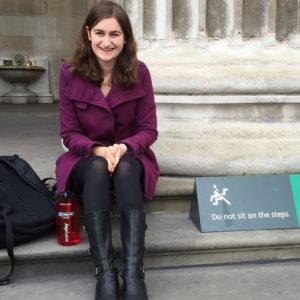
Rachel Sandalow-Ash is a student at Harvard Law School and a member of the Labor and Employment Lab.
Arizona public school teachers have reached an agreement with the state government to end their weeklong strike after the Governor signed a new education funding bill into law. Under the new legislation, certified teachers will receive a 20% raise by 2020, including a 10% raise by 2018; and the state will dedicate an additional $100 million to raise the wages of school support staff. The budget also includes funding for new textbooks and technology as well as upgraded infrastructure to help make up for recession-era cuts. Rank-and-file teachers as well as teachers’ union leaders have expressed both pride in what the #RedForEd movement has accomplished and concern that the legislation will not do enough to restore public education funding in the state. To that end, Arizona teachers are preparing to organize for a ballot initiative that would tax the wealthy to restore school funding to pre-recession levels. In the meantime, teachers return to work today (Friday, May 4).
According to a new poll from the conservative-leaning Rasmussen Reports, nearly half of Americans would support a jobs guarantee program. As previously reported on this blog, Senators Bernie Sander, Cory Booker, and Kirsten Gillibrand have all embraced this policy idea. Vox has a useful explainer on job guarantees here.
Hospital workers at Albany General Hospital, who are members of the Service Employees International Union Local 49, voted to authorize an unfair labor practice strike. Workers have been negotiating with the hospital management over healthcare, wages, and workplace safety since January; but according to the union, management has interfered with workers’ rights to communicate information about their contract. As a result of this vote, the union’s bargaining committee can call for a strike if hospital management continues to interfere with workers’ rights.
Professional mixed martial arts fighter Leslie Smith has filed an NLRB charge claiming that the Ultimate Fighting Championship (UFC) decided not to renew her contract in retaliation for her union organizing activity. Smith also hopes to convince the NLRB that UFC fighters are currently improperly classified as independent contractors and should be classified as employees instead.
In other sports news, Eric Reid, a National Football League (NFL) player who knelt alongside Colin Kaepernick in protest of police brutality, has filed a collusion grievance against the NFL. Even though Reid performed well this past season, he has yet to be re-hired for the next season, “raising questions about whether his decision to protest is now costing him a job.” Kaepernick filed a similar collusion grievance in the fall of 2017, and his case is ongoing; Kaepernick has remained a free agent since March 2017.



Daily News & Commentary
Start your day with our roundup of the latest labor developments. See all
March 27
“Cesar Chavez Day” renamed “Farmworkers Day” in California after investigation finds Chavez engaged in rampant sexual abuse.
March 26
Supreme Court hears oral argument in an FAA case; NLRB rules that Cemex does not impose an enforceable deadline for requesting an election; DOL proposes raising wage standards for H-1B workers.
March 25
UPS rescinded its driver buyout program; California court dismissed a whistleblower retaliation suit against Meta; EEOC announced $15 million settlement to resolve vaccine-related religious discrimination case.
March 24
The WNBPA unanimously votes to ratify the league’s new CBA; NYU professors begin striking; and a district court judge denies the government’s motion to dismiss a case challenging the Trump administration’s mass revocation of international student visas.
March 23
MSPB finds immigration judges removal protections unconstitutional, ICE deployed to airports.
March 22
Resurgence in salting among young activists; Michigan nurses strike; states experiment with policies supporting workers experiencing menopause.