
Sophia is a student at Harvard Law School and a member of the Labor and Employment Lab.
In today’s news and commentary, Columbia University quietly replaces graduate student union labor with non-union adjunct workers; the DC Circuit Court lifts the preliminary injunction on CFPB firings; and Grubhub to pay $24.75M to settle California driver class action.
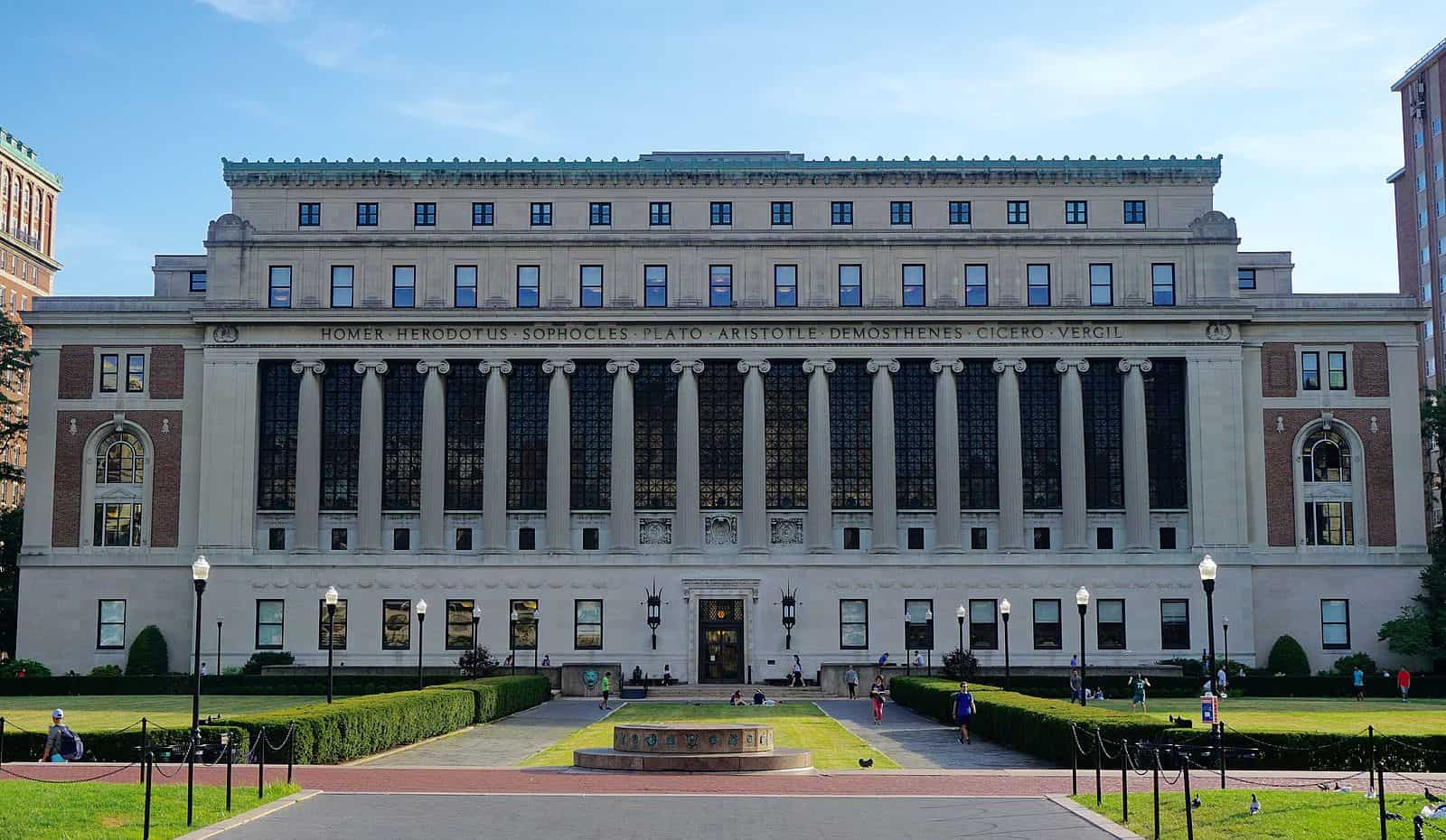
Columbia University has quietly been recruiting non-union adjunct faculty and PhD candidates at other universities to replace the union labor of its own graduate student workers. According to an open letter from Columbia faculty to the university’s leadership, nearly all graduate Instructor of Record positions in the Arts and Sciences have been eliminated. Each year Columbia graduate students apply for these competitive teaching positions in hopes of receiving a year of funding and health insurance. International students are especially keen to secure a position as the role guarantees visa renewal. In reporting by the Columbia Spectator, the University has been actively recruiting non-Columbia lecturers to fill these instructor positions just as the University is amidst contract bargaining with the Student Workers of Columbia – United Auto Workers Local 2710 (SWC-UAW). These positions provide graduate students with financial stability and teaching experience critical to becoming a competitive contender in the academic job market. Although adjunct faculty at Columbia have been organizing with the UAW, the University has not yet recognized the union as their collective bargaining representative.
Today, the US Court of Appeals for the District of Columbia Circuit published their decision in National Treasury Employees Union, et al. v. Vought – the case concerning mass firings at the Consumer Financial Protection Bureau (CFPB). The DC Circuit Court vacated a lower court’s preliminary injunction pausing the Trump administration’s sweeping changes at the CFPB, giving the administration the green light to fire most CFPB employees. In a split decision, the majority held that the district court lacked jurisdiction to consider the claims predicated on loss of employment as the Civil Service Reform Act established a specialized-review scheme. Additionally, the plaintiffs’ claims brought under the Administrative Procedure Act did not properly target a final agency action and therefore failed to raise sufficient questions of unconstitutionality reviewable by the circuit court.
On Wednesday, counsel representing 60,000 California delivery drivers in a class action against Grubhub Inc. filed a motion for preliminary approval of a $24.75 million settlement. The California Labor and Workforce Development Agency would receive $1.5 million of the settlement, counsel for the class would receive $8 million for their attorneys’ fees, and the remainder of the total settlement would be distributed to the drivers. The proposed settlement would bring an end to over a decade of litigation beginning in 2015 when Los Angeles delivery driver Raef Lawson filed suit against Grubhub alleging that the company misclassified its drivers as independent contractors and failed to pay minimum wage and overtime. The suit was brought under California’s Private Attorneys General Act, which authorizes aggrieved employees to file lawsuits on behalf of the state attorney general to recover civil penalties against employers for labor code violations.




Daily News & Commentary
Start your day with our roundup of the latest labor developments. See all
October 25
Dallas Cowboys Cheerleaders unionize; Bureau of Prisons again pushes for union contract cancellation; CSU faculty votes on strike authorization.
October 23
Employers increasingly shift health care costs onto workers and NYC proposes placing restrictions on fully automated customer service.
October 22
SCOTUS declines Wilcox appeal; Penn State research assistants win bargaining rights; SEIU sued over military leave firing.
October 21
DOL withdraws tipped-worker rule; Instacart settles hiring-bias claims; Phillips 66 locks out New Jersey refinery workers.
October 20
Korean unions oppose labor exemption bill; Portland city workers prepare for strike; UPenn grad student union looks to dismiss university filing
October 19
FDA reverses course on policy prohibiting off-duty union activity; FAA and NATCA reach deal to secure pay increase for air traffic controllers.