

Alisha Jarwala is a student at Harvard Law School and a member of the Labor and Employment Lab.
Yesterday, JPMorgan Chase announced a tentative settlement in a class-action case brought by a father who was denied the company’s 16 weeks of parental leave on the grounds that he was not the “primary caregiver.” The company will pay $5 million into a fund to compensate about 5,000 men who were denied parental leave for the same reason. This case is part of a growing number of class actions suits brought by men arguing that parental leave policies discriminate against them: for example, last year, Estee Lauder paid over $1 million to settle a similar case.
New Jersey lawmakers are trying to overhaul the state’s pension system, which is one of the most indebted in the U.S. The Wall Street Journal reports that a new bill would “shift new state workers and teachers . . . into a hybrid retirement plan that combines a pension with something like a 401(k) plan.” New Jersey Senate President Steve Sweeney estimates that this change in model would save the state and local governments $24.5 billion over the next 30 years.
Employers in the District of Columbia have paid over $500,000 in fines for failing to comply with D.C.’s “ban the box” law, according to a new report by the D.C. Office of Human Rights. The law prevents employers from screening out job applicants by asking prospective employees to check a box if they’ve been convicted of a crime. However, the report noted that the number of charges against employers filed by the District has decreased annually, from over 400 in 2015 to fewer than 100 in 2018.
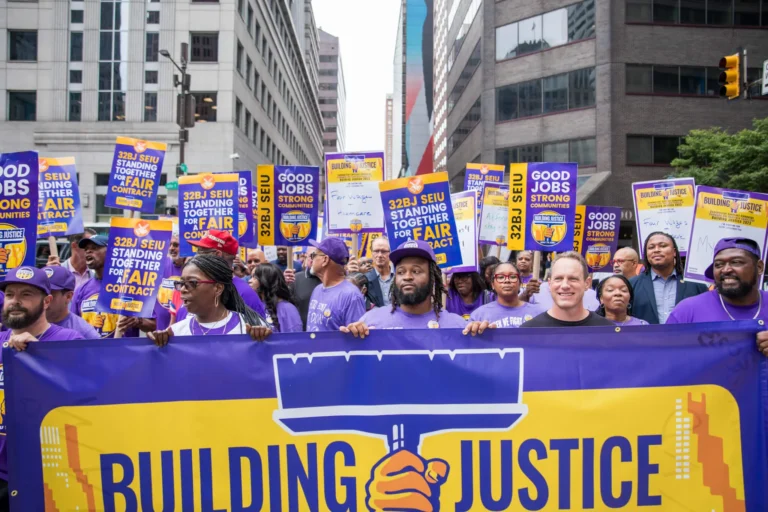
Finally, SEIU staffers have accused their employer of engaging in unfair labor practices, laying the groundwork for an eventual strike if they cannot agree on a new collective bargaining agreement. HuffPost reports that the primary disagreement between staffers and management is over layoff protections—SEIU is willing to maintain them for current staff but wants to get rid of them for new hires, which the staff union views as selling out their future colleagues.



Daily News & Commentary
Start your day with our roundup of the latest labor developments. See all
September 9
Wynn Las Vegas employees allege anti-union retaliation; Amazon faces a class action over pregnancy accommodations; H-1B demand plunges following a six-figure visa fee.
September 8
In today’s News and Commentary, workers and unions across America celebrate Labor Day, California’s SEIU Local 1000 prepares for a strike authorization vote, and New York City creates the Office of Worker Power. On Monday, labor unions and workers gathered in cities across the United States in celebration of Labor Day. Parades and rallies took […]
September 7
Eighth Circuit finds DOL order violates Seventh Amendment; 1,300 workers at Encore Boston Harbor go on strike.
September 6
Encore casino workers strike; President Trump commutes sentence of former Philadelphia IBEW leader; Durham labor activist ends his hunger strike against Amazon.
September 4
NLRB advice memo narrows political protest protections; NLRB asks federal appeals court for deference.
September 3
Seond Circuit rejects a NLRB standard for union insignia in employer dress codes; House Republicans ramp up labor union investigations.