
Jacob Denz is a student at Harvard Law School
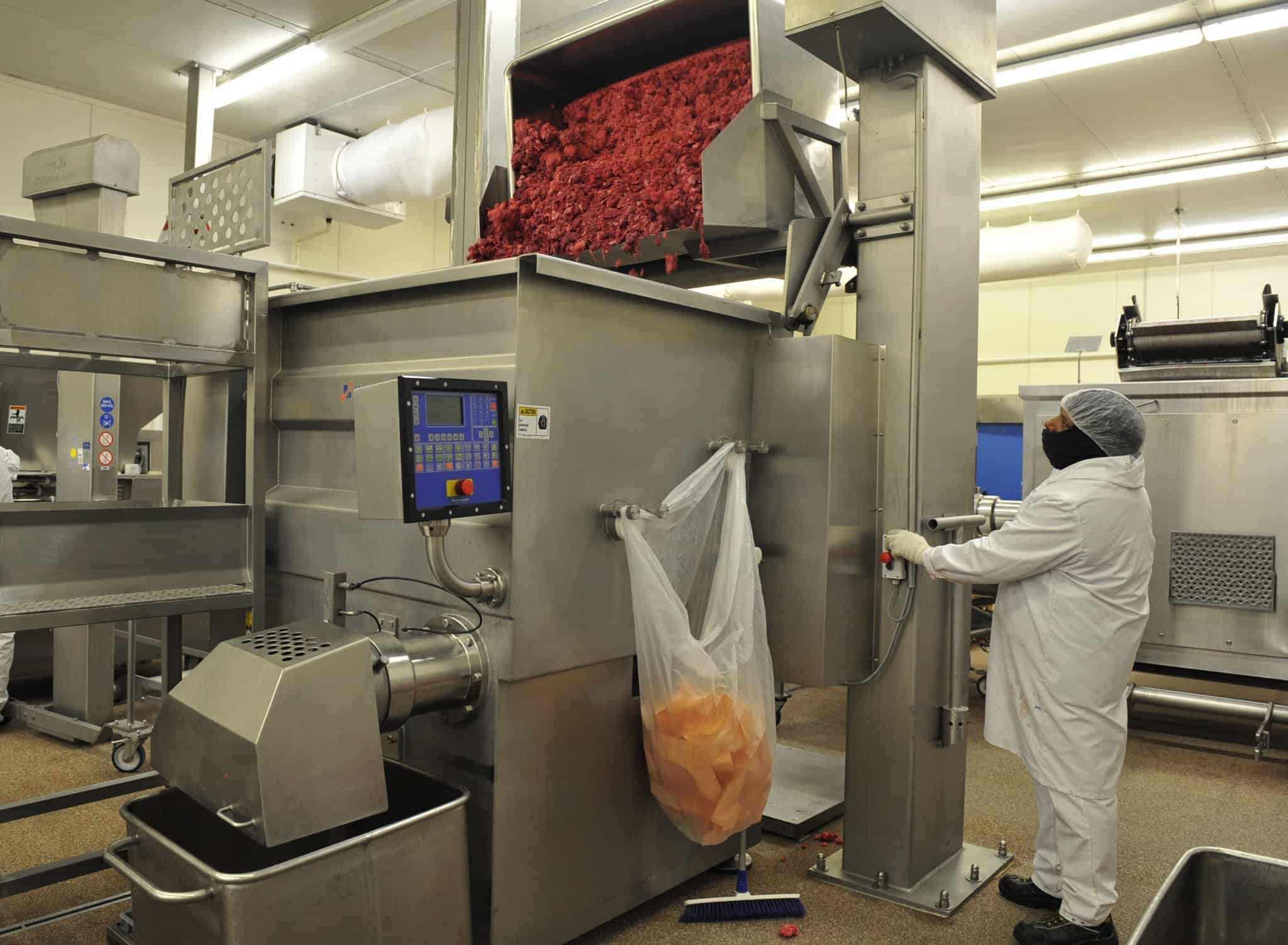
Meat-processing plants are seeking support from President Trump’s Department of Labor (DoL) to avoid employee lawsuits related to COVID-19, the Huffington Post reports. At a preliminary hearing in Kansas City, Missouri, a Smithfield attorney expressed confidence that the DoL would provide “support to employers” in their position that private litigants may not enforce Occupational Safety and Health Administration (OSHA) standards. On April 30, President Trump ordered meat-processing facilities to remain open in spite of over 10,000 meat-processing workers becoming infected with COVID-19, resulting in at least thirty worker deaths. The Kansas City hearing concerned Smithfield’s plant in Milan, Missouri, where an anonymous employee alleged unsafe and inhumane conditions including crowding, lack of social distancing, failure to provide masks before April 16, failure to provide tissues, and punishment of workers who took sick leave or attempted to cover their mouths when they sneezed or coughed. The Democratic attorneys general of Minnesota, North Carolina, and Virginia, all of which have major meat-packing industries, also have not taken any actions so far against plants located there.
But Terri Gerstein argues in The American Prospect that states can and should take the lead in enforcing workplace safety standards given almost total inaction by OSHA. Twenty-two states and territories currently have “state plans” wherein they assume responsibility for enforcing health and safety laws against all employers. But even states that do not have such plans may create airborne disease standards to protect against COVID-19, given the current absence of any federal standard. State attorneys general can also file public-nuisance lawsuits against employers that do not follow safe practices during the COVID-19 pandemic. Finally, states can suspend or deny licenses and permits and cancel contracts with businesses that do not protect their workers.
In the absence of either federal or state enforcement, workers must take safety matters into their own hands. In the retail context, this often creates additional dangers, as the New York Times details. Workers have been injured, threatened, and even killed by customers who refused to wear masks. Employers such as Trader Joe’s have asked customers to wear masks, but failure to do so is not grounds for removal from the store, leaving workers unsupported in their de facto enforcement roles. Retail businesses feeling the crunch of economic downturn are not eager to kick out any potential customers, though companies like Target do assign security guards to remind customers to wear masks in states where this is legally required. Meanwhile, employees who fail to wear masks may face termination.
Though it has all but abdicated workplace safety enforcement, President Trump’s DoL has found time to exempt religious groups from some federal anti-discrimination requirements, Bloomberg Law reports. Labor Secretary Eugene Scalia said religious groups must be given equal consideration with others competing for federal grants. The guidance could prove particularly relevant to the disbursal of grants from the DoL’s Employment and Training Administration. Secretary Scalia’s guidance also laid out a process for religious groups to receive an exemption from federal prohibitions on grant recipients discriminating on the basis of religion.
Over 3,500 scholars around the world have signed a manifesto that appeared in dozens of publications calling for the democratization of work. They note that the COVID-19 crisis has highlighted both the “essential” character of many workers’ contributions and the inhumane prioritization of corporate profits over their needs. The scholars propose two major solutions. First, workers must be given meaningful democratic representation within firms. Second, there must be government jobs guarantees to ensure meaningful work and income for all.
Daily News & Commentary
Start your day with our roundup of the latest labor developments. See all
July 15
U.S. labor productivity climbs at its fastest pace in decades; a federal judge grants a preliminary injunction to anti-abortion groups challenging Michigan’s civil rights law; and Jackson, Mississippi’s bus workers walk off the job.
July 14
DOJ opens investigation of UAW president; LIUNA protests Pfizer building collapse; national park workers unionize
July 13
New York Times files retaliation suit against the EEOC; US government pushes back TPS designation termination for Haiti; federal judge grants preliminary injunction to federal workers seeking reasonable telework accommodations.
July 12
Postal workers demand investigation into Atlanta distribution center conditions following deaths; University of Chicago Press Workers vote to unionize.
July 10
Brigham and Women’s Hospital locks out 4,000 nurses after one-day strike; appeal filed challenging agency-shop agreements.
July 9
The Second Circuit declines to vacate an arbitration award over a nursing union dispute; federal workers sue the Department of Defense for termination of union contracts; New York City announces settlement with companies for violating New York work laws.