
Jason Vazquez is a staff attorney at the International Brotherhood of Teamsters. He graduated from Harvard Law School in 2023. His writing on this blog reflects his personal views and should not be attributed to the Teamsters.
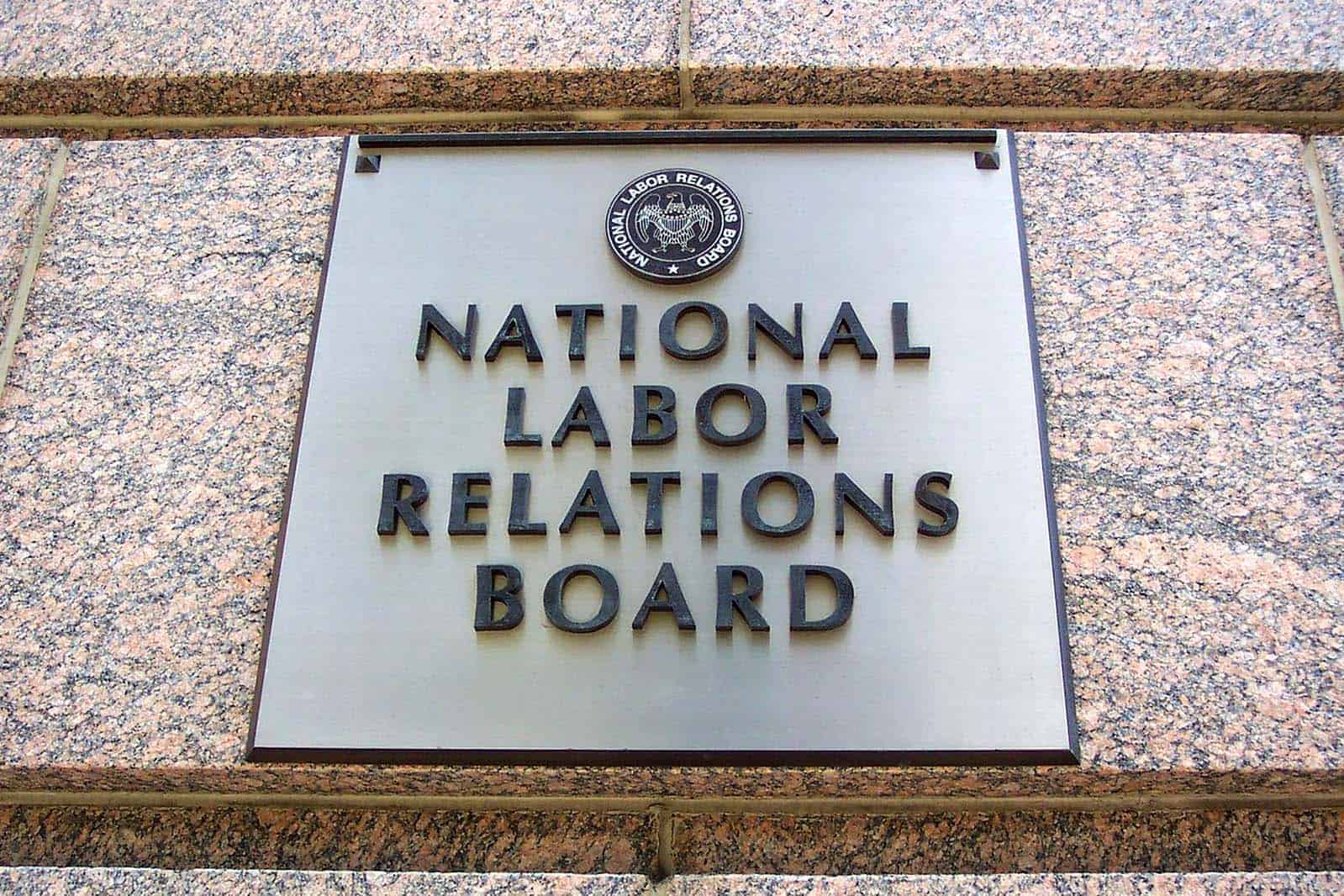
Starting with a significant doctrinal development, GC Abruzzo announced yesterday that her office has filed a motion urging the Board to overturn Ex-Cell-O Corp., a 1964 precedent that fundamentally constrains the NLRB’s remedial powers in the failure to bargain context. As any labor lawyer knows, the NLRB’s remedial limitations have long been identified as one of the regime’s core deficiencies. In Ex-Cell-O the Board held that it lacks statutory authority to issue a monetary remedy for § 8(a)(5) duty to bargain violations. Such a remedy would be calculated to compensate employees in an amount approximating the economic improvements they would have secured had the employer engaged in the good faith bargaining the Act envisions. The decision effectively confined the Board’s remedial arsenal in 8(a)(5) cases to the all but useless bargaining order — which merely instructs the employer to do something it was already legally obligated to do, that is, bargain with the union in good faith.
Abruzzo signaled interest in revisiting Ex-Cell-O in the “stunning” remedies memo she issued last September. As Professor Sachs observed at the time, she could become one of the “most consequential GCs in NLRB history” if she manages to convince the Board to do a “fraction of the things” outlined in her memo. Friday’s motion is a significant step in that direction.
In organizing news, after eighteen months of negotiations, direct intervention by the mayor, and a one day strike, over 200 employees at Boston’s renowned MFA ratified a first contract on Tuesday. The MFA was perhaps the most prestigious of the many cultural institutions that organized during the pandemic, voting in a landslide to join the UAW in 2020.





Daily News & Commentary
Start your day with our roundup of the latest labor developments. See all
October 16
Department of Labor reduces wage-and-hour enforcement at unionized workplaces; Fain's victory poses question of federal monitor's extension.
October 15
New reporting examines the rollback of child labor protections; California tries to block a strike; NLRB charges Wisconsin mental health provider with firing workers during union drive.
October 14
Eleventh Circuit overturns ERISA exhaustion rule; DHS finalizes removal of automatic renewal for work permits; AFGE challenges SSA over flexible scheduling policy.
October 13
Chicago hotel workers remain on strike; a coalition of Democratic states sues the Labor Department over canceled unemployment insurance grants; the Federal Labor Relations Authority establishes a new mediation framework for federal worker disputes.
October 12
Workers at the Obama Foundation begin organizing; MLB submits its latest collective bargaining agreement proposal; Brigham & Women's nurses postpone strike.
October 11
UAW President Shawn Fain succeeds in his reelection bid, and Spanish unions call for a general strike.