
Iman Masmoudi is a student at Harvard Law School.
In today’s labor news, Microsoft and the CWA announce an historic labor neutrality agreement, Dollar General workers are raising their voices, and workers at two midwest Starbucks locations have joined the CMRJB.
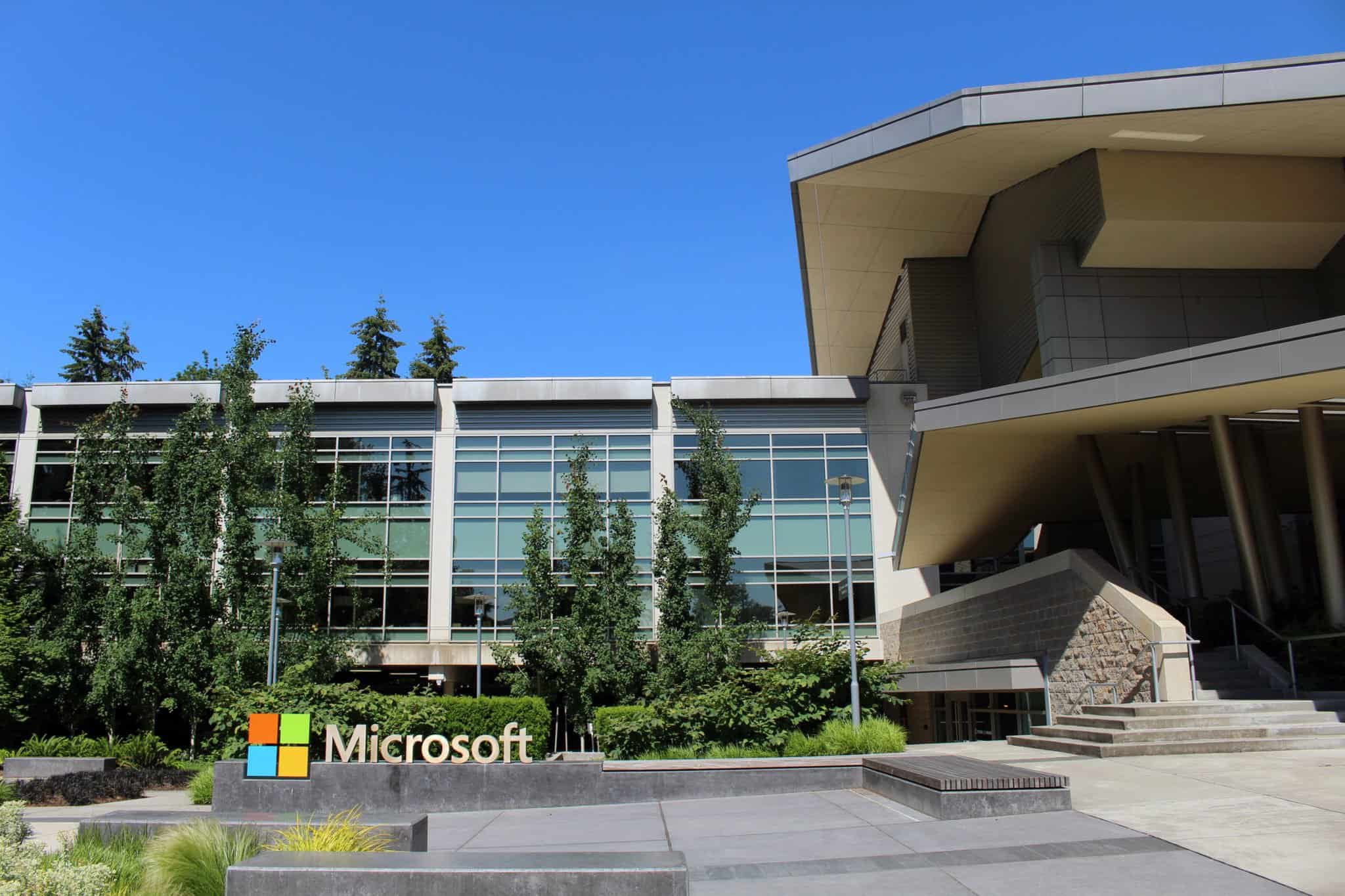
CWA announced yesterday that it had reached a labor neutrality agreement with Microsoft as it seeks to close its acquisition of Activision Blizzard. In return for neutrality towards unionizing, open communication among employees, a technology-supported process for choosing whether to join a union, and confidentiality and privacy, the CWA now openly supports the Microsoft-Activision acquisition, promises to facilitate union communication in a way that avoids businesses disruptions, and agrees to disagreement resolution and arbitration. Microsoft President Brad Smith said that the agreement means the company will not “put a thumb on the scale to influence or pressure” employees’ informed choices about unionization. This comes as a small group of workers at the video game company won a unionization vote just last month. They are represented by CWA. CWA has been in significant disputes at the NLRB with Activision Blizzard over the last year. Many see Microsoft’s agreement as a recognition that companies’ best interests are aligned with smooth and thriving labor relations, and hope to see more such neutrality agreements.
Dollar General, meanwhile, has maintained its stance of antagonism, as More Perfect Union Reports. Workers recently were given proxy by shareholders to attend a shareholder meeting, but the workers were not permitted to enter. The CEO reportedly “boasted” at the meeting about how well the company treats employees and how much it had invested in its workforce. Meanwhile workers protested outside that they can barely survive on Dollar General wages, with the median employee salary at $17,773. They also complain that Dollar General intentionally understaffs stores, leaving workers overworked and vulnerable to violent crime incidents. Dollar General workers have been organizing for the past several months.
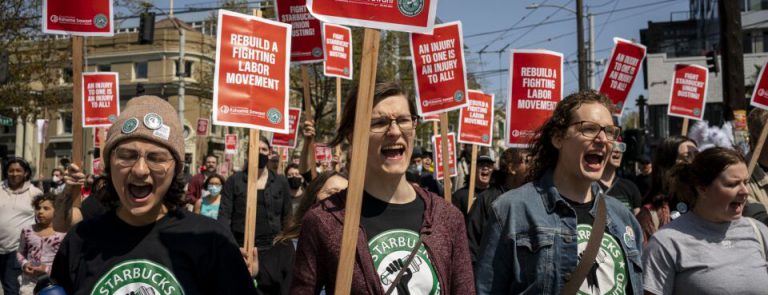
Finally, Workers United CMRJB announced that two Starbucks stores joined as members yesterday, a “strong start to election week.” The stores, in St. Louis County, MO, and Denver, CO, voted to unionize 12-3 and 8-5 respectively. They were among over 100 Starbucks stores over the past weeks and months that have successfully petitioned to hold union elections. Starbucks has continued to strongly oppose the unionization movement.


Daily News & Commentary
Start your day with our roundup of the latest labor developments. See all
September 20
Culinary Workers Union members protests union leadership; lawsuit against OpenAI and Microsoft reveal internal concerns about the threat of AI training to human labor.
September 17
Unions push to block Google from buying Spirit Airlines employment records; U.S. Department of Labor sues Oklahoma coffee chain over alleged wage violations.
September 16
Trump nominates Catherine Eschbach as EEOC general counsel; NLRB declines to resolve union work-assignment dispute; Allina Health physicians begin four-day strike.
September 15
Documents reveal the inner workings of Amazon's union avoidance program; Washington state public sector unions reach tentative deals amid a difficult bargaining cycle; hundreds of Nevada Culinary Union members protest their union's health care changes.
September 14
NCAA and Big Ten file motion to dismiss in former star player's NIL suit; Seventh Circuit rules against former postal worker in discrimination suit.
September 13
Documents released on the 25th anniversary of the 9/11 attacks show that city officials encouraged workers to return to Ground Zero despite knowing the risks of asbestos exposure, and new polls demonstrate continued widespread support for labor unions.