
Fran Swanson is a student at Harvard Law School.
Despite increased demand for ridesharing services, many Lyft and Uber drivers are not back on the roads, CNBC reports. A number of factors explain why the companies’ driver capacities have fallen by approximately 40%. Some former drivers said that they remained afraid of contracting COVID-19, and found food delivery less risky and less costly, with lower gas and maintenance outlays because of the generally shorter distances. Lyft and Uber have suggested that they are considering ways to reduce driver expenses and fund education programs, but drivers insist that what the companies actually need is a “paradigm-shift[]” in their business models, which have resulted in high costs for consumers and low payouts for drivers. One former-driver-turned-organizer described the situation as a “low-key strike.”
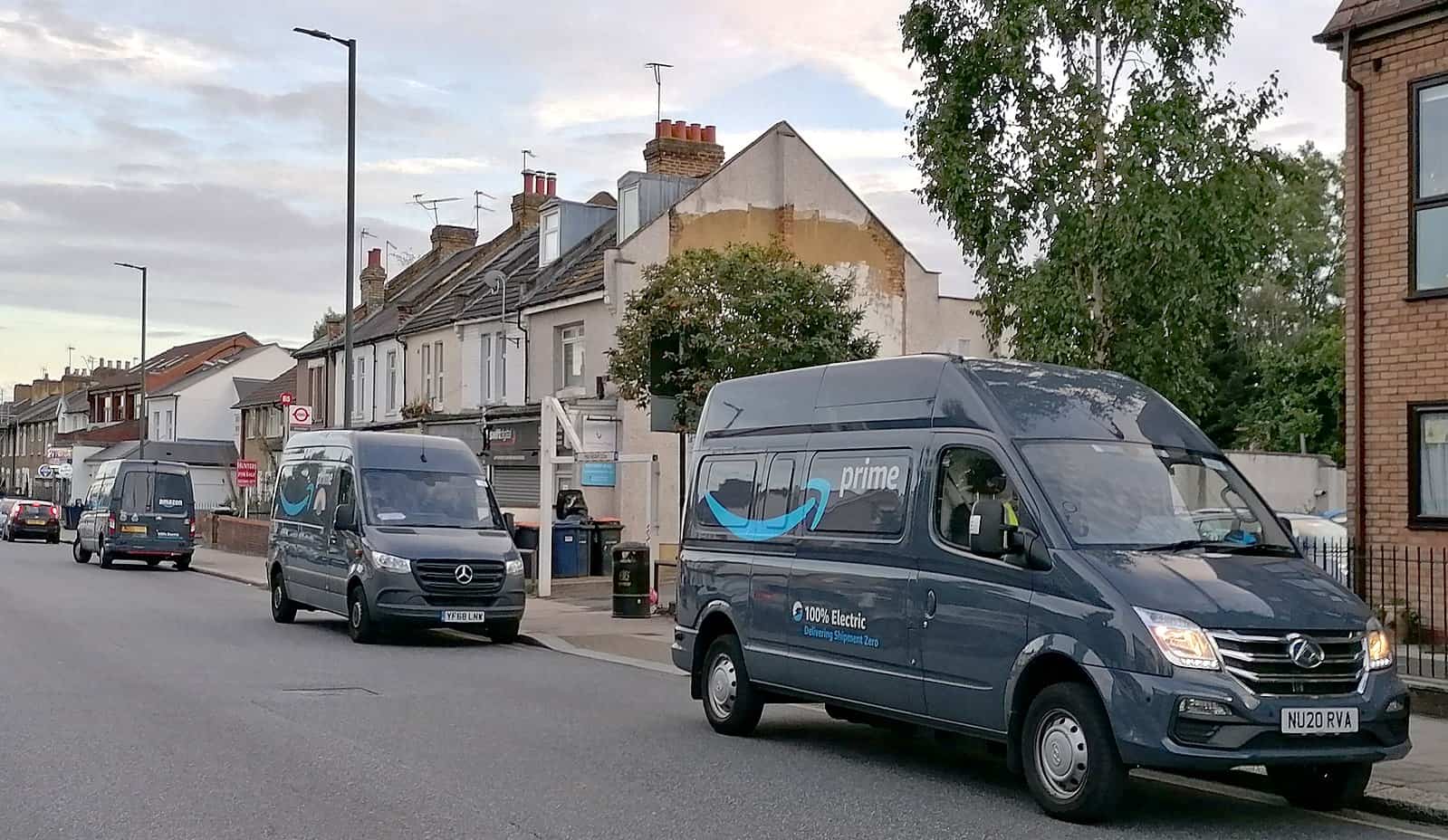
In a wide-ranging New York Times op-ed out today, E. Tammy Kim reflects on how Amazon has transformed Seattle and considers the organizing efforts of its blue- and white-collar workers there. This organizing has targeted not only the workplace but also city councils and the state legislature: she writes that, “Amazon’s home turf has also been the site of precedent-setting policy fights,” including over the minimum wage and capital-gains tax. But organizing workers on Amazon’s home turf and across the country will require the combined efforts of organized labor, which she explores through conversations with leaders from a wide-range of unions. Todd Crosby, UFCW’s organizing director, suggested that it would “take a mass mobilization of union workers to engage Amazon workers.”
Finally, the brutal heatwave that engulfed the Pacific Northwest last week endangered many people, particularly low-wage workers. Donut store workers in Oregon walked off the job after temperatures skyrocketed to unsafe levels, and three of the striking workers have since been fired. Sebastian Francisco Perez, a 38-year-old who dreamed of starting a family in his native Guatemala, died on a tree farm in Oregon during the heat wave because of unsafe conditions. According to The Oregonian, 174,000 migrant and seasonal farmworkers in the state have worked through the heat, wildfires, and a pandemic this past year. Immigrant rights and labor organizations called for water and shade breaks and protection against retaliation. While the average life expectancy is 77 years in the United States, that plummets to 49 years for farmworkers, who are consistently excluded from measures that benefit other workers. For example, farmworkers were excluded from Oregon’s overtime pay legislation this past session. Ramiro Navarro, Jr., who used to work at the same nursery as Perez, said that working in dangerous conditions was “a choice that many will make over and over again in the same way that Sebastian made until we fix the broken system that puts people in a position to have to make that choice.”





Daily News & Commentary
Start your day with our roundup of the latest labor developments. See all
September 20
Culinary Workers Union members protests union leadership; lawsuit against OpenAI and Microsoft reveal internal concerns about the threat of AI training to human labor.
September 17
Unions push to block Google from buying Spirit Airlines employment records; U.S. Department of Labor sues Oklahoma coffee chain over alleged wage violations.
September 16
Trump nominates Catherine Eschbach as EEOC general counsel; NLRB declines to resolve union work-assignment dispute; Allina Health physicians begin four-day strike.
September 15
Documents reveal the inner workings of Amazon's union avoidance program; Washington state public sector unions reach tentative deals amid a difficult bargaining cycle; hundreds of Nevada Culinary Union members protest their union's health care changes.
September 14
NCAA and Big Ten file motion to dismiss in former star player's NIL suit; Seventh Circuit rules against former postal worker in discrimination suit.
September 13
Documents released on the 25th anniversary of the 9/11 attacks show that city officials encouraged workers to return to Ground Zero despite knowing the risks of asbestos exposure, and new polls demonstrate continued widespread support for labor unions.