
Minnie Che is a student at Harvard Law School.
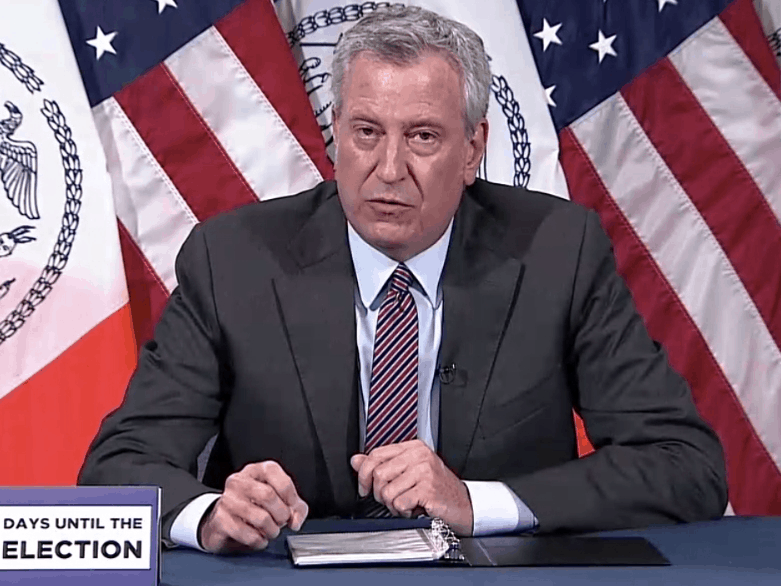
Amidst the pandemic and its widespread economic consequences, New York City Mayor Bill de Blasio is looking to implement budget cuts, either through savings from the city’s unions or potentially laying off 22,000 out of 300,000 city workers. According to Politico, de Blasio’s budget team have been in contact with high-ranking city officials regarding their individual budgets. The officials were told to “provide the administration with a list of employees being considered for job cuts by the end of next week.” However, the NYPD, who has a budget of nearly $6 billion, is not being asked to conduct any layoffs. The police department will still need to identify possible budget cuts, but it is unclear what different protocols they were given than other agencies. De Blasio’s plan may be a response to a meeting with the Financial Control Board last week, where he was told to provide a more detailed blueprint for budgeting. Without federal stimulus money or state grant, New York City will see thousands of layoffs on October 1, 2020.
On Tuesday, Jon Levitan wrote about a California state judge granting an injunction enjoining Uber and Lyft from classifying their drivers as independent contractors. Uber CEO Dara Khosrowshahi published an op-ed defending Uber’s classification of its drivers by opining on the flexibility given to independent contractors and proposing a “third way” that would require employers like Uber to set up funds for workers that can accrue cash for benefits over time. Noam Scheiber from the New York Times comments on that proposal, saying that this third category may not be necessary because drivers do not have to lose flexibility when classified as employees. Companies can delineate short shifts in different increments to allow employees to work on a schedule beneficial to them. Uber can also create a pool of cash now to pay for workers’ insurance but has not because it may look more like an employer-employee relationship. Scheiber does say there are holes in the current employment system that has not evolved to meet the needs of the gig worker. One such example is that if someone is working for multiple gig companies like Uber, Lyft, and Postmates, it is unclear who their employer is. With this new ruling, he says we can likely expect Uber prices to rise until Uber chooses to subsidize the costs themselves.
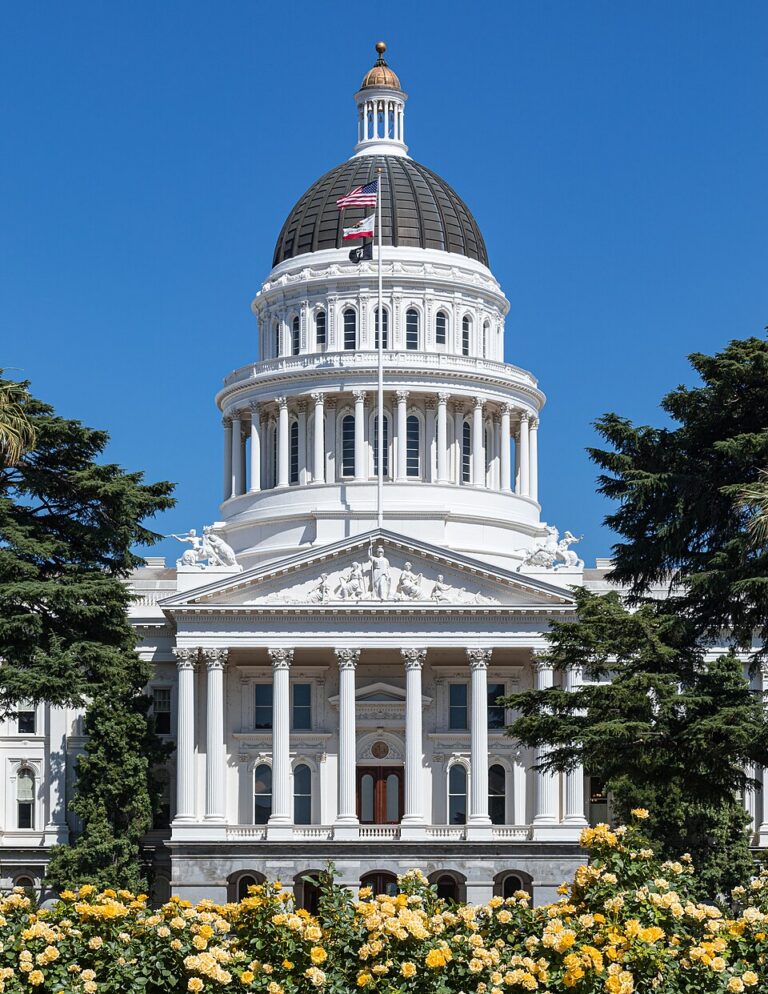
In other gig economy related news, California’s Assembly Bill 5, signed into law on September 18, 2019, has made it harder for companies to classify workers as independent contractors. The Bill codifies the California Supreme Courts’ decision in Dynamex Operations West, Inc. v. Superior Court. Another bill that is currently moving through the Legislature would give California newspaper companies two more years to comply with that law in regards to newspaper delivery workers. The bill also requires state agencies to place marketing and outreaching advertising with community and ethnic news outlets as a response to the devastating effects on the newspaper industry created by Covid-19. Since the pandemic, California newspapers have reported advertising plummeting, which has shut down 18 of the state’s print newspapers. The bill, advanced by Assemblywoman Blanca Rubio of Baldwin Park, would allow the newspapers to recover from the effects of the pandemic.
Amazon has just announced that it will set up a store in Stockholm as part of its EU expansion plans. The plan is called “Project Dancing Queen” after Swedish pop group Abba’s hit song. While there are no concrete details yet, it is believed the store will go live in the fall. Amazon’s vice president Alex Ootes has commented, “Amazon has been supporting Swedish customers and selling partners across our different European stores for many years, but the next step is to bring a full retail offering to Sweden and we are making those plans now.” However, Amazon’s entry into the Swedish market may cause radical changes to the current marketplace. Swedish e-commerce will be forced to adapt to be able to compete with Amazon’s quick delivery model. Sweden’s strong pro-union stance may also cause conflicts with Amazon’s anti-union approach and working culture. Time will tell if Amazon will change the Swedish market or vice versa and how the Swedish people will receive the company’s arrival.



Daily News & Commentary
Start your day with our roundup of the latest labor developments. See all
October 27
Some California union locals defy their statewide leadership to back the state’s billionaire tax proposal; a Brown University technology center releases a map of the hidden global workforce behind AI; the National Women's Soccer League and its players union settle six grievances.
October 26
Harvard dining workers authorize strike; New York City bans horse carriages; Brooklyn nurses rally in support of colleague.
October 25
Dallas Cowboys Cheerleaders unionize; Bureau of Prisons again pushes for union contract cancellation; CSU faculty votes on strike authorization.
October 23
Employers increasingly shift health care costs onto workers and NYC proposes placing restrictions on fully automated customer service.
October 22
SCOTUS declines Wilcox appeal; Penn State research assistants win bargaining rights; SEIU sued over military leave firing.
October 21
DOL withdraws tipped-worker rule; Instacart settles hiring-bias claims; Phillips 66 locks out New Jersey refinery workers.