
Anjali Katta is a student at Harvard Law School.
In today’s news and commentary the NTEU petitions for reconsideration for the CFPB layoff scheme, an insurance company defeats a FLSA claim, and a construction company violated the NLRA by surveilling its unionized workers.
The National Treasury Employees Union is urging the D.C. Circuit to reconsider a three-judge panel decision that sanctioned the termination of most workers at the Consumer Financial Protection Bureau. The NTEU argues that the ruling departs from established precedent and renders “the judiciary incapable of enforcing bedrock separation-of-powers principles.” The previous panel decision found that the district court lacked jurisdiction and the plaintiffs didn’t target a final agency action under the Administrative Procedure Act. A pause on layoffs remains while the court reviews the case.
Anthem, a large health insurance company, defeated a Fair Labor Standards Act lawsuit brought by registered nurses who claimed they were wrongly denied overtime pay. A federal judge ruled the nurses were exempt from requirements under FLSA as they were learned professionals. Thus, the court found that Anthem correctly classified these nurses and they were not entitled to overtime pay. The court found the nurses were learned professionals as they used advanced, specialized knowledge in their roles, and had the ability to act independently despite structured processes. The court also cited to testimony which showed they relied on clinical judgment and nursing expertise, which couldn’t be acquired through on-the-job training alone.
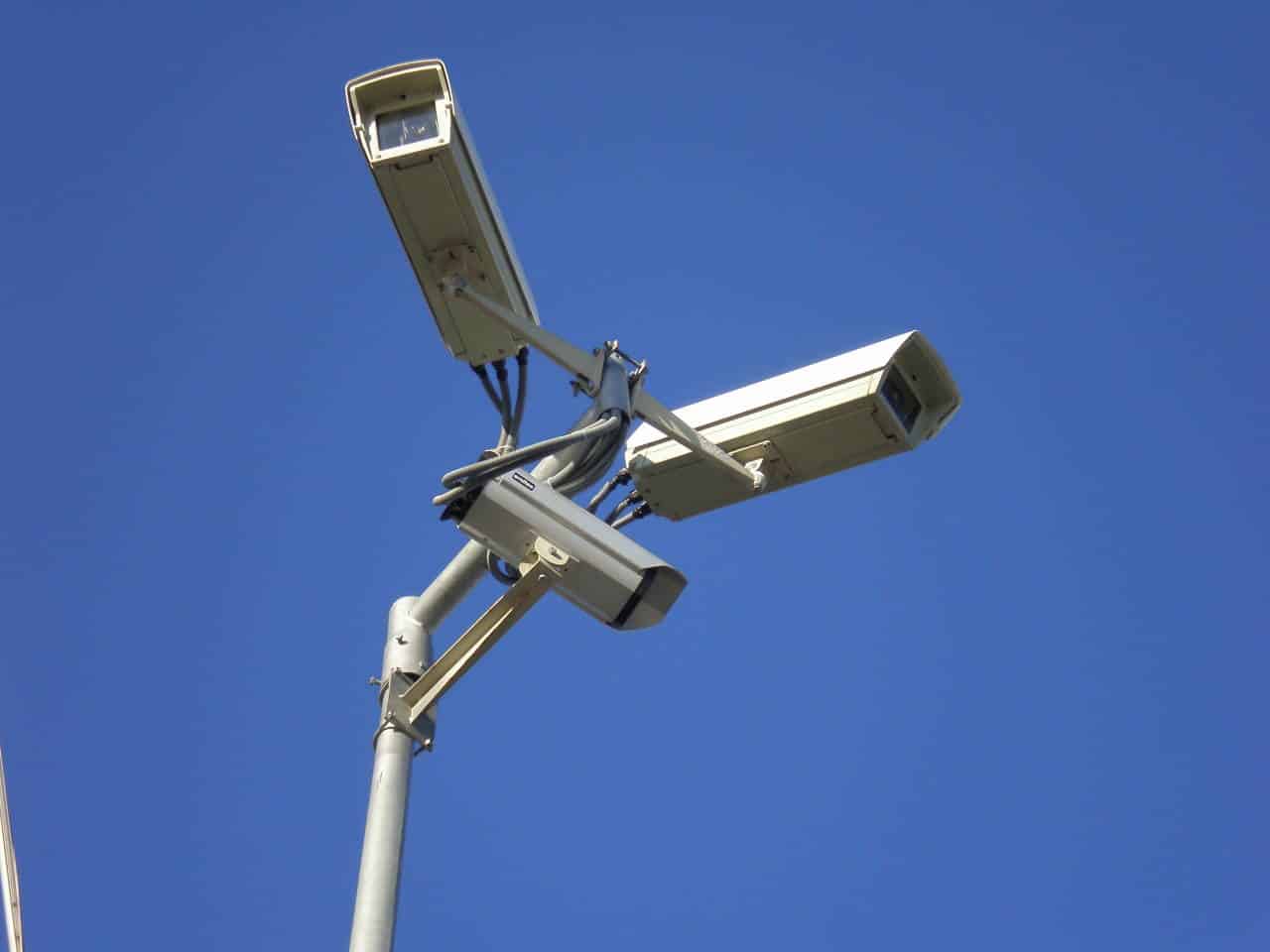
An NLRB judge ruled that InfraSource Services, a construction company, must revise its handbook policies as it unlawfully installed AI-powered surveillance cameras in company vehicles without bargaining with its workers and their unions. Workers in seven facilities in Washington state are represented by the International Union of Operating Engineers and the United Association of Plumbers and Pipefitters. The company installed cameras in early 2024 to monitor distracted driving and crash incidents. Union officials held multiple meetings with management throughout the year, but the company moved forward with the installations and updated its employee handbook to prohibit all forms of distracted driving. The judge found the unilateral changes in surveillance and the handbook unlawful along with the disciplinary action taken against workers who covered their cameras. The judge found that the management rights clause in the collective bargaining agreement, which reserves the right of the employer to maintain efficiency, did not explicitly authorize video or audio monitoring of employees. The judge ordered the company to rescind the policies, bargain with the unions, and clear disciplinary records.



Daily News & Commentary
Start your day with our roundup of the latest labor developments. See all
October 12
Workers at the Obama Foundation begin organizing; MLB submits its latest collective bargaining agreement proposal; Brigham & Women's nurses postpone strike.
October 11
UAW President Shawn Fain succeeds in his reelection bid, and Spanish unions call for a general strike.
October 9
DHS proposes a $100k fee for the foreign grad employment program; Trump suspends tech company access to green card program; and private equity perpetuates poor working conditions for home care workers.
October 8
NLRB judge finds UPS unlawfully restricted union insignia; Harvard graduate workers authorize second strike; OSHA orders Union Pacific to pay $300,000 in damages in whistleblower case.
October 7
DOL scraps plan to remove decades-old wage-and-hour guidance from federal regulations; New York enacts personnel records access law; Starbucks loses bid to dismiss Workers United trademark suit.
October 6
Protect College Sports Act dampens athlete unionization outlook; Stanford RA union decides to withdraw petition