
Justin Cassera is a student at Harvard Law School.
In today’s news and commentary, jobless claims surge toward a four-year high, a federal court grants summary judgment in suit challenging government firings, and employers fire workers for social media posts regarding the assassination of Charlie Kirk.
On Thursday, the Department of Labor reported a rise in both the Consumer Price Index (CPI) and applications for jobless benefits. The CPI, a key indicator of inflation, rose 0.4% in August. This is the largest year-over-year increase in seven months and is primarily driven by increases in the cost of food and housing. Some economists attribute these increases to tariffs and labor shortages at farms typically staffed by migrant workers. The Labor Department also reported that initial claims for state unemployment benefits jumped to 263,000 for the week ended September 6. This is an increase of 27,000 and is, in the aggregate, the highest level of claims since October 2021. While the Labor Day holiday may have impacted the data, others fear the numbers signal the advent of stagflation. This combination of inflation and a softening labor market will certainly impact the Federal Reserve’s highly anticipated decision to cut interest rates at its Wednesday meeting.
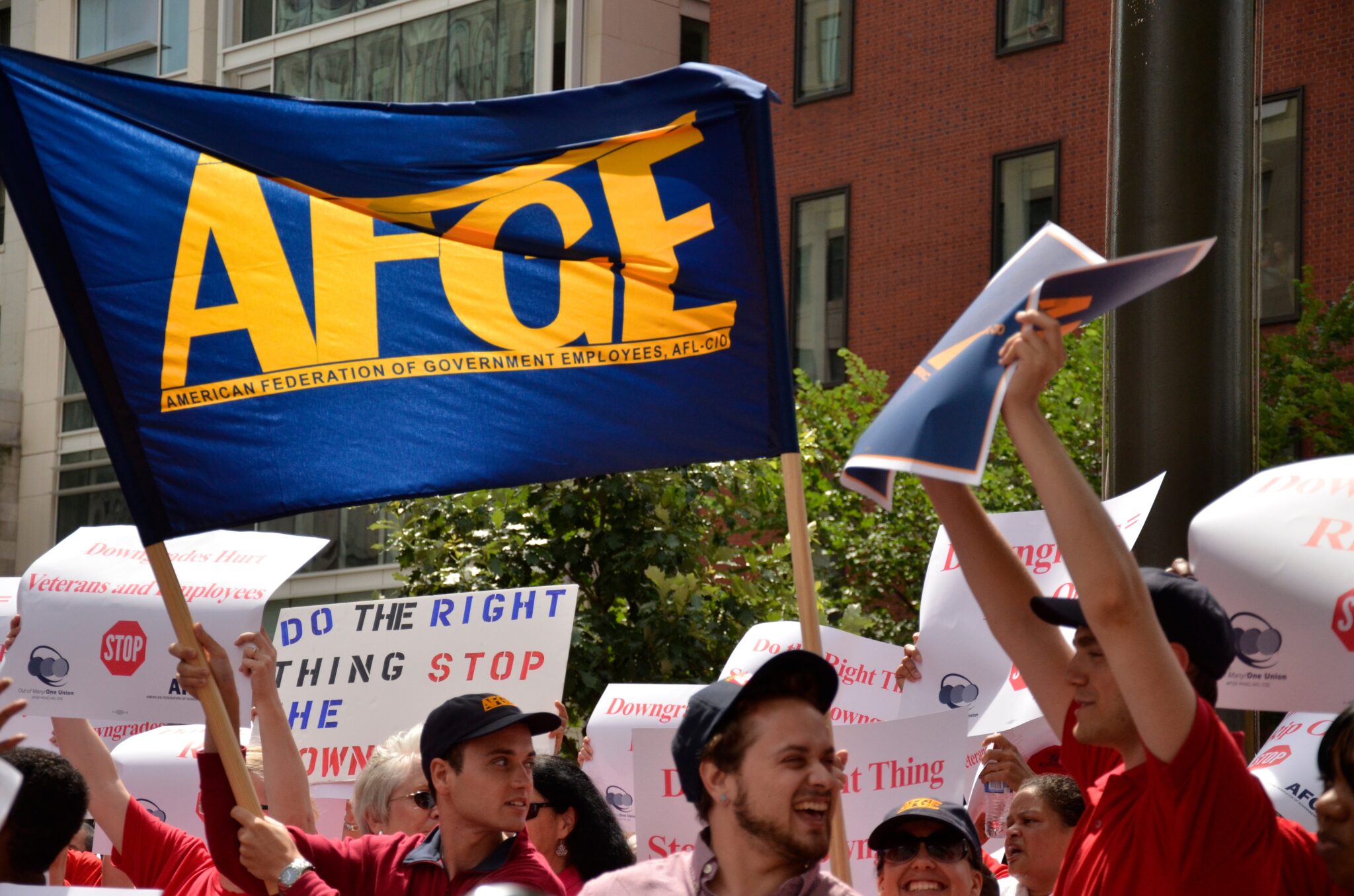
On Friday, a federal court in California granted the American Federation of Government Employees partial summary judgment in its suit challenging unlawful firings by the United States Office of Personnel Management (OPM). The order states that the OPM “exceeded its own powers and usurped and exercised powers reserved by Congress.” While this weakens the OPM’s ability to unilaterally fire people in theory, the court did not order reinstatement of the workers. In declining to do so, Judge William Alsup wrote that the Supreme Court has “made clear” it would overturn such a decision while noting that many of the fired employees have since found other jobs. The Trump administration has promised to appeal.
At least thirty people have been fired at various organizations for comments made on social media regarding the assassination of conservative political commentator Charlie Kirk. This includes MSNBC analyst Matthew Down, an associate at the law firm Perkins Coie, and a public relations employee at the Carolina Panthers. Kirk’s assassination on September 10 has sparked waves of public outrage, misinformation, and calls for further political violence. One website, titled “Expose Charlie’s Murderers,” reviews submissions of social media posts and lists the names, locations, and employers of those deemed to have been “celebrating Charlie’s death.” Several of the people listed have since received death threats. The former employers of those fired have condemned the posts as “insensitive,” “unacceptable,” and not representative of their organizations.


Daily News & Commentary
Start your day with our roundup of the latest labor developments. See all
April 2
Sheridan, Colorado educators go on strike; Maryland graduate student workers are one step closer to collective bargaining rights.
April 1
DOL proposes 401(k) rule; Starbucks investors reelect controversial board members; Washington passes workplace immigration warning requirement.
March 31
In today’s news and commentary, the Supreme Court hears a case about Federal Court jurisdiction over arbitration, a UPS heat inspection lawsuit against OSHA is dismissed, and federal worker unions and NGOs call on the EPA to cease laying off its environmental justice staffers. A majority of Supreme Court justices signaled support for allowing federal […]
March 30
Trump orders payment to TSA agents; NYC doormen look to authorize a strike; and KPMG positions for mass layoffs.
March 29
The Department of Veterans Affairs re-terminates its collective bargaining agreement despite a preliminary injunction, and the Federal Labor Relations Authority announces new rules increasing the influence of political appointees over federal labor relations.
March 27
“Cesar Chavez Day” renamed “Farmworkers Day” in California after investigation finds Chavez engaged in rampant sexual abuse.