
Henry Green is a student at Harvard Law School.
In today’s news and commentary, the 9th Circuit rejects a constitutional challenge to the NLRB’s structure and a cannabis retailer argues that a state labor peace statute is preempted by federal labor law.
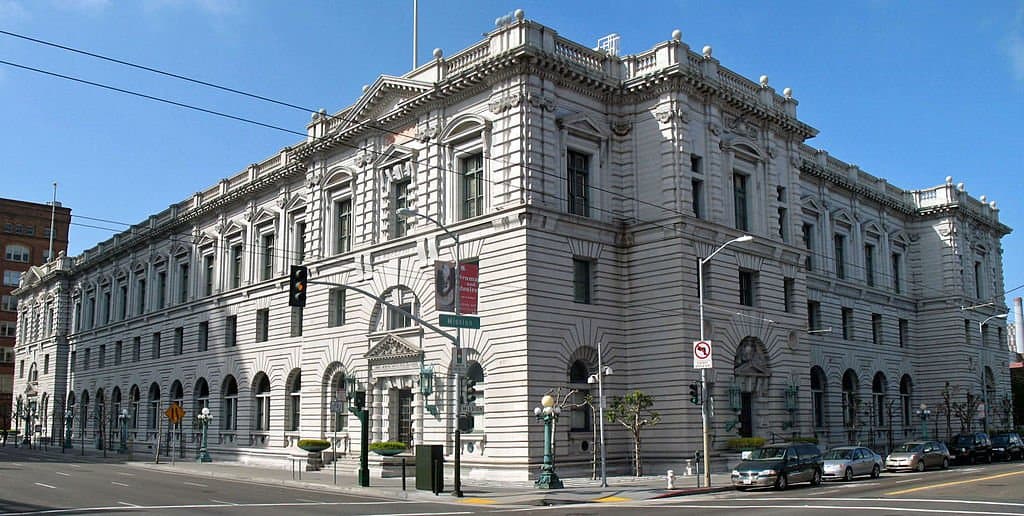
The 9th Circuit rejected a constitutional challenge to the NLRB’s structure yesterday, Bloomberg Law reports. The respondent in the case was an apartment management company based in Phoenix. Appealing unfair labor practice charges, the company argued that the NLRB’s structure is unconstitutional because its for-cause removal protections violate Article II, its adjudication scheme violates the Seventh Amendment right to a jury trial, and its combination of investigatory and adjudicatory powers is inconsistent with the separation of powers and violates the Fifth Amendment right to due process. The company also disputed the Board’s charges on the merits.
The court rejected each constitutional argument, granting the NLRB’s application to enforce its order. On for-cause removal, the court said that since the President had not tried to remove the ALJ who issued the order in the case, there was no “compensable harm” for which to offer relief. Rejecting the Seventh Amendment challenge, the Court said that even Thryv remedies (which authorize the Board to order relief for “direct or foreseeable pecuniary harms” in addition to backpay) do not entitle parties to a jury trial. Rejecting the separation of powers claim, the court said the respondent had not shown that the NLRB conferred investigative and adjudicatory powers on a single individual or that NLRB officials had an “unconstitutional potential for bias.” The opinion in the case was written by Judge Jed Rakoff of the Southern District of New York, who was sitting by designation.
Law 360 reports that a cannabis retailer has asked a federal judge in New Jersey to enjoin a state law requiring it to reach a labor peace agreement. New Jersey’s CREAMM Act requires cannabis retailers to enter a labor peace agreement with a “bona fide labor organization” as an ongoing condition of their license, according to the article. The retailer’s motion for a preliminary injunction argues that New Jersey’s law is preempted by federal labor law under the Supreme Court’s Garmon and Machinists precedents. Per another Law360 article, district courts in Oregon and California have recently split on challenges to similar cannabis industry labor peace laws. A judge in the District of Oregon found Oregon’s law to be preempted by the NLRA; but the Southern District of California dismissed preemption claims and other constitutional challenges to California’s labor peace statute. Both decisions have been appealed to the 9th Circuit.




Daily News & Commentary
Start your day with our roundup of the latest labor developments. See all
March 20
Appeal to 9th Cir. over law allowing suit for impersonating union reps; Mass. judge denies motion to arbitrate drivers' claims; furloughed workers return to factory building MBTA trains.
March 19
WNBA and WNBPA reach verbal tentative agreement, United Teachers Los Angeles announce April 14 strike date, and the California Gig Workers Union file complaint against Waymo.
March 18
Meatpacking workers go on strike; SCOTUS grants cert on TPS cases; updates on litigation over DOL in-house agency adjudication
March 17
West Virginia passes a bill for gig drivers, the Tenth Circuit rejects an engineer's claims of race and age bias, and a discussion on the spread of judicial curtailment of NLRB authority.
March 16
Starbucks' union negotiations are resurrected; jobs data is released.
March 15
A U.S. District Court issues a preliminary injunction against the Department of Veterans Affairs for terminating its collective bargaining agreement, and SEIU files a lawsuit against DHS for effectively terminating immigrant workers at Boston Logan International Airport.