John Fry is a student at Harvard Law School.
In today’s news & commentary, auto workers strike at Mack Trucks; Canadian workers strike at GM; bargaining resumes at Kaiser Permanente; and WGA members approve a new contract.
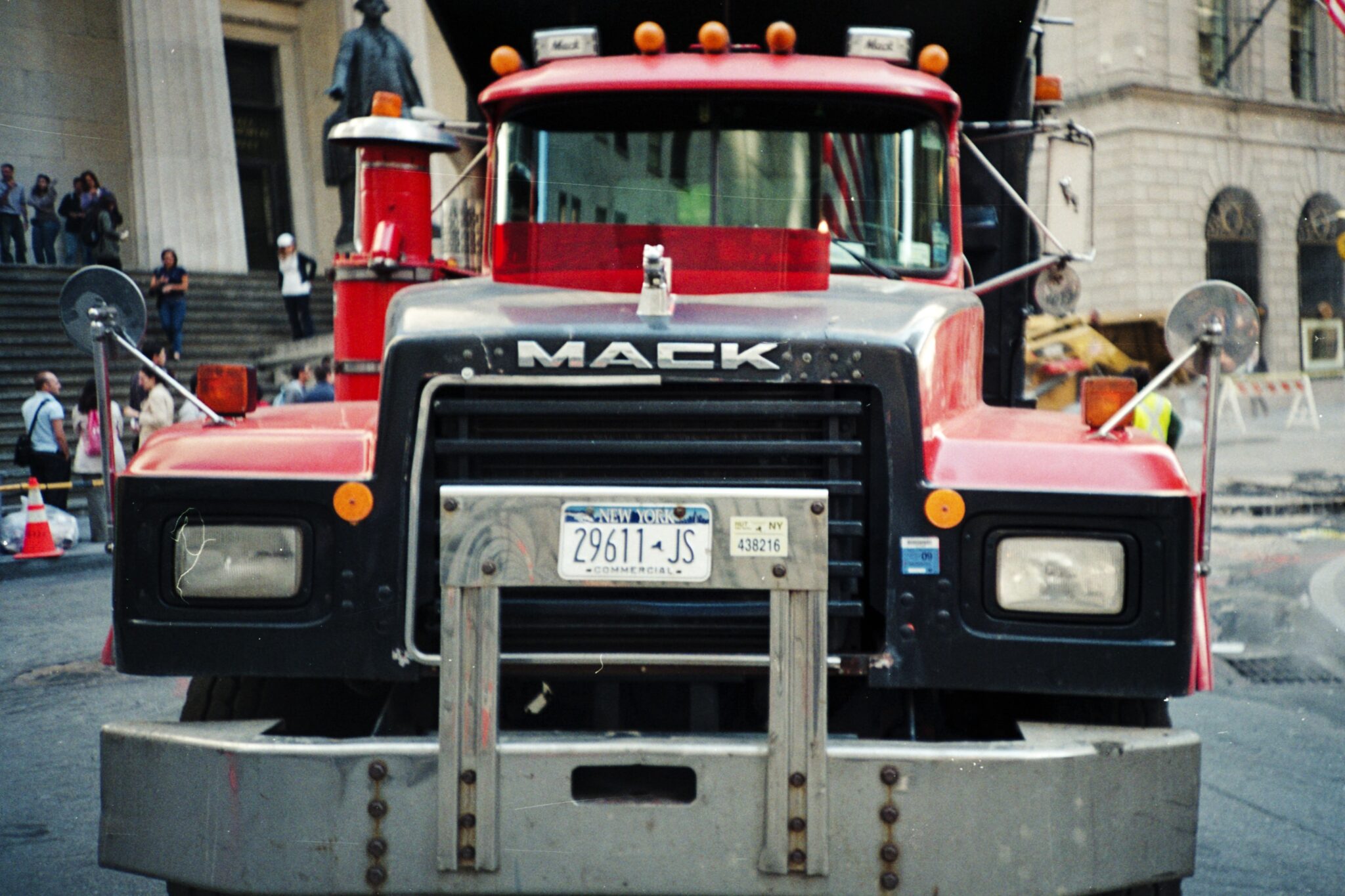
United Auto Workers members at Mack Trucks are on strike after rank-and-file members voted down a tentative agreement that UAW leadership negotiated with the company. The tentative agreement included a 19% wage increase over five years, which some members say is insufficient to meet the rising cost of living. Ford has offered UAW a 23% wage increase amid the union’s ongoing strike at the “Big Three” automakers, which may explain Mack workers’ decision to keep fighting. UAW President Shawn Fain had backed the tentative agreement, but he says he supports the workers’ decision: “I’m inspired to see UAW members at Mack holding out for a better deal, and ready to stand up and walk off the job to win it.”
Canadian auto workers are striking at General Motors, joining their UAW counterparts in the United States. Unifor, the Canadian union, is pursuing a strategy known as pattern bargaining, which I covered last month. Unifor has already reached a contract with Ford and is urging GM to match it, but sticking points include pension benefits and temporary work roles. UAW has traditionally engaged in pattern bargaining with the “Big Three” in the United States, but the union has elected to strike all three employers simultaneously this time.
Kaiser Permanente workers have ended the largest healthcare strike in United States history, and bargaining resumes this week. Acting Labor Secretary Julie Su, who helped West Coast dockworkers reach a contract a few months ago, has been mediating talks between Kaiser and the coalition of unions that represent its workers. However, union leaders have warned of a “longer, stronger” strike in the near future if the company bargains in bad faith or commits unfair labor practices. Key issues at the bargaining table include staffing levels and wage increases for healthcare workers who say their sacrifices during the COVID-19 pandemic should be rewarded.
Hollywood writers have overwhelmingly ratified a new contract with production studios, with 99% of Writers Guild of America members voting “yes.” The contract includes wage and benefits increases as well as unprecedented limits on the use of artificial intelligence. While the SAG-AFTRA actors’ strike is still ongoing, the end of the writers’ strike will mean a return to normalcy for late-night talk shows. The WGA has said it “won’t forget” the striking actors and urged its members to continue walking SAG-AFTRA picket lines in solidarity.





Daily News & Commentary
Start your day with our roundup of the latest labor developments. See all
October 16
Department of Labor reduces wage-and-hour enforcement at unionized workplaces; Fain's victory poses question of federal monitor's extension.
October 15
New reporting examines the rollback of child labor protections; California tries to block a strike; NLRB charges Wisconsin mental health provider with firing workers during union drive.
October 14
Eleventh Circuit overturns ERISA exhaustion rule; DHS finalizes removal of automatic renewal for work permits; AFGE challenges SSA over flexible scheduling policy.
October 13
Chicago hotel workers remain on strike; a coalition of Democratic states sues the Labor Department over canceled unemployment insurance grants; the Federal Labor Relations Authority establishes a new mediation framework for federal worker disputes.
October 12
Workers at the Obama Foundation begin organizing; MLB submits its latest collective bargaining agreement proposal; Brigham & Women's nurses postpone strike.
October 11
UAW President Shawn Fain succeeds in his reelection bid, and Spanish unions call for a general strike.