
Gilbert Placeres is a student at Harvard Law School.
In today’s News & Commentary, the Department of Labor’s new overtime rule is struck down and members of Cornell’s Graduate Student Union speak of repression on campus and the case of Momodou Taal.
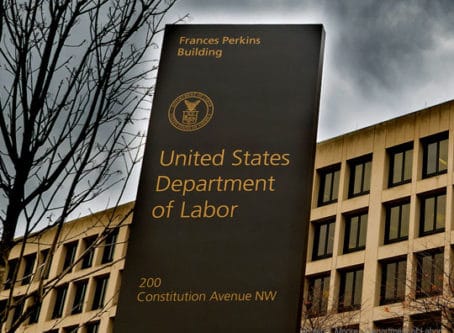
On Friday, a Texas federal judge struck down the Department of Labor’s new overtime rule which would have expanded eligibility to four million new workers. The new rule would have made those who make less than $58,656 automatically eligible for overtime pay whenever they worked more than 40 hours. Judge Sean D. Jordan, of the US District Court for the Eastern District of Texas, found the rule exceeded the agency’s authority because it effectively eliminated other overtime eligibility considerations, making it “a salary-only test.” “In sum, because the EAP [executive, administrative, and professional] Exemption requires that an employee’s status turn on duties—not salary—and because the 2024 Rule’s changes make salary predominate over duties for millions of employees, the changes exceed the Department’s authority to define and delimit the relevant terms,” he concluded.
In In These Times, Maximillian Alvarez interviews two members of Cornell’s Graduate Student Union, Jawuanna McAllister and Jenna Marvin, about the union’s role in issues of free speech and discipline on campus. Specifically, they discuss how the union sprung into action to defend Momodou Taal, a Ph.D candidate and international student who was suspended and faced possible loss of his immigration status after his participation in a protest pressuring the university to divest from Israel. McAllister and Marvin discuss how the administration has ignored a Memorandum of Agreement under which they are supposed to bargain over discipline that affects terms and conditions, how new president Laurence Kotlikoff is “spearheading… repressive tactics[,]” and how international students are targeted due to their vulnerability.




Daily News & Commentary
Start your day with our roundup of the latest labor developments. See all
September 9
Wynn Las Vegas employees allege anti-union retaliation; Amazon faces a class action over pregnancy accommodations; H-1B demand plunges following a six-figure visa fee.
September 8
In today’s News and Commentary, workers and unions across America celebrate Labor Day, California’s SEIU Local 1000 prepares for a strike authorization vote, and New York City creates the Office of Worker Power. On Monday, labor unions and workers gathered in cities across the United States in celebration of Labor Day. Parades and rallies took […]
September 7
Eighth Circuit finds DOL order violates Seventh Amendment; 1,300 workers at Encore Boston Harbor go on strike.
September 6
Encore casino workers strike; President Trump commutes sentence of former Philadelphia IBEW leader; Durham labor activist ends his hunger strike against Amazon.
September 4
NLRB advice memo narrows political protest protections; NLRB asks federal appeals court for deference.
September 3
Seond Circuit rejects a NLRB standard for union insignia in employer dress codes; House Republicans ramp up labor union investigations.