Fred Wang is a student at Harvard Law School.
In today’s News & Commentary, a huge UC grad-student strike begins, the Labor Department uncovers disturbing child-labor violations, and Twitter layoffs continue.
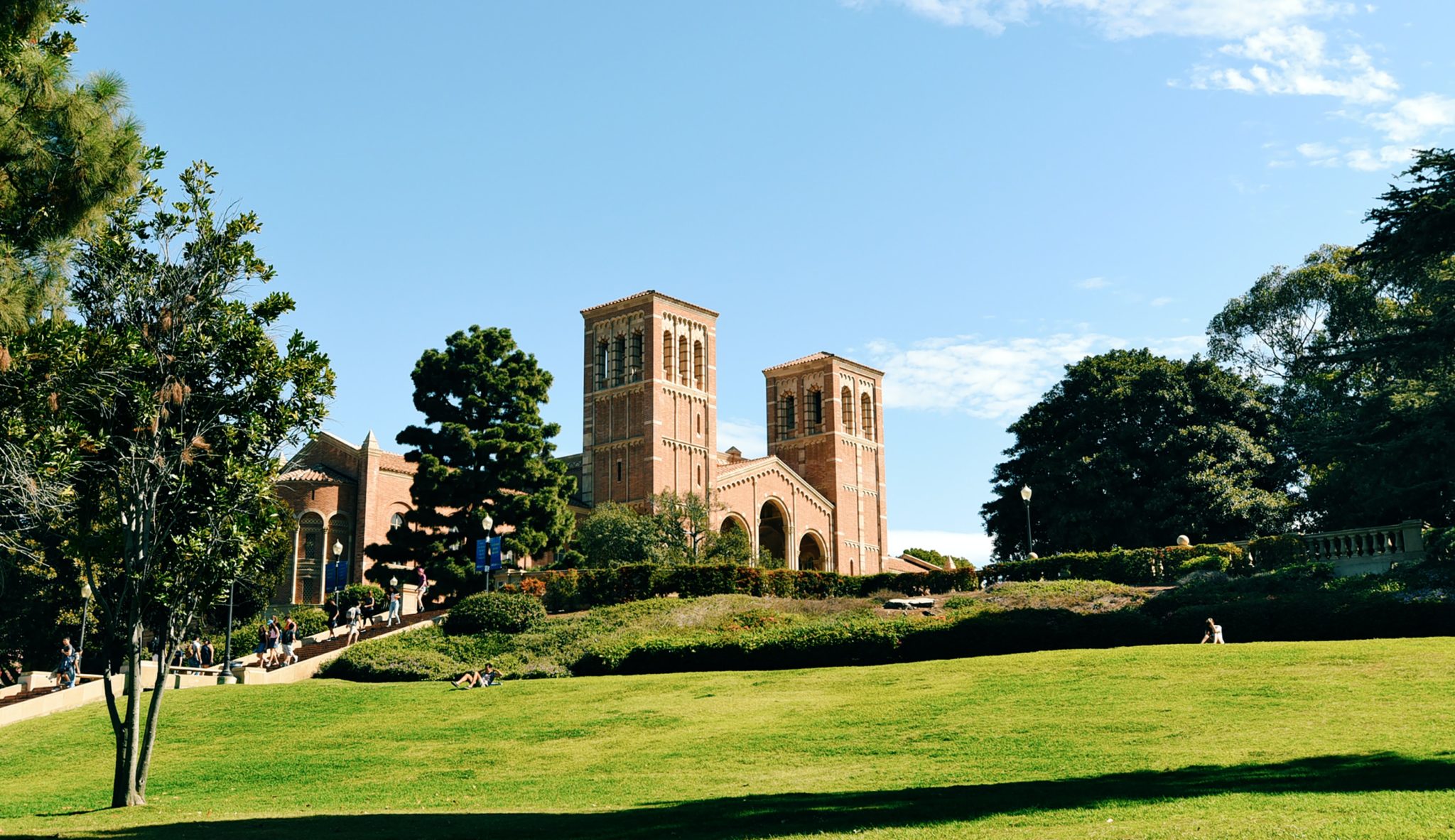
Nearly 50,000 University of California academic workers are prepared to strike today, the Los Angeles Times reports, as graduate students and the university “remain far apart on key issues.” Graduate students are asking UC, among other demands, to more than double their annual pay (from $24,000 to $54,000). These workers perform vital functions in the UC academic system — they research, hold discussion sections, grade student work, and even lead lectures. But they’re also being stretched thin, especially as high rents eat into graduate-student pay. This would be the country’s largest academic-worker strike — at a time in the semester (mere weeks before final exams) where the university’s reliance on graduate-student labor is at its highest.
The Labor Department found that a major U.S. food-safety company illegally employed over two dozen children in various meatpacking plants, the New York Times reports. Packers Sanitation Services hired children as young as 13 to clean dangerous equipment with corrosive cleaners. Most of them did not speak English fluently. Several suffered injuries, such as caustic chemical burns.
Twitter laid off around 80% of its 5,500 contractors, with no notice, Platformer’s Casey Newton reports. Apparently, contractors “weren’t being notified at all” and were aware that they had been fired only after they began “losing access to Slack and email.” This story is just the latest Twitter-employment development after Elon Musk assumed control of the company earlier this month. Musk had already slashed the number of Twitter staff in half, prompting some Twitter employees to sue the company under the federal WARN Act.


Daily News & Commentary
Start your day with our roundup of the latest labor developments. See all
August 27
NLRB GC targets Biden-era precedent; Starbucks Workers United calls for boycott; Encore Boston Harbor workers authorize strike
August 26
Trump administration proposes $103,000 H-1B visa fee after court blocks earlier attempt; Illinois governor signs law enabling state investment in AFL-CIO housing trust; Deloitte pays $21.5 million to settle DOJ probe alleging DEI-related discrimination in federal contracts.
August 25
Hyundai workers reach a tentative agreement; Federal-sector unions sue the Trump Administration over OPM rule changes; Federal judge dismisses a teachers’ union free speech suit.
August 24
Boeing engineers and technicians reject contract proposals and authorize a strike; Ninth Circuit holds that unions charged under 8(b)(4)(D) cannot invoke the work-preservation defense to disregard 10(k) determination.
August 23
Hyundai Motors workers launch full-day strike; federal judge rules in favor of Vermont dairy plant in closure dispute
August 21
Tyson workers respond to abrupt plant shutdown; DOL ends its power to police federal contractor bias.