
Julio Colby is a student at Harvard Law School.
In Today’s News and Commentary: Duke University announces it will oppose graduate student workers’ petition to unionize; NLRB prosecutors find merit to unfair labor practice charges filed against Amazon; Starbucks investors vote on independent audit to determine company’s compliance with labor laws.
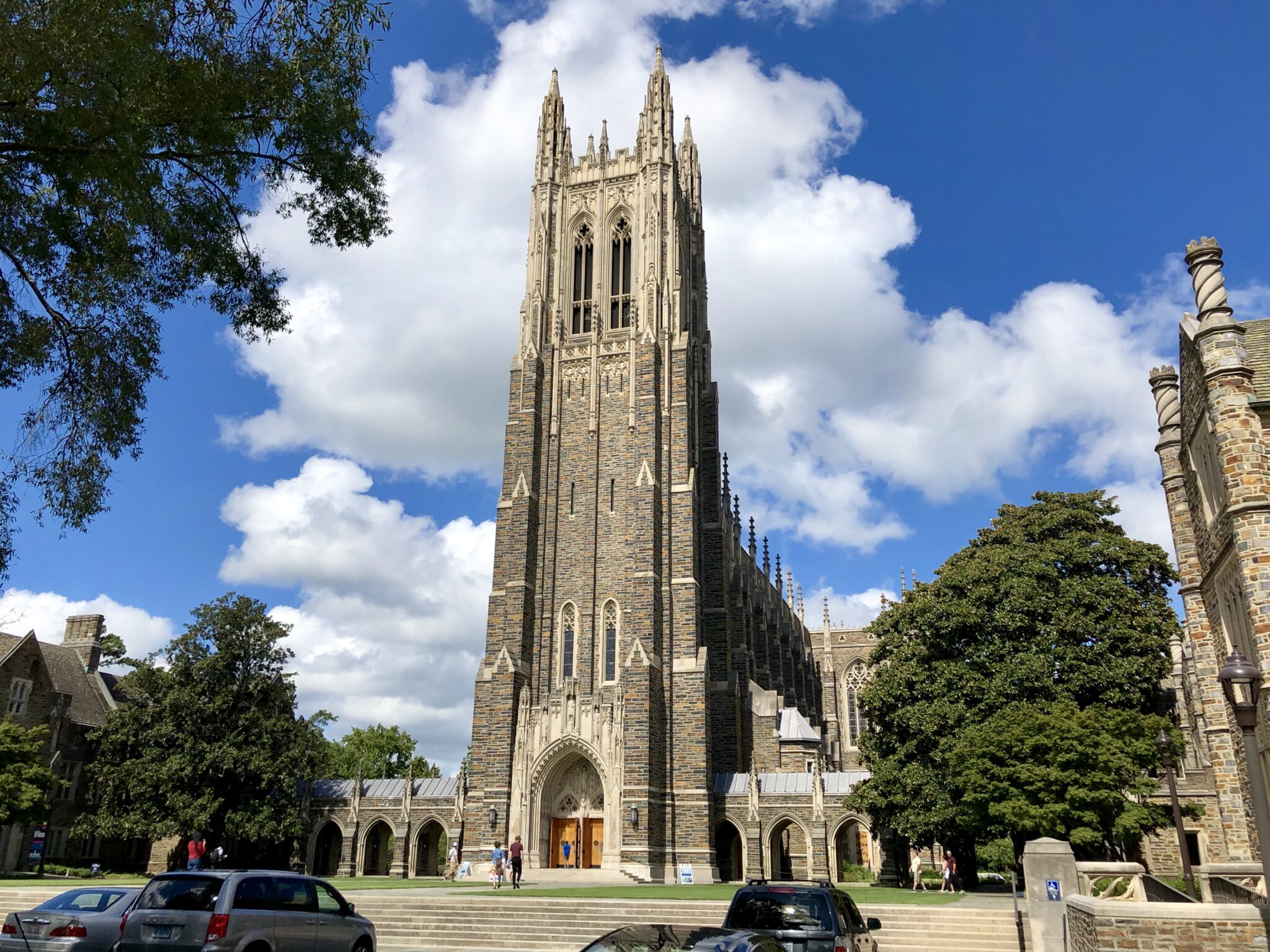
On Monday, Duke University announced it will oppose its graduate student workers’ petition to unionize. Instead, the university will argue that its PhD students are ineligible to unionize because they are not employees of the school. The decision runs counter to the tide of schools accepting their students’ organizing efforts, as well the NLRB’s policy recognizing student workers’ right to organize. Although the argument is likely to fail before the Democrat-controlled NLRB, it could prevail in federal circuit court, which would hear any appeal from a negative Board decision. The Board’s recognition of a student workers’ right to unionize — first in 2000, then again in 2016 after a reversal by a Republican-led Board in 2004 — has not yet been reviewed by a federal appeals court. Duke’s challenge could be the first to reach the courts, but it may take months or years for it to get there as it will have to go through the Board’s processes first.
On Wednesday, NLRB prosecutors in Brooklyn found merit to a series of unfair labor practice charges filed by the Amazon Labor Union against Amazon for actions at its JFK8 distribution center in Staten Island. The finding is a precursor to an official Board complaint or other administrative action, though the company could avoid a complaint by settling with the Board. The charges include, among others, illegally refusing to bargain with the union, issuing a written warning to and subsequently suspending a worker in violation of labor law, and that an overly broad off-duty access rule violates a nationwide settlement on union access that the company reached with the NLRB in 2021. That settlement provides expedited procedures for Board hearings and court enforcement which could be implicated if Amazon is charged with violating it. The charge for refusing to bargain with the union could lead to a lawsuit against Amazon, which would allow the company to challenge the union’s win at JFK8 — a win it has claimed is invalid — in federal court.
On Thursday, investors voted on whether Starbucks should hire an independent auditor to determine if the company’s policies are in compliance with labor law. The investor-initiated proxy vote is the first in a series of similar workers’ rights proposals set to be voted on over the next few months by investors at a dozen major companies across the US, including Activision Blizzard, Amazon, Chipotle, and Walmart. Starbucks Workers United, which led a strike by baristas in Starbucks locations in 40 cities across the country on Wednesday, sent a letter to investors earlier this month supporting the vote. Though the vote on the resolution is non-binding, companies typically respond when a proposal receives over 30% support. As it awaited the results of the meeting, Starbucks announced it would not enter into any neutrality agreement with workers seeking to unionize, saying it would prohibit the company from communicating to employees “the importance of a direct relationship with us.”




Daily News & Commentary
Start your day with our roundup of the latest labor developments. See all
October 23
Employers increasingly shift health care costs onto workers and NYC proposes placing restrictions on fully automated customer service.
October 22
SCOTUS declines Wilcox appeal; Penn State research assistants win bargaining rights; SEIU sued over military leave firing.
October 21
DOL withdraws tipped-worker rule; Instacart settles hiring-bias claims; Phillips 66 locks out New Jersey refinery workers.
October 20
Korean unions oppose labor exemption bill; Portland city workers prepare for strike; UPenn grad student union looks to dismiss university filing
October 19
FDA reverses course on policy prohibiting off-duty union activity; FAA and NATCA reach deal to secure pay increase for air traffic controllers.
October 18
Federal judge again halts cancellation of the Bureau of Prisons’ CBA; tabletop gaming workers face roadblocks in union recognition.