Julio Colby is a student at Harvard Law School.
In Today’s News & Commentary: The Fifth Circuit appears skeptical of the NLRB’s ruling that Elon Musk’s anti-union tweet constituted a threat to Tesla workers; University of California regents postpone action on undocumented student hiring plan; and Walmart is hit with a ULP in California.
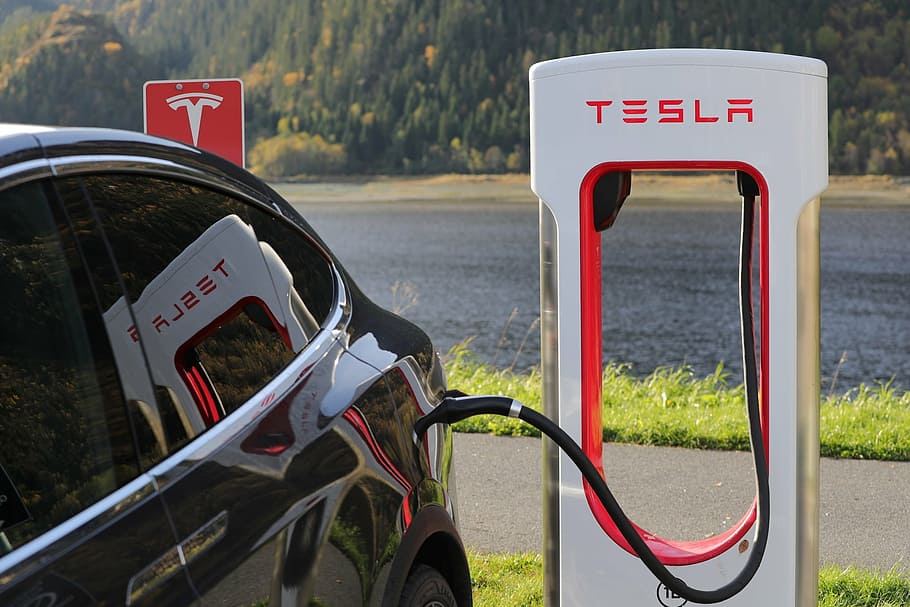
On Thursday, an en banc panel of the Fifth Circuit heard oral argument in Tesla Inc. v. NLRB, where conservative judges expressed skepticism regarding the NLRB’s determination that Elon Musk’s tweet about workers losing stock options if they unionized was a threat. The case centers on Musk’s 2018 post responding to a question about unions on Twitter, the platform that Musk bought in 2022 and has since renamed “X.” The NLRB ruled in 2021 that the tweet constituted an illegal threat and ordered Musk to delete the tweet. A three-judge Fifth Circuit panel upheld the ruling last year, but the full court granted Tesla’s request to reconsider the case en banc. The judges questioned the order requiring the deletion of the tweet and whether Twitter should enjoy less protection than other forms of communication. Tesla’s lawyer argued that the NLRB hasn’t had a court uphold a violation on “speech that’s in the digital public square and that is involving not just employees, but predominantly in fact, public figures and members of the public.” The court also wrestled with Tesla’s First Amendment arguments against the NLRB’s finding that Musk’s tweet was a threat in violation of federal labor law. The NLRB’s lawyer stressed that the Supreme Court’s 1969 decision in NLRB v. Gissel Packing Co. mandates a deferential review of a board finding that an employer statement had a tendency to coerce workers. But judges pushed back, claiming Gissel is inapplicable because the statement was made on Twitter, and thus outside of the employer-employee relationship. The case could impact the NLRB’s role in monitoring employer speech for potential coercion and threats, influencing how speech in the digital public square implicating labor law is treated.
On Thursday, the University of California regents postponed for at least a year any action on a proposal to permit the hiring of undocumented immigrants on campus, citing “significant risks to the institution.” In 2022, student organizers initiated a campaign advocating for the hiring of immigrants without consideration of their legal status, arguing that federal law does not explicitly prevent state entities like the university system from employing undocumented individuals. In May 2023, UC leadership committed to having a working group create an implementation plan for the proposal across the system’s 10 campuses. However, in November, they announced a delay in the plan’s release, citing legal considerations. Their decision to delay comes after 25 undocumented students initiated a hunger strike earlier this week, urging university leaders to move forward with the plan.
On Wednesday, the NLRB filed an unfair labor practice complaint against Walmart for unlawfully interrogating employees about their unionization efforts at a California store. The complaint, issued by an NLRB regional director, alleges that Walmart managers in Eureka, California, violated federal labor law by intimidating workers involved in union activities. According to the complaint, Walmart management maintained an illegal handbook policy and tore up pro-union flyers in the break room in front of employees. The complaint is one of 21 other unfair labor practice charges pending against Walmart.





Daily News & Commentary
Start your day with our roundup of the latest labor developments. See all
October 13
Chicago hotel workers remain on strike; a coalition of Democratic states sues the Labor Department over canceled unemployment insurance grants; the Federal Labor Relations Authority establishes a new mediation framework for federal worker disputes.
October 12
Workers at the Obama Foundation begin organizing; MLB submits its latest collective bargaining agreement proposal; Brigham & Women's nurses postpone strike.
October 11
UAW President Shawn Fain succeeds in his reelection bid, and Spanish unions call for a general strike.
October 9
DHS proposes a $100k fee for the foreign grad employment program; Trump suspends tech company access to green card program; and private equity perpetuates poor working conditions for home care workers.
October 8
NLRB judge finds UPS unlawfully restricted union insignia; Harvard graduate workers authorize second strike; OSHA orders Union Pacific to pay $300,000 in damages in whistleblower case.
October 7
DOL scraps plan to remove decades-old wage-and-hour guidance from federal regulations; New York enacts personnel records access law; Starbucks loses bid to dismiss Workers United trademark suit.