
Holden Hopkins is a student at Harvard Law School.
In today’s news and commentary, Boston University Graduate Workers are striking today, Michigan House staffers are organizing their own union drive, and new data reveals the economic benefits of unionization.
On March 12th, the Boston University Graduate Students Union (BUGWU) voted overwhelmingly to authorize today’s strike. Negotiations had been ongoing with Boston University, though the union says the latest offers from management have not come close to meeting the demands of graduate workers. In addition to raises which BUGWU claims are necessary to meet the cost of living in Boston, workers are seeking job security provisions, childcare, and better health and dental benefits. Today’s strike is beginning with a noon “Launch Rally” at BU’s Marsh Plaza, and is set to continue with pickets every weekday.
The Michigan Legislature has been the source of key legislative victories for labor recently, most notably including their repeal of the State’s “right-to-work” law last year. Now, legislative staffers in the Michigan House are pushing for union representation. At issue for the staffers include pay disparities, long hours, and high turnover rates.
Bloomberg Law’s Quarterly Union Wage Data report shows that new contracts signed in 2023 by a number of unions have resulted in the highest average first-year wage increase since 1988, when tracking began. On average, union workers will earn 6.6% more this year as a result of those contracts, and 7.3% more when lump-sum payments like signing bonuses are included.
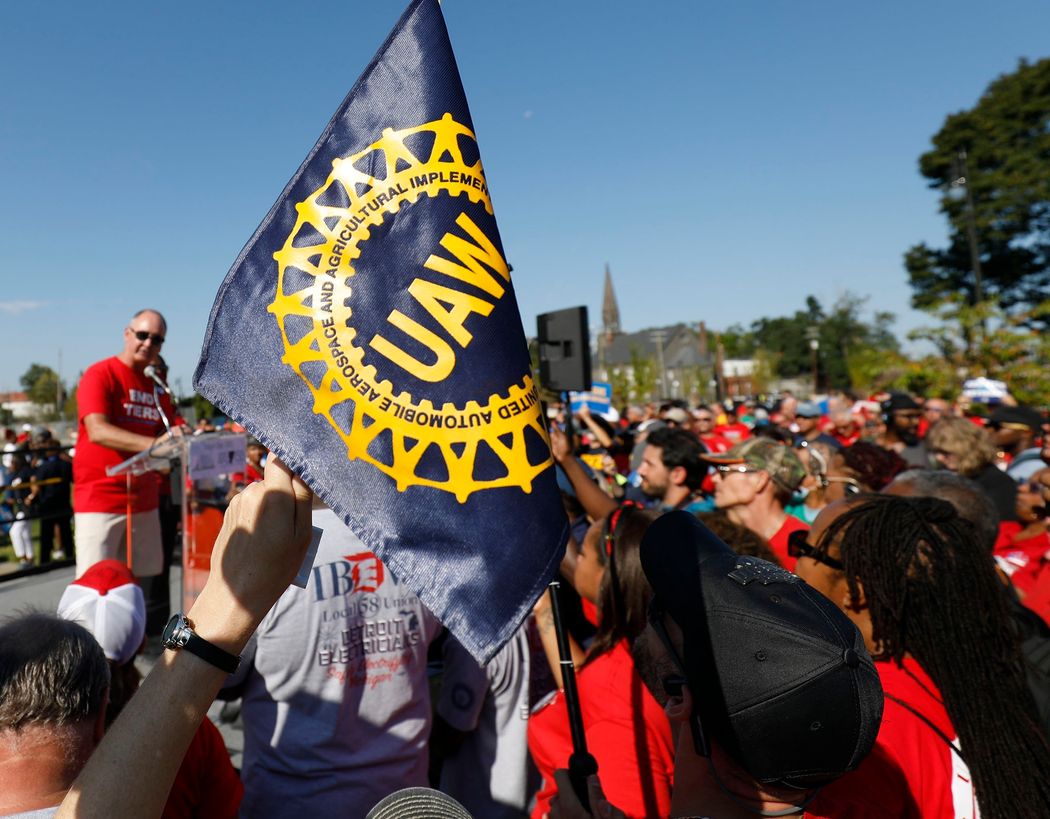
This report comes on the heels of another recent analysis of 2022 Federal Reserve and BLS data conducted by the Center for American Progress which found a “wealth gap” between union and non-union households. That study found that unionized workers make about 10%-20% more than their non-union peers. The benefits are not solely being felt by union members, however. As Sunah and Will reported last year, several non-union automakers granted their workers raises in the wake of the UAW’s contract with the “Big Three” automakers.
The AFL-CIO summed up the recent data findings in a tweet, stating, “When we fight together, it pays off—literally.”





Daily News & Commentary
Start your day with our roundup of the latest labor developments. See all
October 14
Eleventh Circuit overturns ERISA exhaustion rule; DHS finalizes removal of automatic renewal for work permits; AFGE challenges SSA over flexible scheduling policy.
October 13
Chicago hotel workers remain on strike; a coalition of Democratic states sues the Labor Department over canceled unemployment insurance grants; the Federal Labor Relations Authority establishes a new mediation framework for federal worker disputes.
October 12
Workers at the Obama Foundation begin organizing; MLB submits its latest collective bargaining agreement proposal; Brigham & Women's nurses postpone strike.
October 11
UAW President Shawn Fain succeeds in his reelection bid, and Spanish unions call for a general strike.
October 9
DHS proposes a $100k fee for the foreign grad employment program; Trump suspends tech company access to green card program; and private equity perpetuates poor working conditions for home care workers.
October 8
NLRB judge finds UPS unlawfully restricted union insignia; Harvard graduate workers authorize second strike; OSHA orders Union Pacific to pay $300,000 in damages in whistleblower case.