
Maya Levkovitz is a student at Harvard Law School.
In today’s News and Commentary, Philadelphia utility workers announce July 4 strike, national parks workers vote to unionize, and Michigan considers a “right to disconnect” bill.
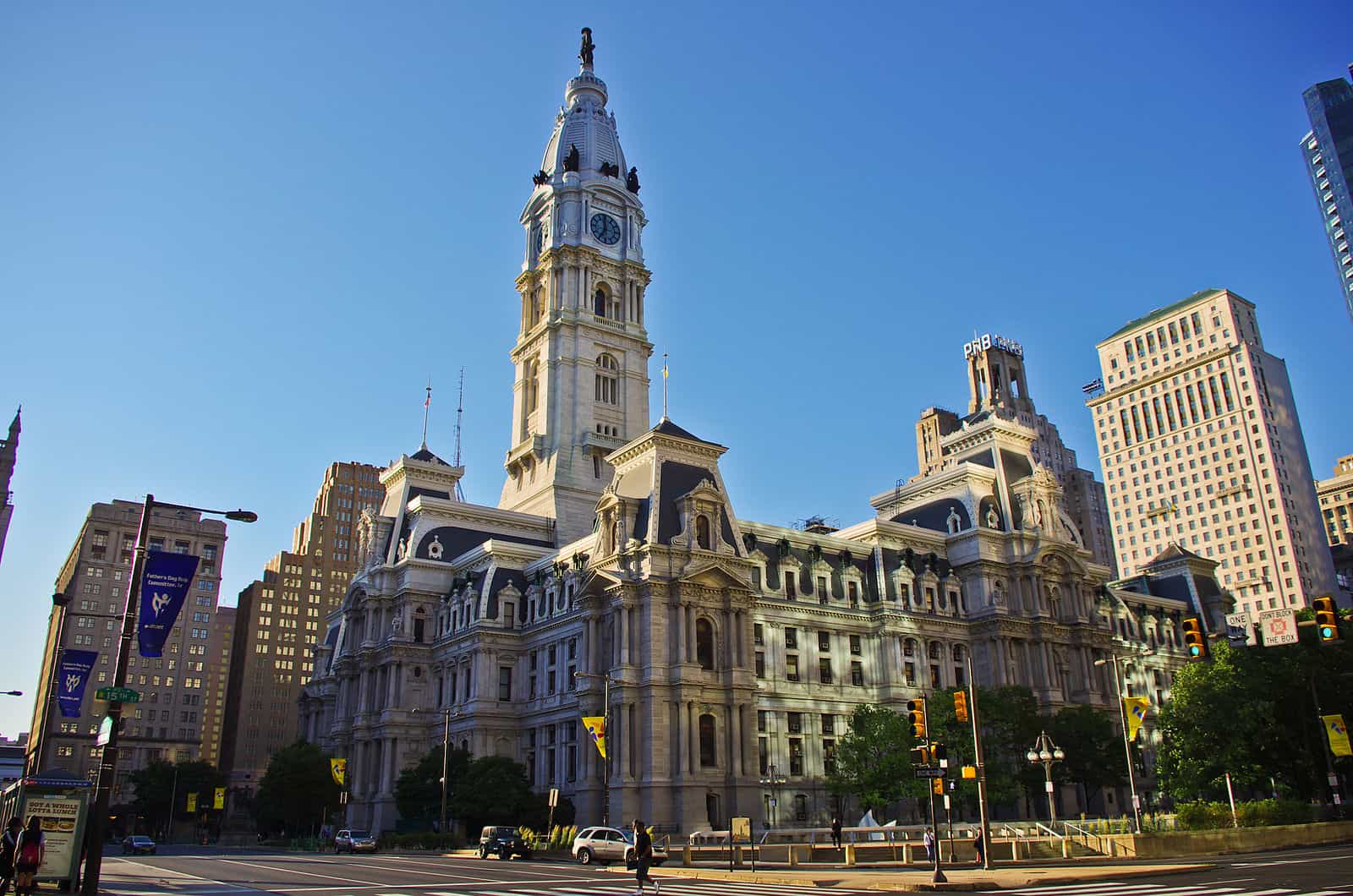
On Thursday, over 1,600 employees of PECO, the Philadelphia electricity company, announced plans to strike on July 4, in what would be the first work stoppage in the utility’s 145-year history. Represented by IBEW Local 614, PECO’s linemen, gas technicians, call center workers, and mechanics have been negotiating a new contract for over five months, during which time the previous contract expired. The issues at the center of the dispute are wages, benefits, and retirement funds, with the union claiming that PECO workers make 30 percent less than their counterparts at other utilities in Pennsylvania and New Jersey. The workers rejected PECO’s proposed wage increase of 20 percent for linemen and 16 percent for call center employees over five years, which the utility described as “fair.” PECO’s 1.7 million ratepayers across four counties in Philadelphia brace for the impact of the work stoppage on the electric grid amidst preparations for the 250th anniversary celebrations on Fourth of July weekend. Lawrence Anastasi, President of IBEW Local 614, said that the union “didn’t take this situation lightly. We know how important our work is…this is what happens when you don’t share.”
Also on Thursday, employees of 12 national parks, including Glacier National Park, voted to unionize with NTEU Chapter 347. Over 650 workers joined their counterparts at Sequoia & Kings Canyon and Yosemite national parks in unionizing in response to staff reductions at the National Parks Service. Due to federal worker layoffs and early retirements, Glacier has seen a 25 percent decrease in year-round staff since President Trump took office. The union will be open to all seasonal and permanent employees, including park rangers, scientists, and administrative staff. The final tally was 317 to 11, which Peri Sasnett, interim union officer and Glacier employee, said “goes to show that workers want this, workers want the protection of a union.” The FLRA is expected to certify the vote on Monday.
Finally, the Michigan legislature is considering the Workplace Employee Boundaries Act, a bill which would establish a “right to disconnect.” If passed, the law would prohibit employers from mandating employees to respond to workplace communications outside of normal working hours. Employers would have the option to compensate employees for being on call, with employees setting hours of expected after-hours availability. Violations reported to the state’s Department of Labor and Economic Opportunity would be met with fines or mandatory overtime pay, which critics argue could be harmful to small businesses who depend on the institutional knowledge of fewer employees. State Senator Erika Geiss, who introduced the bill to the Michigan Senate, said about her proposal that “[i]n an increasingly ‘always-on, always available’ economy, we must take action to protect workers and create stronger boundaries.” If the bill passes, it would be the first “right to disconnect” law in the U.S., following similar initiatives in Australia, Portugal, and other countries across Europe and Latin America.





Daily News & Commentary
Start your day with our roundup of the latest labor developments. See all
October 12
Workers at the Obama Foundation begin organizing; MLB submits its latest collective bargaining agreement proposal; Brigham & Women's nurses postpone strike.
October 11
UAW President Shawn Fain succeeds in his reelection bid, and Spanish unions call for a general strike.
October 9
DHS proposes a $100k fee for the foreign grad employment program; Trump suspends tech company access to green card program; and private equity perpetuates poor working conditions for home care workers.
October 8
NLRB judge finds UPS unlawfully restricted union insignia; Harvard graduate workers authorize second strike; OSHA orders Union Pacific to pay $300,000 in damages in whistleblower case.
October 7
DOL scraps plan to remove decades-old wage-and-hour guidance from federal regulations; New York enacts personnel records access law; Starbucks loses bid to dismiss Workers United trademark suit.
October 6
Protect College Sports Act dampens athlete unionization outlook; Stanford RA union decides to withdraw petition