
Jacqueline Rayfield is a student at Harvard Law School.
In today’s News and Commentary, Union-negotiated pay raises hit an all-time high, the National Labor Relations Board rules that Apple illegally interrogated staff about their union, and the Senate Health, Education, Labor, and Pensions (HELP) Committee will be marking up the PRO Act.
For likely the first time ever, union negotiators have secured an average first-year pay raise of 7%. This average makes the 8th straight quarterly increase in pay raises negotiated in union contracts. Some worry that this increase could cause employers to drag their feet in the hundreds of workplaces that have unionized but still have not ratified their first contract. However, for most represented workers hoping to keep up with inflation, these pay increases are a significant win.
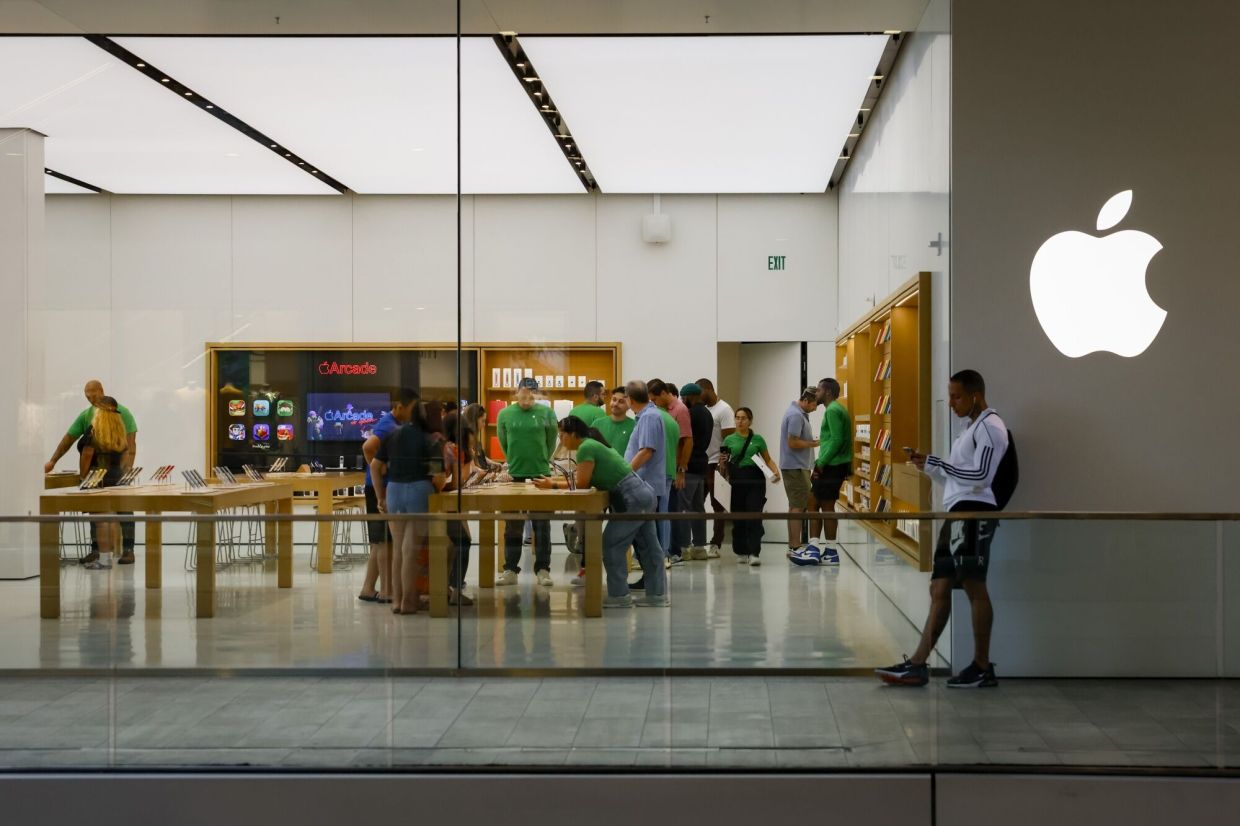
Yesterday, an NLRB judge ruled that Apple violated its New York store employees’ rights by interrogation workers about their legally protected activity with the union. The judge held that Apple must cease confiscating union literature and interfering with employee’s exercise of their rights. However, Apple’s actions against their workers and union activity had already halted the organizing campaign by the case’s first hearing in January.
Today, the Senate HELP Committee will be marking up the landmark PRO Act—one of the most significant labor law reforms in modern American history. The PRO Act aims to make it easier for workers to form a union by repealing state “right-to-work” laws, which undermine union organizing. The chairman of the HELP Committee, Sen. Bernie Sanders, discussed the PRO Act and accompanying legislation in detail yesterday afternoon.





Daily News & Commentary
Start your day with our roundup of the latest labor developments. See all
October 12
Workers at the Obama Foundation begin organizing; MLB submits its latest collective bargaining agreement proposal; Brigham & Women's nurses postpone strike.
October 11
UAW President Shawn Fain succeeds in his reelection bid, and Spanish unions call for a general strike.
October 9
DHS proposes a $100k fee for the foreign grad employment program; Trump suspends tech company access to green card program; and private equity perpetuates poor working conditions for home care workers.
October 8
NLRB judge finds UPS unlawfully restricted union insignia; Harvard graduate workers authorize second strike; OSHA orders Union Pacific to pay $300,000 in damages in whistleblower case.
October 7
DOL scraps plan to remove decades-old wage-and-hour guidance from federal regulations; New York enacts personnel records access law; Starbucks loses bid to dismiss Workers United trademark suit.
October 6
Protect College Sports Act dampens athlete unionization outlook; Stanford RA union decides to withdraw petition