
James Blanchfield is a student at Harvard Law School.
In today’s News and Commentary, Hyundai workers approach a potential strike, the National Treasury Employees Union sues the IRS for banning pro-union posters, and former federal employees run for Congress as pushback against the Trump Administration grows.
In Korea, the workforce at Hyundai Motor is approaching a breaking point after a labor relations commission ruled that the carmaker must bargain directly with its in-house subcontractor unions. This decision comes as Hyundai Motor’s primary union failed to reach an agreement with management in the latest negotiations, setting up a potential strike on June 25. The union is demanding that 30% of Hyundai’s net profits be paid to the workers as performance pay, and also has raised concerns about the recent deployment of humanoid robots on the production floor. The goal for the workers is to secure fixed wages regardless of working hours, given the risk that the introduction of these robots may reduce overtime and thus reduce worker compensation. Hyundai management claims that the robots will be deployed first in plants outside Korea, including in the United States, but the union is not backing down from its position. With the two sides so diametrically opposed and the fact that both the primary union and the subcontractors’ unions are all bargaining simultaneously, a strike appears increasingly likely.
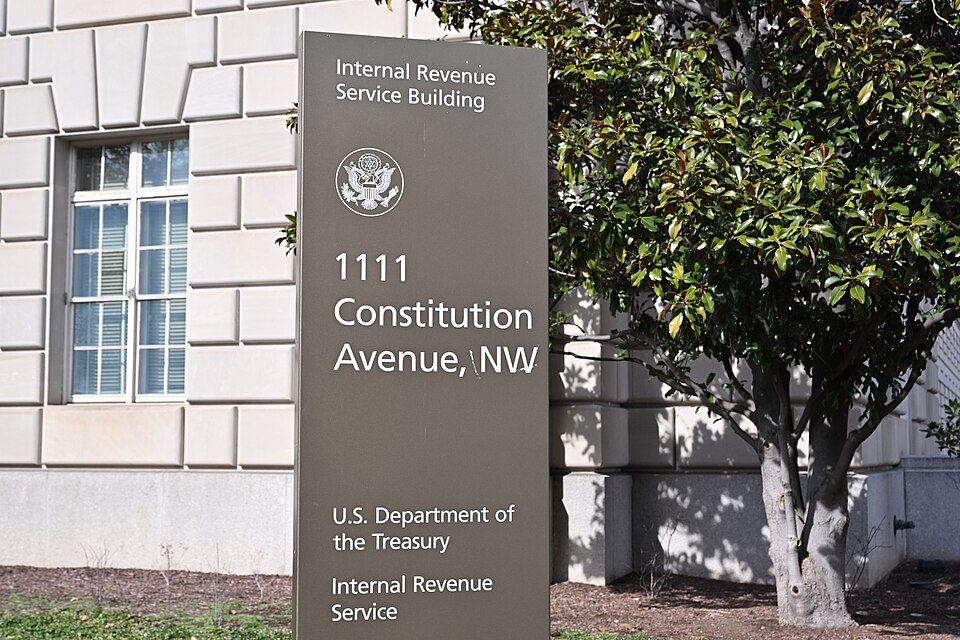
In Washington, the National Treasury Employees Union (NTEU) has filed a lawsuit against the IRS, claiming that the IRS violated its employees’ First Amendment rights by banning pro-union displays in the workplace. In the latest Trump Administration attack on federal workers unions, IRS leadership directed its facilities managers to throw out NTEU materials displayed by agency employees. This comes after the IRS told employees in February that it was cancelling its contract with the NTEU, which the union is also challenging in court. NTEU filed its complaint in the U.S. District Court for the District of Columbia, saying that the IRS directive is clear viewpoint discrimination. The complaint cites various examples of hostile IRS management behavior, including papering over an NTEU bulletin board and throwing away union flags in the restroom trash. Doreen Greenwald, the union’s president, spoke out against the Administration’s actions, saying, “NTEU will not stand for the Administration’s effort to retaliate against us for our advocacy and to try to erase NTEU from the workplace.”
The Trump Administration’s aggressive overhaul of administrative agency has led to an increased number of former government employees running for Congress. Dozens of former federal workers have decided to run for seats after retiring, resigning, or being pushed out of their job in the last year. Examples include former Justice Department prosecutor Zach Dembo of Kentucky, former senior lawyer at the Department of Commerce Eric Chung of Michigan, and former navy admiral Nancy Lacore of South Carolina. The candidates are emphasizing their history of public service, their commitment to the Constitution, and their opposition to the corruption they currently see in Washington. While it the success of the campaigns is yet to be seen, the rise of these candidates signifies a strong pushback against the Trump Administration’s treatment of federal employees.



Daily News & Commentary
Start your day with our roundup of the latest labor developments. See all
October 26
Harvard dining workers authorize strike; New York City bans horse carriages; Brooklyn nurses rally in support of colleague.
October 25
Dallas Cowboys Cheerleaders unionize; Bureau of Prisons again pushes for union contract cancellation; CSU faculty votes on strike authorization.
October 23
Employers increasingly shift health care costs onto workers and NYC proposes placing restrictions on fully automated customer service.
October 22
SCOTUS declines Wilcox appeal; Penn State research assistants win bargaining rights; SEIU sued over military leave firing.
October 21
DOL withdraws tipped-worker rule; Instacart settles hiring-bias claims; Phillips 66 locks out New Jersey refinery workers.
October 20
Korean unions oppose labor exemption bill; Portland city workers prepare for strike; UPenn grad student union looks to dismiss university filing