
Holt McKeithan is a student at Harvard Law School.
In today’s News and Commentary, OSHA reaches a settlement with Dollar General over unsafe work conditions, union leaders split over support for Biden, and a report shows the number of Americans making low wages has sharply decreased.
In September, Bloomberg reported a slew of hazardous working conditions at Dollar General stores around the country, including intentionally blocked fire-exits, electrical hazards, and workers stabbed and threatened by customers. Yesterday, OSHA reached a settlement with Dollar General agreeing to significantly reduce store inventory to avert hazards, pay $12 million, create new safety protocols, and potentially pay $100,000 a day if future hazards aren’t fixed. Julie Siu, acting Labor Secretary, said the settlement should “end this practice of constantly finding violations, fining them, and then seeing the violations repeat.”
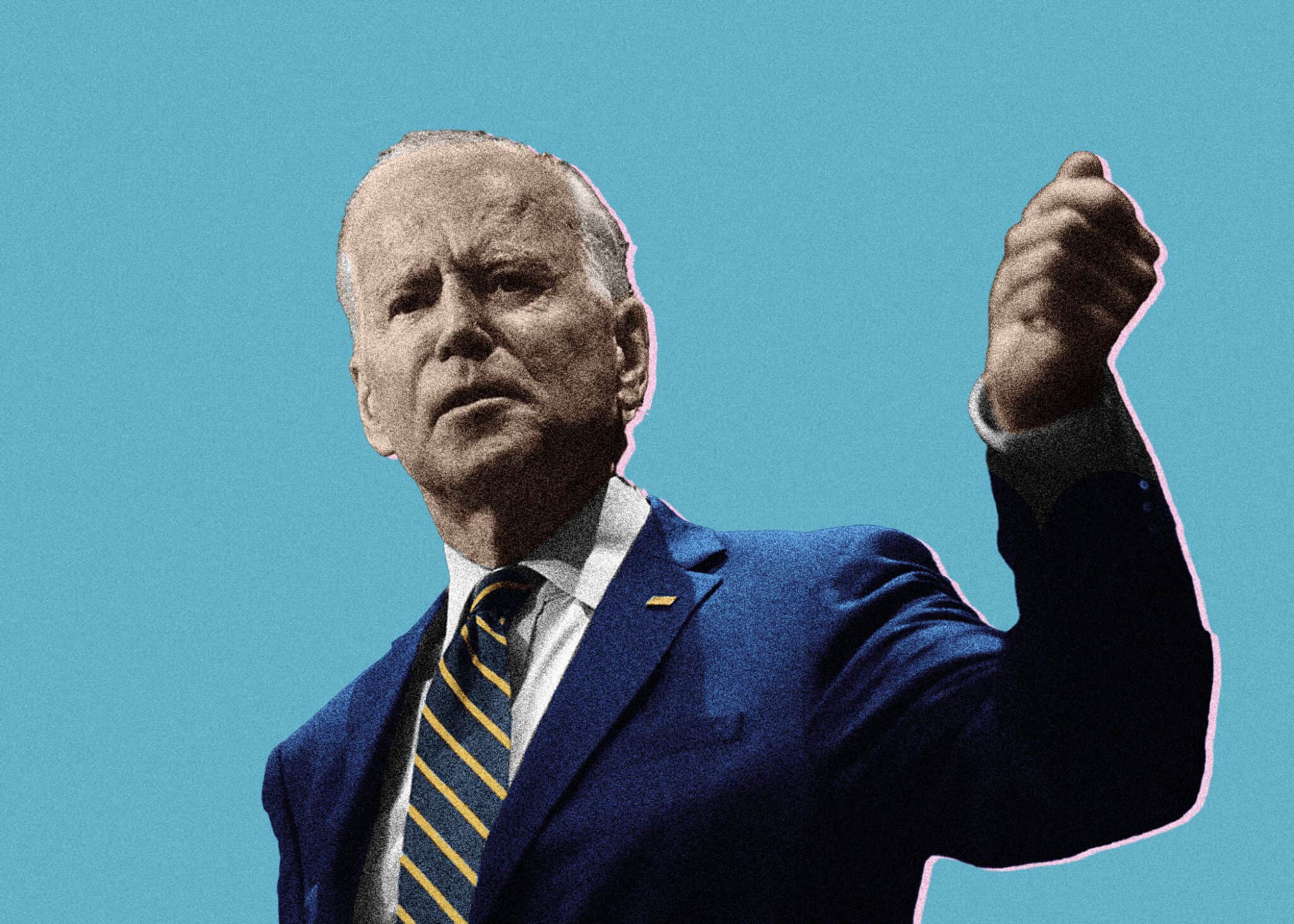
Yesterday, the presidents of the UAW and Association of Flight Attendants met privately with President Biden’s staff to discuss his campaign. Shawn Fain and Sara Nelson suggested that Americans’ doubts about Biden’s reputation are damaging his ability to do his job. But other leaders have continued to back Biden. As Divya wrote yesterday, the AFL-CIO, Teamsters, and International Brotherhood of Electrial Workers have also continued to back the president.
An Oxfam report shows that the percentage of Americans earning less than $15 an hour has sharply decreased over the last two years. In 2022, 31.9% of Americans earned less than that wage. That percentage is down to 13% in 2024. Even after adjusting for inflation, 23% of Americans are making what Oxfam defines as low wages.

Daily News & Commentary
Start your day with our roundup of the latest labor developments. See all
July 3
Unions seek a preliminary injunction to prevent USDA downsizing; the D.C. District Court issues a preliminary injunction against new student loan regulations; Matt Bruenig releases an analysis of Starbucks’ ongoing legal battle against Starbucks Workers United.
July 2
First Circuit denies federal worker unions’ mandamus petition; federal court denies preliminary injunction against new union reporting rule; House introduces the Securing Agriculture’s Workforce Act.
July 1
Trump nominates Keith Sonderling as Labor Secretary; DOL eliminates disparate-impact liability from Title VI regulations; OPM finalizes rule allowing suitability-based removal of federal employees for post-appointment conduct.
June 30
SCOTUS ends removal protections for agencies; staff at NYC cocktail bar vote to unionize.
June 29
In today’s News and Commentary, student-athletes file a class action suit challenging the NCAA’s new Age-Based Rule, a federal judge declines to issue a preliminary injunction against FEMA’s reduction in force but expedites proceedings, and Gavin Newsom opposes California’s proposed billionaire tax in favor of a federal approach. On Thursday, DeJuan Campbell, at basketball player […]
June 28
Philadelphia utility workers announce July 4 strike; national parks workers vote to unionize; Michigan considers “right to disconnect” bill.