
Divya Nimmagadda is a student at Harvard Law School.
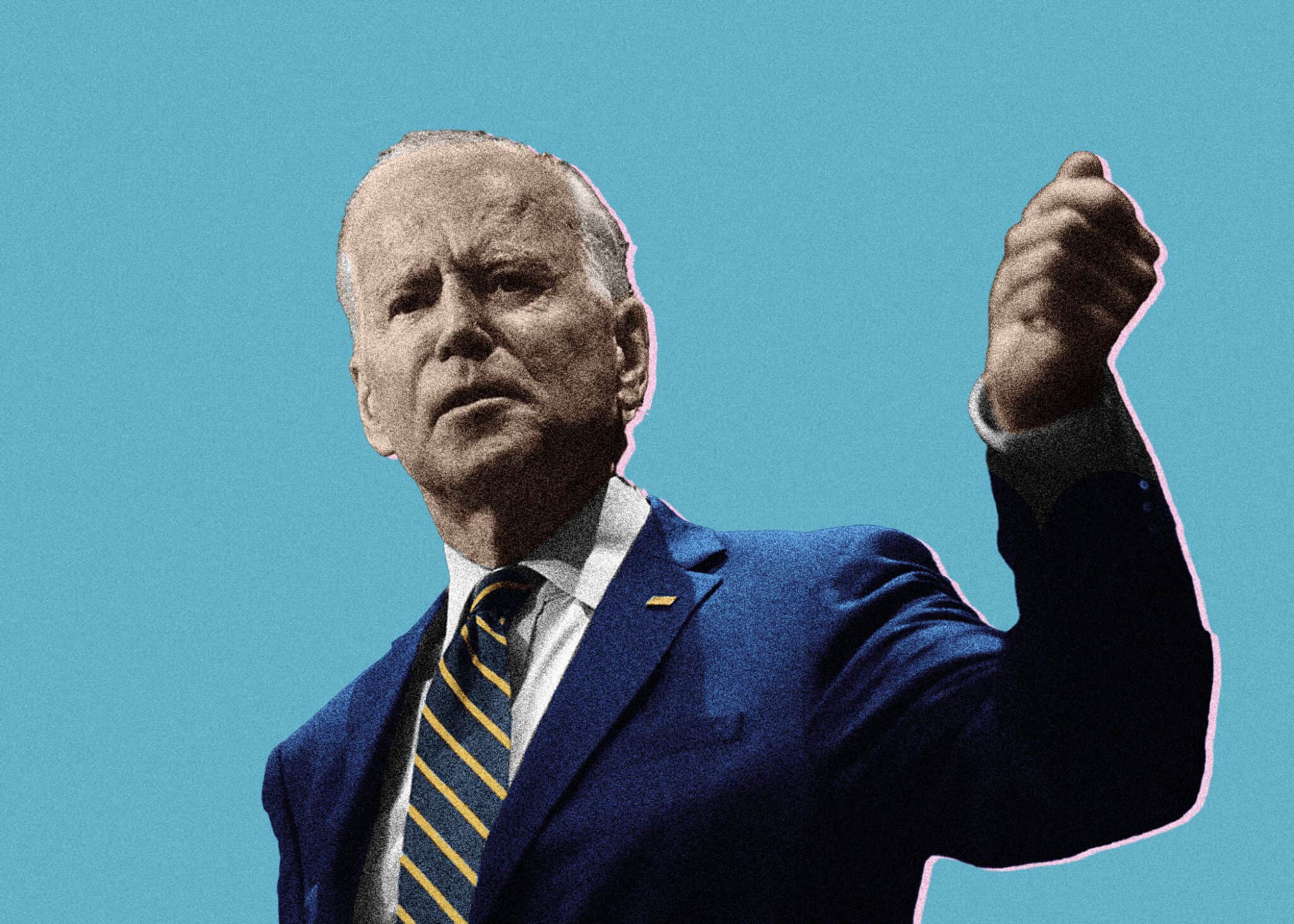
President Biden met with the AFL-CIO executive council Wednesday as he attempts to secure union support in the upcoming election. The union’s president, Liz Schuler, explicitly backed the President’s reelection campaign, remarking upon his championship of manufacturing and clean energy jobs. Schuler joins other union leaders in their sustained support of the President, even amidst growing public opposition to his reelection campaign. David McCall of the United Steelworkers stated that the union “proudly supports” the President, and the American Federation of Teachers and International Brotherhood of Electrical Workers echoed similar sentiments. Biden has long courted unions and has made concerted efforts to label himself as the most “pro-union President in American history.” Earlier this week, Biden canceled his speech at the National Education Association’s annual convention after the organization’s staff union went on strike. The President’s campaign commented that, “President Biden is a fierce supporter of unions and he won’t cross a picket line.”
Union support may prove to be critical in the upcoming election. Research by the Associated Press shows that 16% of voters in the 2020 election came from union households, and 56% of them support Biden. The margins provided by these voters may be decisive in the swing states of Michigan, Pennsylvania and Wisconsin. Trump has also directed some campaigning at unions, having met earlier this year with the Teamsters leadership.
Sullivan & Cromwell, a well-known New York law firm, announced a new policy regarding its screening of job applicants. The firm will be using HireRight, a background check company, to review applicants’ social media, news reports and other media for involvement with pro-Palestinian student groups and instances of antisemitism. Joseph Shenker, a past chair of the firm, commented that candidates may be screened even if they themselves were not using “problematic language but were involved with a protest where others did,” in order to protect against a “mob mentality.” If an applicant is found to have participated in a protest that the firm finds objectionable, they will be asked to explain their participation, “including what they did to stop other protesters from making offensive and harassing statements.” Shenker and others in support of the policy are painting it as analogous to other workplace limits on hate speech. To the policy’s critics, it is a blatant attempt to silence student speech on the war. Kenneth Stern, director of the Bard Center for the Study of Hate, commented that the policy fails to “separate unpopular opinions from hateful speech.” While Sullivan & Cromwell is the first to publicly announce such a policy, it is reported that leaders at four other rival law firms are considering a similar approach.




Daily News & Commentary
Start your day with our roundup of the latest labor developments. See all
October 23
Employers increasingly shift health care costs onto workers and NYC proposes placing restrictions on fully automated customer service.
October 22
SCOTUS declines Wilcox appeal; Penn State research assistants win bargaining rights; SEIU sued over military leave firing.
October 21
DOL withdraws tipped-worker rule; Instacart settles hiring-bias claims; Phillips 66 locks out New Jersey refinery workers.
October 20
Korean unions oppose labor exemption bill; Portland city workers prepare for strike; UPenn grad student union looks to dismiss university filing
October 19
FDA reverses course on policy prohibiting off-duty union activity; FAA and NATCA reach deal to secure pay increase for air traffic controllers.
October 18
Federal judge again halts cancellation of the Bureau of Prisons’ CBA; tabletop gaming workers face roadblocks in union recognition.