
Sophia is a student at Harvard Law School and a member of the Labor and Employment Lab.
In today’s news and commentary, multiple labor unions endorse a national general strike, and tech companies spend millions on ad campaigns for data centers.
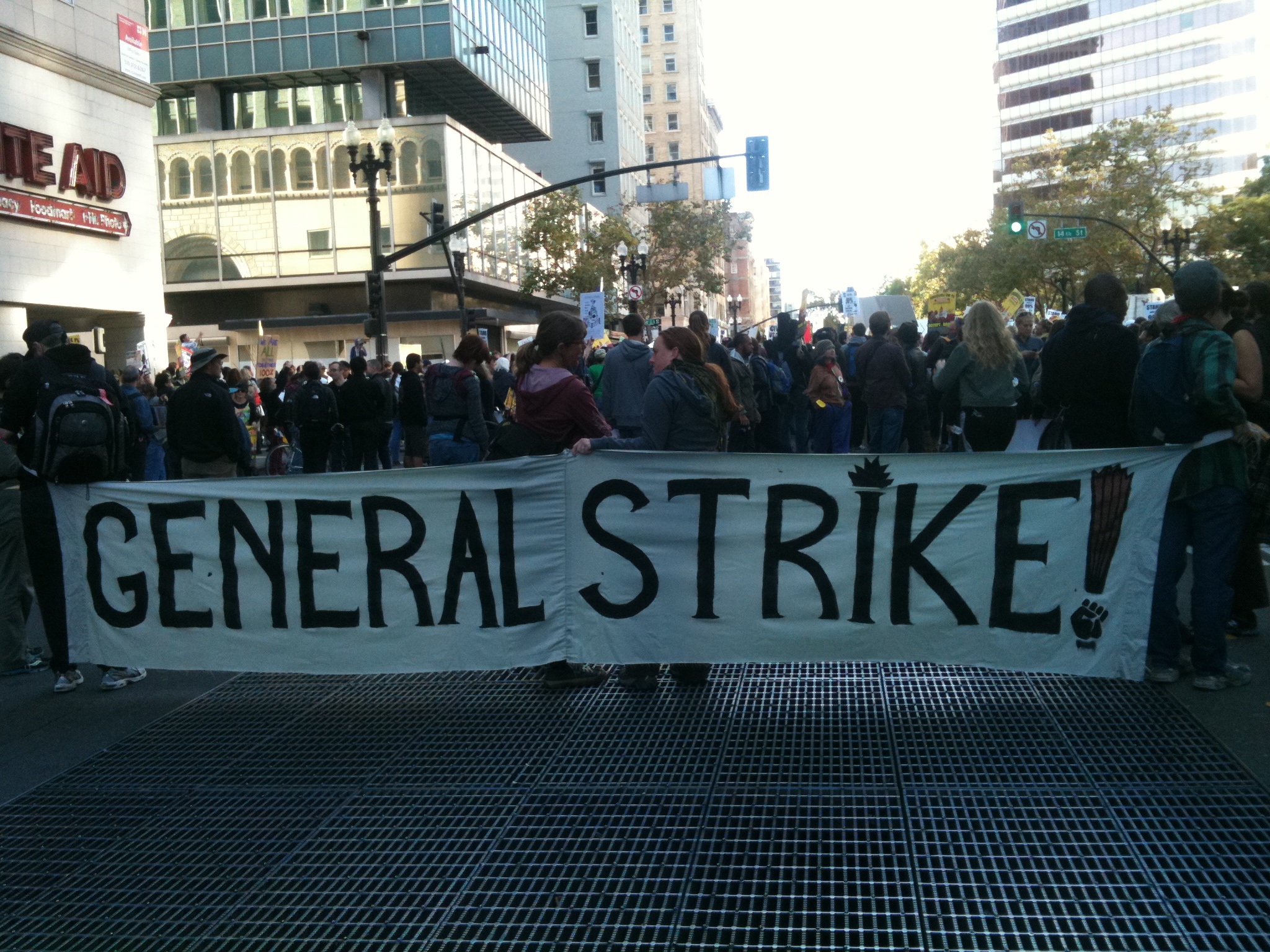
Labor organizations in Minnesota and across the nation are organizing escalations following the murder of Alex Pretti—an intensive care unit nurse and AFGE Local 3669 member—who was shot in the back ten times in five seconds by ICE agents last week. In a press release, President of the National Nurses United (NNU) Mary Turner said that ICE “messed with the wrong profession” and to “never get between nurses and our patients… nurses are forever patient advocates, and that means we will fight to protect you at the bedside and we will fight to protect you in the streets—just as Alex was doing when he was executed in cold blood by [the] Border Patrol.” National outrage following Pretti’s death—in additon to other civilians such as Renee Good—at the hands of federal agents, has inspired a “national shutdown” today entailing “a nationwide day of no school, no work and no shopping.” Hundreds of organizations have endorsed this call to action, including the Harvard Graduate Students Union, Alphabet Workers Union, MIT Graduate Student Union, and the Graduate Labor Union at University of Minnesota.
Despite the evidence that tax breaks for data centers serve more as corporate subsidies than local job stimulators, tech giants are spending millions in advertising to make people believe otherwise. A report by the Ford School of Public Policy found that data centers do not create high-paying, long-term tech jobs in local communities. The initial building of the data centers can create many construction jobs, but they are short-lived—the majority of jobs that are actually created are typically low-wage, term-limited, contracted roles such as janitorial work, security, and maintenance. Americans are well aware that the construction of new data centers in their communities will likely result in higher energy bills, less water, and more air pollution, yet tech companies think these concerns can be solved, if only they hire the right “community affairs” publicist and spend enough on a media campaign.





Daily News & Commentary
Start your day with our roundup of the latest labor developments. See all
October 23
Employers increasingly shift health care costs onto workers and NYC proposes placing restrictions on fully automated customer service.
October 22
SCOTUS declines Wilcox appeal; Penn State research assistants win bargaining rights; SEIU sued over military leave firing.
October 21
DOL withdraws tipped-worker rule; Instacart settles hiring-bias claims; Phillips 66 locks out New Jersey refinery workers.
October 20
Korean unions oppose labor exemption bill; Portland city workers prepare for strike; UPenn grad student union looks to dismiss university filing
October 19
FDA reverses course on policy prohibiting off-duty union activity; FAA and NATCA reach deal to secure pay increase for air traffic controllers.
October 18
Federal judge again halts cancellation of the Bureau of Prisons’ CBA; tabletop gaming workers face roadblocks in union recognition.