
John Fry is a student at Harvard Law School.
In today’s news and commentary, Utah considers weakening public-sector unions; Amazon is accused of union-busting in Kentucky; and Philadelphia unions are helping members buy homes.
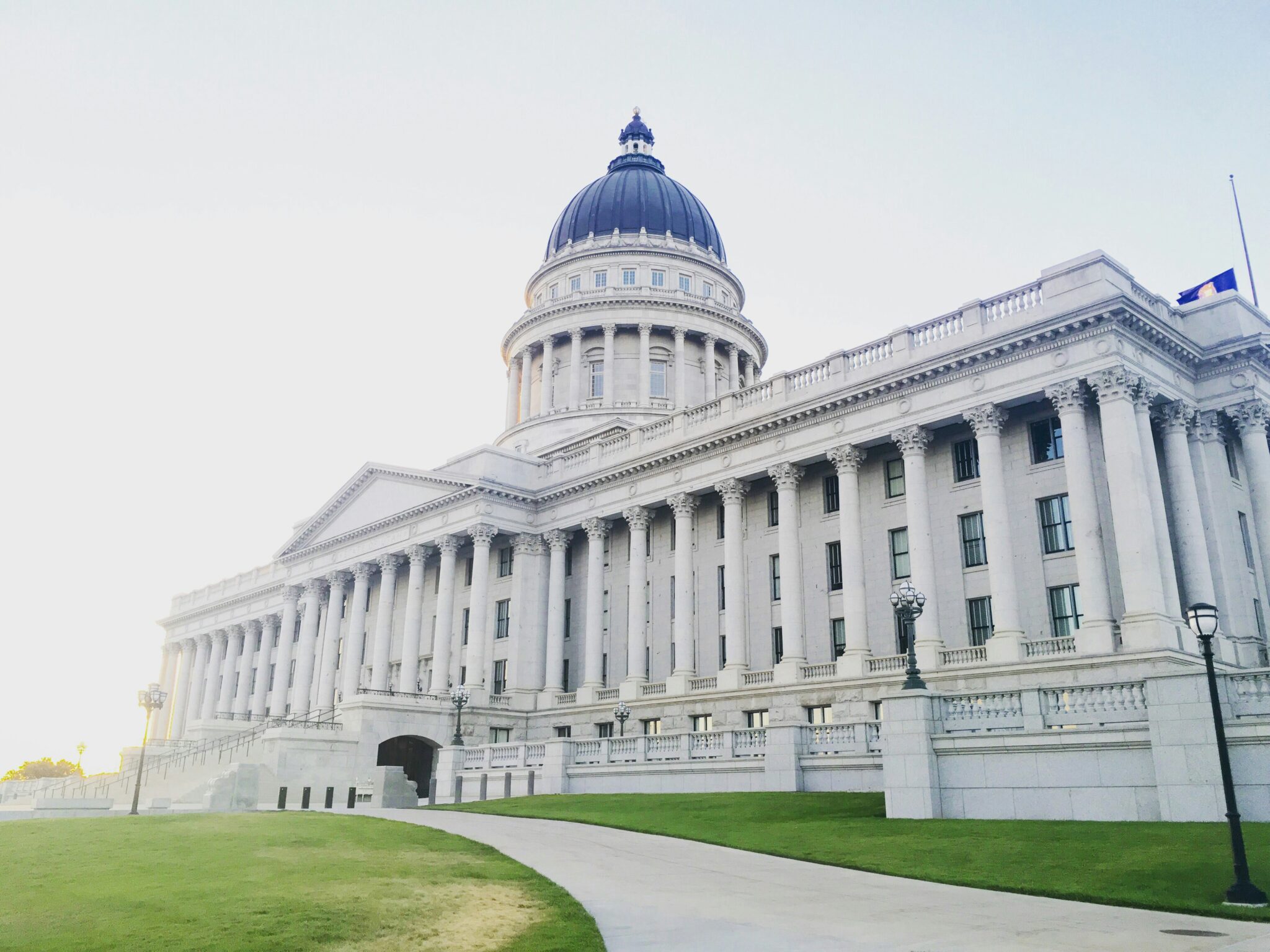
State employees in Utah are speaking out against a proposed bill that would weaken the state’s public-sector unions. Following the lead of Florida, which passed a similar bill last spring, the new law would require public-sector union members to “opt in” to paying dues each year and would require the unions to be re-certified once every five years. As in Florida, the law exempts “public safety” unions, including police and firefighters—widely seen as politically popular groups—from these requirements. As Michelle covered yesterday, these special exemptions can be divisive and hard to define. The head of a Utah firefighters union testified against the bill, saying: “My members, we don’t stand behind our teachers, maintenance workers and everybody else. We stand beside them.” The bill’s proponents insist that it will promote freedom of choice and union democracy.
Amazon is once again accused of union-busting at a Kentucky air hub amid a campaign by the Amazon Labor Union. When Amazon scheduled invite-only captive audience meetings with select groups of workers, organizer Griffin Ritze attempted to join the meetings and rebut the company’s anti-union arguments. As the law stands today, employers have the right to hold these meetings without granting union supporters an opportunity to reply. NLRB General Counsel Jennifer Abruzzo has made it a goal to change this doctrine. As Will covered last month, Amazon has previously attempted to stop union supporters from tabling outside the entrance to the air hub, leading union supporters to file unfair labor practice charges with the NLRB.
Unions in Philadelphia are providing support to help members buy homes, a response to the nationwide housing crisis that has captured increased attention in the labor movement. Helping workers find housing, which constitutes most Americans’ largest expense, is a valuable recruitment tool for unions, reports the Philadelphia Inquirer. The services provided include matching union members with realtors and lenders, discounts on insurance and moving costs, and rebates. The municipal union AFSCME has also held seminars to help members improve their credit ratings. As Ian discussed last month, hospitality workers with UNITE HERE Local 11 in Southern California have made affordable housing a central tenet of their monthslong strike wave.





Daily News & Commentary
Start your day with our roundup of the latest labor developments. See all
October 18
Federal judge again halts cancellation of the Bureau of Prisons’ CBA; tabletop gaming workers face roadblocks in union recognition.
October 16
Department of Labor reduces wage-and-hour enforcement at unionized workplaces; Fain's victory poses question of federal monitor's extension.
October 15
New reporting examines the rollback of child labor protections; California tries to block a strike; NLRB charges Wisconsin mental health provider with firing workers during union drive.
October 14
Eleventh Circuit overturns ERISA exhaustion rule; DHS finalizes removal of automatic renewal for work permits; AFGE challenges SSA over flexible scheduling policy.
October 13
Chicago hotel workers remain on strike; a coalition of Democratic states sues the Labor Department over canceled unemployment insurance grants; the Federal Labor Relations Authority establishes a new mediation framework for federal worker disputes.
October 12
Workers at the Obama Foundation begin organizing; MLB submits its latest collective bargaining agreement proposal; Brigham & Women's nurses postpone strike.