

Ajayan Williamson is a student at Harvard Law School.
In today’s news and commentary, Texas pauses H-1B hiring; the NLRB General Counsel announces new procedures and priorities; and the Fourth Circuit rejects a teacher’s challenge to a pronoun policy.
On Tuesday, Texas Governor Greg Abbott sent a letter to state agencies and universities directing them to cease sponsoring H-1B visas. The order effectively ends state hiring of foreign workers through the visa unless advance permission is obtained from the Texas Workforce Commission; Abbott claimed that the visas have “too often been used to fill jobs that otherwise could—and should—have been filled by Texans.” The move comes in the context of increasing restrictions on the program across the country: last month, a court upheld President Trump’s effort to add a $100,000 fee to the program, and Florida is also set to consider a pause on H-1B hiring at state universities today.
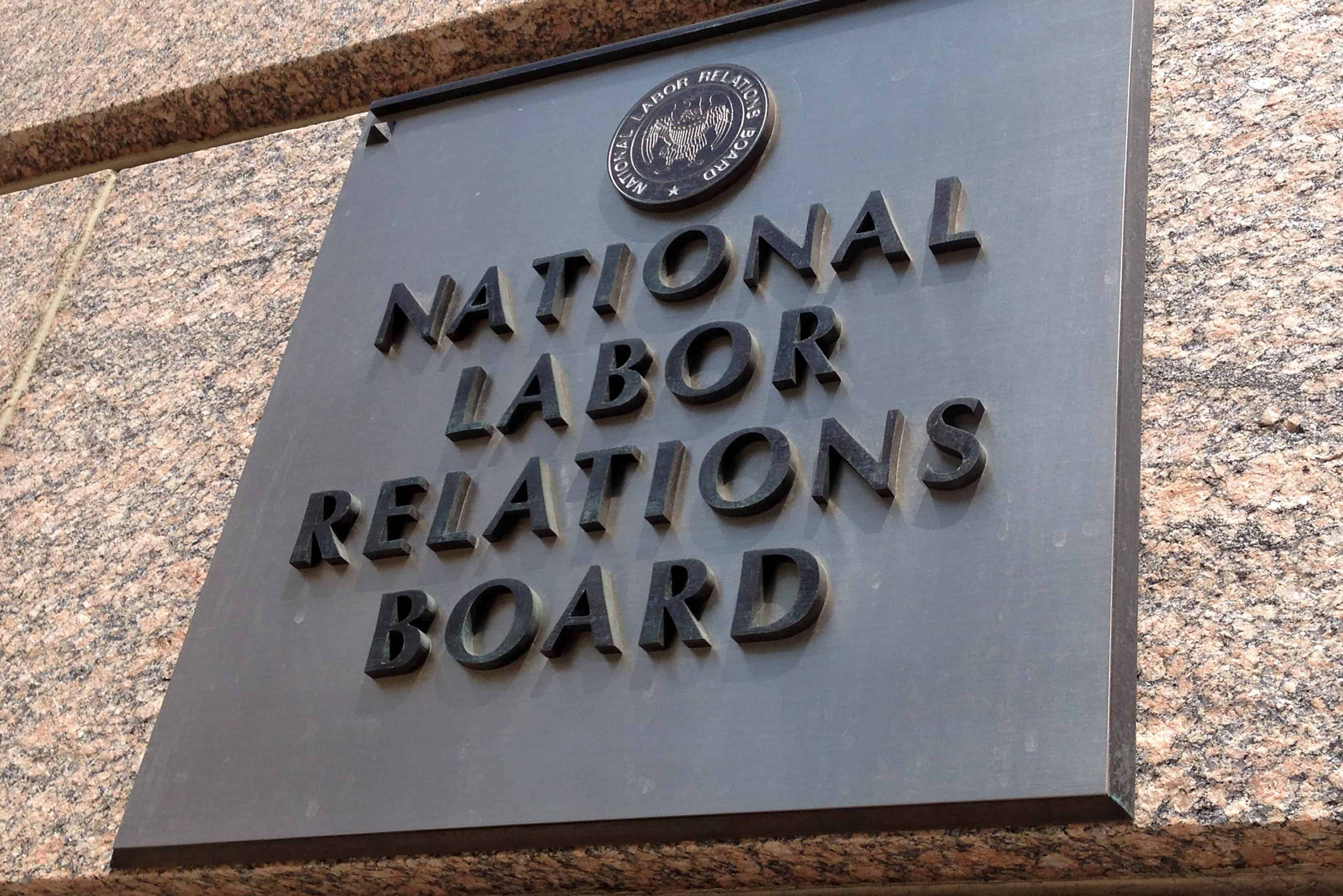
Meanwhile, the NLRB’s new General Counsel, Crystal Carey, announced several changes to her office’s procedures and legal strategy yesterday. As Bloomberg Law reports, the General Counsel traditionally publishes a “Mandatory Submissions to Advice” memo outlining policy priorities and precedents to consider challenging. Carey’s memo declined to identify specific policies or precedents, however, instead stating that her “priority is to address the backlog of cases, not add to it.” Yesterday, Carey’s office also affirmed a new protocol for docketing unfair labor practice charges: rather than immediately assigning cases to a board agent for investigation, charges will be placed on an “unassigned list,” where they will stay until additional documentation is submitted and a board agent becomes available. This change builds on some practices of the Biden administration — though it will delay some initial investigations, Carey’s press release promises that it will “improve[] efficiency by ensuring that cases are not assigned to Board agents who are already carrying heavy caseloads.”
Finally, yesterday the Fourth Circuit ruled against a substitute teacher who claimed a right to a religious accommodation from a school system’s pronoun policy. The plaintiff taught at public schools in Montgomery County, Maryland, where the school district has required that teachers use their students’ preferred pronouns since 2019. Substitute teachers are required to affirm they will follow the district’s guidelines, and the plaintiff declined to do, citing her Christian faith. The court rejected her First Amendment claims, reasoning that the plaintiff failed to allege sufficient hostility towards religion. But with significant cases about trans rights and religious freedom pending in the Supreme Court, this issue is one that may be far from settled.



Daily News & Commentary
Start your day with our roundup of the latest labor developments. See all
March 31
In today’s news and commentary, the Supreme Court hears a case about Federal Court jurisdiction over arbitration, a UPS heat inspection lawsuit against OSHA is dismissed, and federal worker unions and NGOs call on the EPA to cease laying off its environmental justice staffers. A majority of Supreme Court justices signaled support for allowing federal […]
March 30
Trump orders payment to TSA agents; NYC doormen look to authorize a strike; and KPMG positions for mass layoffs.
March 29
The Department of Veterans Affairs re-terminates its collective bargaining agreement despite a preliminary injunction, and the Federal Labor Relations Authority announces new rules increasing the influence of political appointees over federal labor relations.
March 27
“Cesar Chavez Day” renamed “Farmworkers Day” in California after investigation finds Chavez engaged in rampant sexual abuse.
March 26
Supreme Court hears oral argument in an FAA case; NLRB rules that Cemex does not impose an enforceable deadline for requesting an election; DOL proposes raising wage standards for H-1B workers.
March 25
UPS rescinded its driver buyout program; California court dismissed a whistleblower retaliation suit against Meta; EEOC announced $15 million settlement to resolve vaccine-related religious discrimination case.