
Justin Cassera is a student at Harvard Law School.
In today’s news and commentary, Trump delays student loan wage garnishment, Valero Energy Corp. announces layoffs, and a federal court orders a Wisconsin medical care partnership to pay back wages.
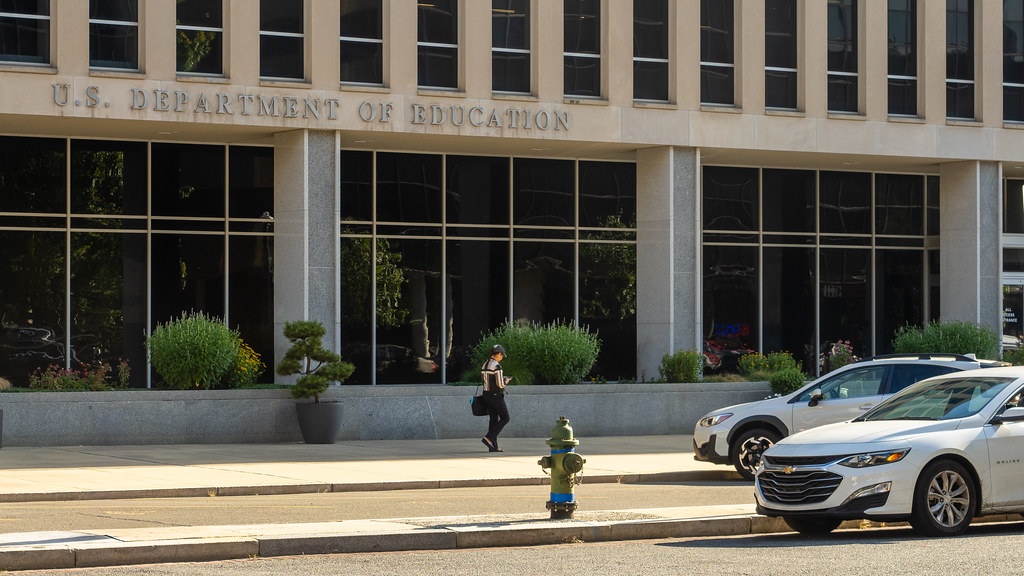
On Friday, the Department of Education announced that it has paused efforts to garnish the wages of borrowers who have defaulted on their student loan payments. Garnishment was slated to begin last week for the first time since the pandemic, but instead will be paused “for a bit.” The decision comes as President Trump and the GOP begin to build an affordability agenda for the 2026 midterms. If the garnishment pause does come to an end, it may affect up to 5 million delinquent borrowers.
On Thursday, Bloomberg News reported that Valero Energy Corporation plans to let go 237 employees at its Benicia refinery as part of its efforts to “wind[] down operations” at the fuel-making plant. The decision to shut down the plant was announced in 2025, and California government efforts to sustain the plant amid fuel shortages have proven unsuccessful. The affected workers are not represented by a union. Valero expects the shutdown to be permanent and to take place sometime between March 15 and July 1 of this year.
On Thursday, the Department of Labor announced that a federal court has ordered North Central Healthcare, a Wisconsin-based medical care partnership, to pay $162,486 in back wages and liquidated damages to 68 employees following periods of unpaid work and overtime. These violations occurred between 2021 and 2023, and the department’s complaint sought relief under the Fair Labor Standards Act. This is one of the first recoveries for the department in 2026, which recovered more than $259 million in back wages for over 176,000 employees in 2025.

Daily News & Commentary
Start your day with our roundup of the latest labor developments. See all
April 1
DOL proposes 401(k) rule; Starbucks investors reelect controversial board members; Washington passes workplace immigration warning requirement.
March 31
In today’s news and commentary, the Supreme Court hears a case about Federal Court jurisdiction over arbitration, a UPS heat inspection lawsuit against OSHA is dismissed, and federal worker unions and NGOs call on the EPA to cease laying off its environmental justice staffers. A majority of Supreme Court justices signaled support for allowing federal […]
March 30
Trump orders payment to TSA agents; NYC doormen look to authorize a strike; and KPMG positions for mass layoffs.
March 29
The Department of Veterans Affairs re-terminates its collective bargaining agreement despite a preliminary injunction, and the Federal Labor Relations Authority announces new rules increasing the influence of political appointees over federal labor relations.
March 27
“Cesar Chavez Day” renamed “Farmworkers Day” in California after investigation finds Chavez engaged in rampant sexual abuse.
March 26
Supreme Court hears oral argument in an FAA case; NLRB rules that Cemex does not impose an enforceable deadline for requesting an election; DOL proposes raising wage standards for H-1B workers.