
Holden Hopkins is a student at Harvard Law School.
In today’s News & Commentary, new reporting on Trump’s Labor Secretary pick and the NLRB rules that Starbucks’ dress code violates labor law.
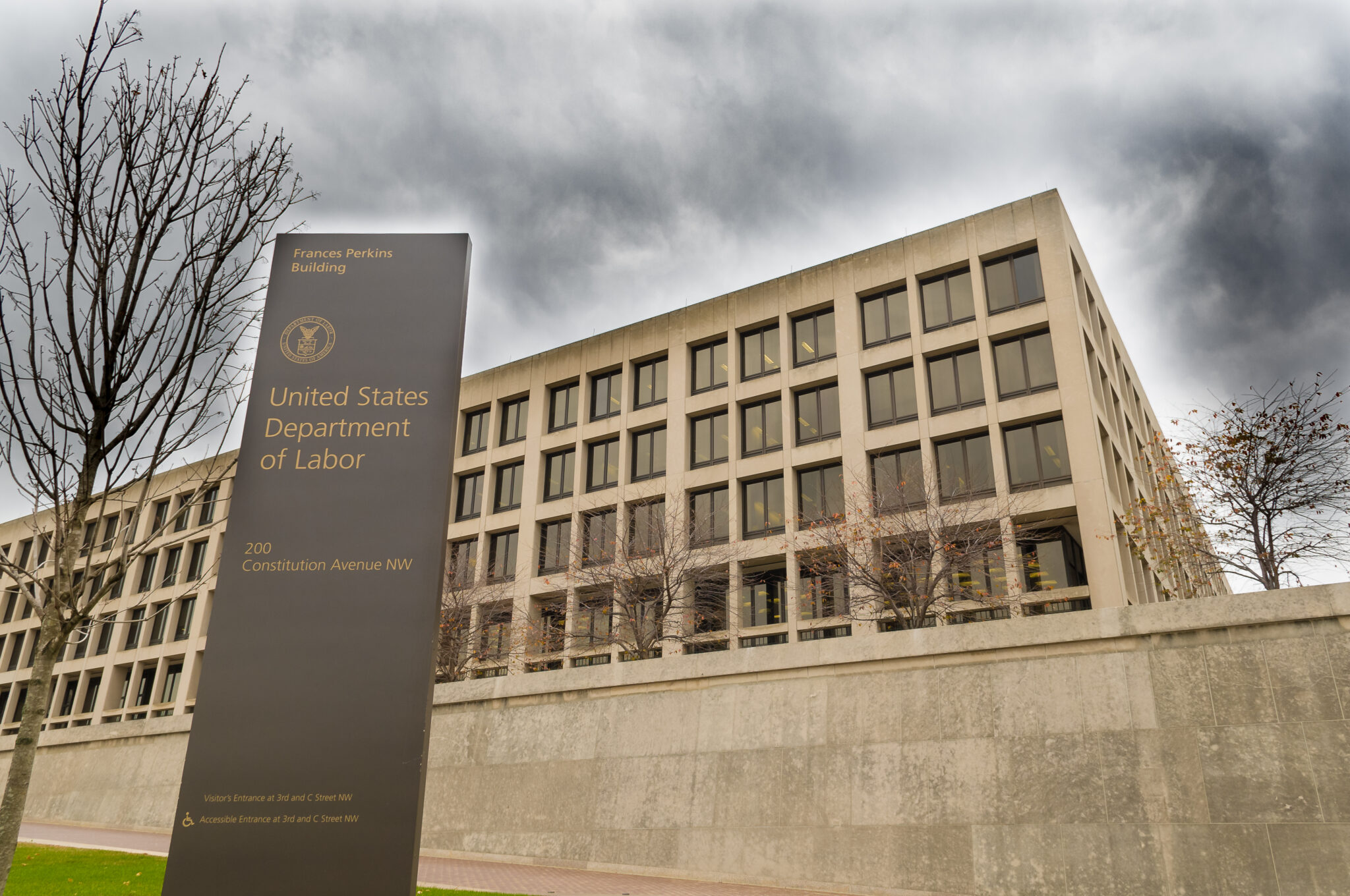
Otto reported last week that President-elect Trump would be nominating Representative Lori Chavez-DeRemer (R-OR), one of the few Republican sponsors of the PRO Act. Her nomination was perceived by some to be a potentially pro-labor move from Trump, who has run repeatedly on populist messaging but delivered a solidly pro-business agenda during his first term.
However, reporting from Josh Eidelson suggests that first appearance may be deceiving. After a number of business groups expressed alarm with the pick of Representative Chavez-DeRemer, members of the transition team reportedly assured them that they would “find Chavez-DeRemer more palatable once the president-elect’s picks for deputy labor secretary and other posts are revealed.” Former Bush-era DoL official Paul DeCamp further pushed the idea that Chavez-DeRemer would serve merely as a symbolic gesture to appease Trump-friendly union leaders like Sean O’Brien, questioning the level of autonomy Secretary Chavez-DeRemer would have. “I really don’t know who is going to be calling the shots,” DeCamp told Eidelson.
Last week, the NLRB ruled against Starbucks’ dress code policy at its New York City Roastery Reserve cafe, finding it violates labor law. The Board panel unanimously determined that the policy—which bans most personal, political, or religious pins and limits workers to the display of just one labor-related pin—is unlawfully broad and limits workers’ rights to organize. The dress code also barred workers from wearing shirts with graphics, including union insignia. In 2022, Starbucks Workers United filed the initial complaint, alleging that managers threatened employees with disciplinary action for wearing union-related apparel.
The Board ordered Starbucks to rescind or revise its dress code and cease other labor law violations.




Daily News & Commentary
Start your day with our roundup of the latest labor developments. See all
October 23
Employers increasingly shift health care costs onto workers and NYC proposes placing restrictions on fully automated customer service.
October 22
SCOTUS declines Wilcox appeal; Penn State research assistants win bargaining rights; SEIU sued over military leave firing.
October 21
DOL withdraws tipped-worker rule; Instacart settles hiring-bias claims; Phillips 66 locks out New Jersey refinery workers.
October 20
Korean unions oppose labor exemption bill; Portland city workers prepare for strike; UPenn grad student union looks to dismiss university filing
October 19
FDA reverses course on policy prohibiting off-duty union activity; FAA and NATCA reach deal to secure pay increase for air traffic controllers.
October 18
Federal judge again halts cancellation of the Bureau of Prisons’ CBA; tabletop gaming workers face roadblocks in union recognition.