
Esther Ritchin is a student at Harvard Law School.
In today’s news and commentary, the NLRB files an injunction against the Pittsburgh Post-Gazette, Cal/OSHA heat enforcement rates have fallen, and Walgreens pharmacy workers hope to unionize.
On Wednesday, August 14, the National Labor Relations Board filed an injunction against the Pittsburgh Post-Gazette, asking a judge to compel the newspaper to reimburse their employees for healthcare costs incurred as a result of the paper’s unilateral changes to employee healthcare, and bring the paper back to the bargaining table for good faith negotiations. This order comes after a nearly two-year strike by a group of employees.
The Los Angeles Times and Capital & Main, found that California was cutting back on enforcement of its heat safety standards, even as temperatures continue to rise. California Division of Occupational Safety and Health (Cal/OSHA) is responsible for enforcing California’s outdoor heat-illness law, which requires protections including shaded break areas and cool drinking water. The investigation conducted by LA Times and Capital & Main found that from 2017 to 2023, Cal/OSHA conducted 30% fewer field investigations and issued 40% fewer violations to employers. The drop in numbers does not reflect improved compliance by employers, according to advocates such as California Rural Legal Assistance and interviews with more than 40 farmworkers in California.
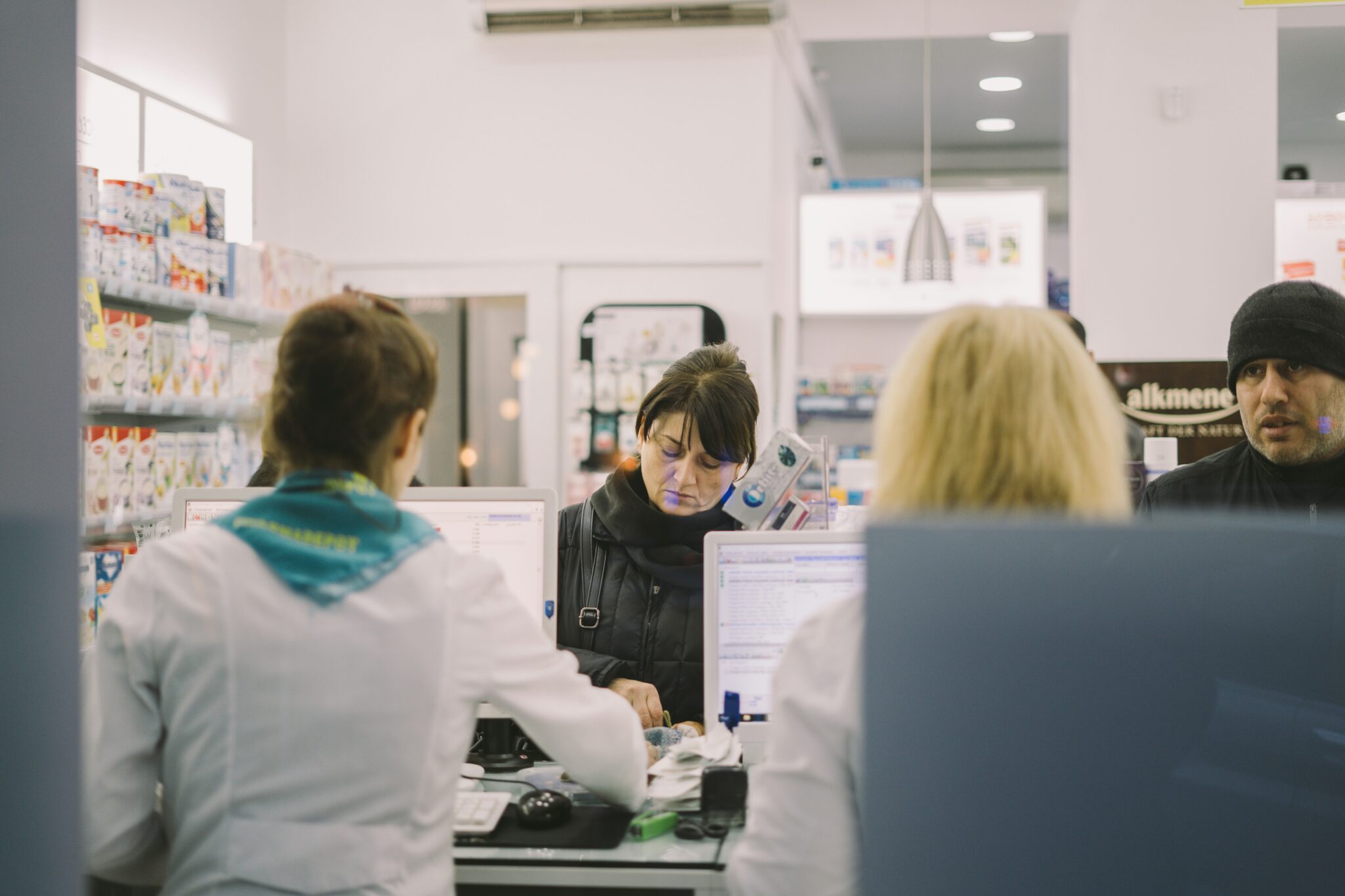
Walgreens pharmacists and technicians at a store in Washington are hoping to be the first Walgreens employees to join the Pharmacy Guild, a union that formed last year in the wake of walkouts throughout the industry. CVS employees at a store in Las Vegas became the first to join the union last year, followed by CVS employees at other stores. The Washington Walgreen workers are hoping for more reasonable workloads and adequate staffing.

Daily News & Commentary
Start your day with our roundup of the latest labor developments. See all
October 2
Gov. Newsom signs bill regulating AI in workplace; federal judge blocks Trump's $100,000 H-1B visa fee.
October 1
Senate confirms Keith Sonderling as Labor Secretary; Amazon warehouse workers launch an unfair labor practice strike.
September 30
Harvard grad union wins in First Circuit; AI data trainers initiate misclassification suits; Trader Joe’s found liable under ERISA.
September 29
Unions, AI companies, and private equity firms form a new coalition to shape data center policies; unions express support for the Paramount-Warner Bros. merger.
September 28
The Protect College Sports Act nears passage in the Senate; San Francisco municipal workers agree to contract extensions.
September 27
The Trump Administration reaches a settlement with federal unions on reduction in force actions; the United Auto Workers file an en banc petition seeking review of a Second Circuit decision regarding labor arbitrations.