John Fry is a student at Harvard Law School.
In today’s news and commentary, Biden urges an auto deal; Starbucks’ civility rule is struck down; Hollywood studios make a new proposal to writers; and the invalidation of a Puerto Rican employment law is affirmed.
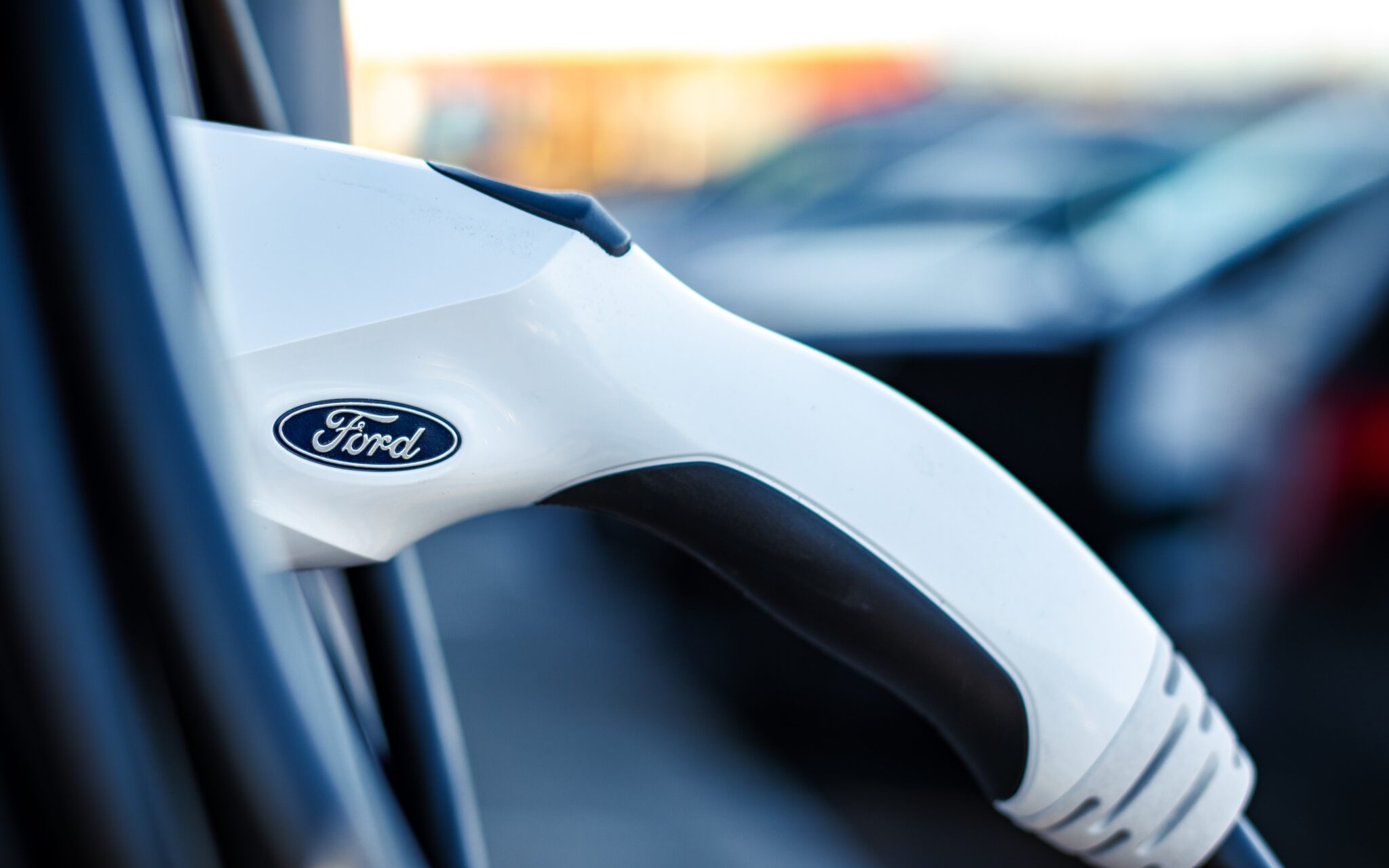
President Biden issued a statement yesterday urging the United Auto Workers and the nation’s “big three” carmakers to reach a deal before the union’s contracts expire on September 14th. Biden credited UAW with helping to “create the American middle class” and stressed the importance of a fair transition from gasoline-powered to electric vehicles. UAW seeks to end a system of tiered wages for different workers and has proposed a set of other wage and benefit increases. Automakers claim their finances are constrained by recent investments in battery plants and other electric technology. Many major unions have endorsed Biden for the 2024 Presidential election, but UAW has not. The lack of an endorsement is widely seen as related to the President’s focus on electric vehicles.
Starbucks’ civility rule for employees has been struck down by a judge applying the National Labor Relations Board’s new Stericycle standard, which Elyse covered earlier this month. The ruling is an early example of how the Board may invalidate broad workplace rules with the potential to chill workers’ exercise of labor rights. The Starbucks rule banned “vulgar or profane language” and required workers to communicate “in a professional and respectful manner at all times.” In his decision, Administrative Law Judge Michael Rosas described the rule as vague and overbroad. Rosas found that Starbucks used the rule to illegally deter organizing by disciplining workers for their private conversations and social media messages.
More details have emerged about a new proposal that Hollywood studios have made to the Writers Guild of America, which Swap covered on Sunday. The proposal includes more transparency regarding streaming viewership, more details limiting the use of artificial intelligence, and more latitude for showrunners to control staffing levels. Both sides have resumed negotiations as the writers’ strike extends into its fourth month.
The First Circuit has upheld the invalidation of Puerto Rico’s 2022 employment law reform. Law 41-2022 guaranteed employees more vacation time, paid leave, and other benefits. It was struck down on the grounds that Puerto Rico’s governor failed to provide a formal estimate of the law’s impact on Puerto Rico’s compliance with a fiscal plan imposed by the Financial Oversight and Management Board for Puerto Rico, an entity created by Congress in 2016.




Daily News & Commentary
Start your day with our roundup of the latest labor developments. See all
October 22
SCOTUS declines Wilcox appeal; Penn State research assistants win bargaining rights; SEIU sued over military leave firing.
October 21
DOL withdraws tipped-worker rule; Instacart settles hiring-bias claims; Phillips 66 locks out New Jersey refinery workers.
October 20
Korean unions oppose labor exemption bill; Portland city workers prepare for strike; UPenn grad student union looks to dismiss university filing
October 19
FDA reverses course on policy prohibiting off-duty union activity; FAA and NATCA reach deal to secure pay increase for air traffic controllers.
October 18
Federal judge again halts cancellation of the Bureau of Prisons’ CBA; tabletop gaming workers face roadblocks in union recognition.
October 16
Department of Labor reduces wage-and-hour enforcement at unionized workplaces; Fain's victory poses question of federal monitor's extension.