
Justin Cassera is a student at Harvard Law School.
In today’s news and commentary, a Washington bill giving unemployment benefits to striking workers goes to the governor, the MLBPA discloses its legal expenses, and two former Twitter employees seek class certification for a gender bias lawsuit.
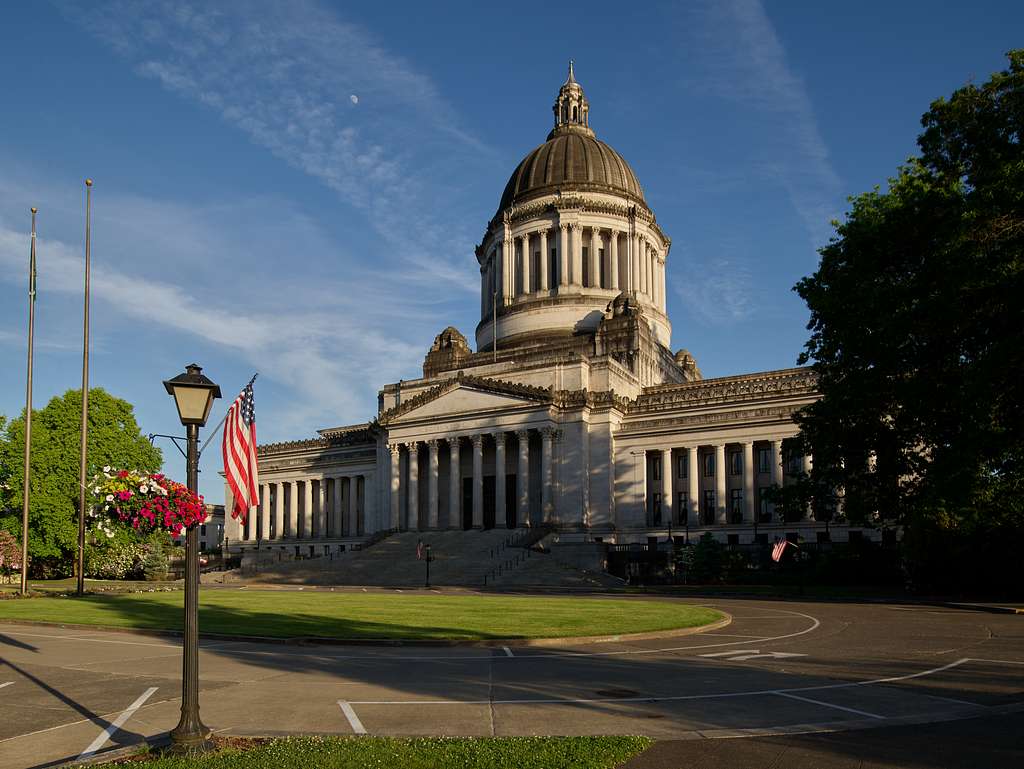
On Saturday, the Washington state legislature sent SB 5041 to Governor Bob Ferguson’s desk. If signed, this law would allow striking workers to receive unemployment benefits for up to six weeks. Republicans oppose the bill, arguing it will incentivize strike action and result in higher costs for businesses. Benefits would need to be repaid if the strike is later deemed illegal. The bill’s future is uncertain—a few states have similar programs, but efforts elsewhere have been met with opposition. Governor Ferguson has remained silent on the issue.
According to a recent filing with the Department of Labor, the Major League Baseball Players Association tripled its annual legal expenses in 2024 to nearly $5.2 million. The disclosure is the first to detail salaries and legal expenses for both the union and its for-profit subsidiary. It comes following tensions and disputes last year over the union’s direction, leadership, and financial transparency. The increase is likely due to preparations for new collective bargaining talks following the expiration of their current agreement in 2026. Earlier this year, MLBPA Executive Director Tony Clark said that he expects a difficult negotiation process and a lockout that may delay the season. The increase may also be in part spurred by the MLBPA’s growth, most notably its addition of minor league players in 2022.
Two former employees of Twitter, since renamed X, are seeking class certification for their lawsuit alleging gender discrimination during the company’s mass layoffs. If successful, the motion would establish a class of 1,305 female ex-employees who could recover pending settlement or victory at trial. The motion is the third of its kind and claims to have the characteristics necessary to survive class certification, citing common and predominant questions that apply to all female ex-employees. These include otherwise unexplainable gender disparities in those who were laid off and “critical evidence” of “Musk’s animus toward women.” Class certification would mark another loss to Musk in the flurry of litigation that has followed his takeover and would likely increase pressure to settle.




Daily News & Commentary
Start your day with our roundup of the latest labor developments. See all
October 13
Chicago hotel workers remain on strike; a coalition of Democratic states sues the Labor Department over canceled unemployment insurance grants; the Federal Labor Relations Authority establishes a new mediation framework for federal worker disputes.
October 12
Workers at the Obama Foundation begin organizing; MLB submits its latest collective bargaining agreement proposal; Brigham & Women's nurses postpone strike.
October 11
UAW President Shawn Fain succeeds in his reelection bid, and Spanish unions call for a general strike.
October 9
DHS proposes a $100k fee for the foreign grad employment program; Trump suspends tech company access to green card program; and private equity perpetuates poor working conditions for home care workers.
October 8
NLRB judge finds UPS unlawfully restricted union insignia; Harvard graduate workers authorize second strike; OSHA orders Union Pacific to pay $300,000 in damages in whistleblower case.
October 7
DOL scraps plan to remove decades-old wage-and-hour guidance from federal regulations; New York enacts personnel records access law; Starbucks loses bid to dismiss Workers United trademark suit.