
In today’s News and Commentary, the Supreme Court ruled in favor of bakery delivery drivers in an exemption from mandatory arbitration case and a Teamsters Local ends its 18-month strike by accepting settlement payments and agreeing to dissolve.
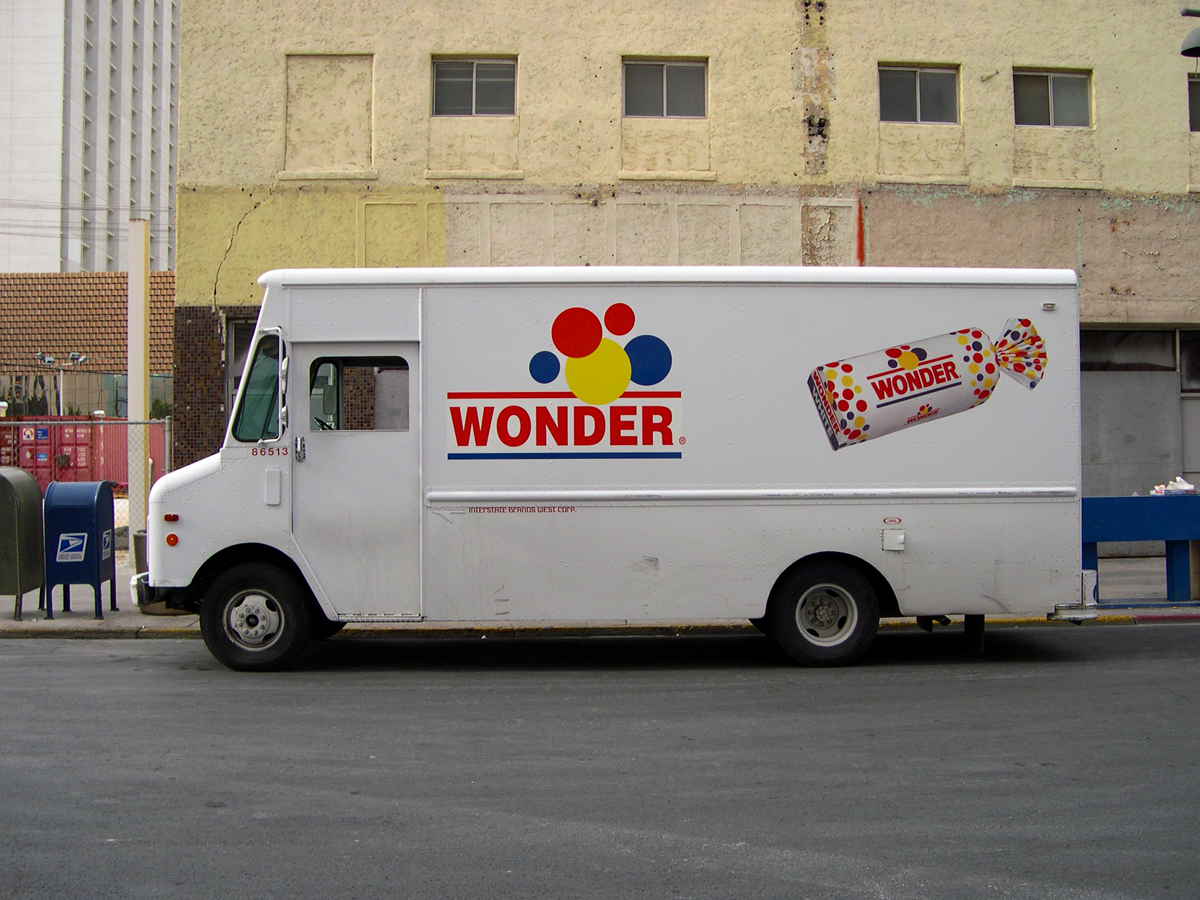
Last Friday, the Supreme Court unanimously held in favor of bakery delivery drivers, ruling that the drivers are transportation workers exempted from mandatory arbitration by Section 1 of the Federal Arbitration Act. Bissonnette v. LePage Bakeries Park St. asked the Court to interpret, yet again, the class of workers the FAA intended to exempt. The workers are delivery truck drivers for Flower Foods, the second-largest producer and marketer of packaged bakery foods in the U.S., according to the company’s website. Flower Foods is the parent company of Wonder Bread and Dave’s Killer Bread, among other brands. In 2019, the delivery truck drivers sued Flower Foods alleging that the company violated state and federal wage laws. Flower Foods moved to compel arbitration. For more details about the case’s procedural history and the parties’ briefs, read Gwen’s post. The company argued that the FAA exempts only workers in the transportation industry, not workers in other industries who happen to transport, load, or unload goods. Flower Foods, the company argued, is in the baking industry, thus their delivery drivers are not exempted by Section 1. The Court rejected this argument, suggesting that a reading of the Act that defines the exemption on an industrywide basis would be rather “strange.” It is not yet clear how impactful this decision will be on limiting mandatory arbitration – as Andrew noted, this was an easy case and the Court’s decision appears to be a plain interpretation of the Act.
Teamsters Local 211/205, representing Pittsburgh Post-Gazette truck drivers, accepted a settlement payment and agreed to dissolve itself, ending its 18-month strike against the newspaper. The union was one of five Gazette unions that walked off the job in October, 2022. After 18 months of impasse, the twenty-three striking Teamsters unanimously voted to settle with the company. The remaining four unions expressed disappointment that the Teamsters chose to negotiate a settlement on their own and in secret. This settlement agreement will reduce the active strike numbers by nearly a third, from around 90 to just over 60 strikers. Strike leadership committed to continuing their efforts until the remaining unions could reach a positive outcome with the Gazette and parent company, Block Communications.


Daily News & Commentary
Start your day with our roundup of the latest labor developments. See all
October 2
Gov. Newsom signs bill regulating AI in workplace; federal judge blocks Trump's $100,000 H-1B visa fee.
October 1
Senate confirms Keith Sonderling as Labor Secretary; Amazon warehouse workers launch an unfair labor practice strike.
September 30
Harvard grad union wins in First Circuit; AI data trainers initiate misclassification suits; Trader Joe’s found liable under ERISA.
September 29
Unions, AI companies, and private equity firms form a new coalition to shape data center policies; unions express support for the Paramount-Warner Bros. merger.
September 28
The Protect College Sports Act nears passage in the Senate; San Francisco municipal workers agree to contract extensions.
September 27
The Trump Administration reaches a settlement with federal unions on reduction in force actions; the United Auto Workers file an en banc petition seeking review of a Second Circuit decision regarding labor arbitrations.