
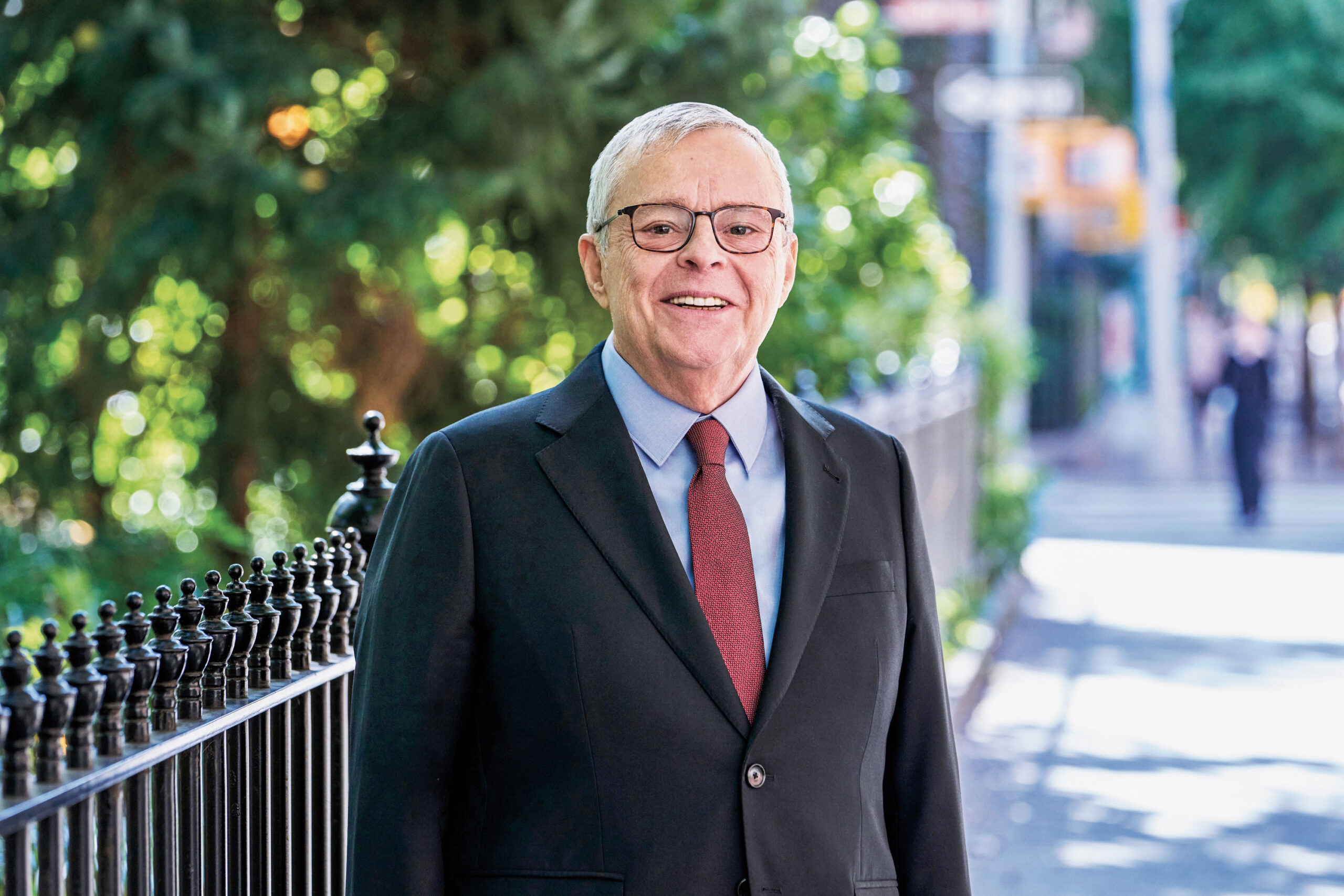
Sam Estreicher is the Dwight D. Opperman Professor of Public Law at NYU School of Law, where he directs the Center for Labor and Employment Law. He served as chief reporter of the Restatement of Employment Law (2015).
Sam Estreicher is the Dwight D. Opperman Professor of Law at NYU School of Law where he directs its Center for Labor and Employment. He served as chief reporter of the Restatement of Employment Law (2015).
Professor Bagenstos suggests that I am somehow in league with “skeptics” of the civil rights laws and am calling for a form of “second-class citizenship” in my previous post urging greater use of the “safe harbor” approach in achieving antidiscrimination objectives. Just to repeat: I am advocating an EEOC-supervised program in which individuals in certain categories (identified by the agency) who want to work and, despite the best efforts over decades by administrative agencies and advocates, cannot find work, can enroll and seek work with participating employers who are encouraged to take a chance and hire them because they know that during a limited probationary period employment can be terminated for any reason. This is not an all-purpose panacea and is certainly not intended to foreclose bolstered enforcement efforts of a more traditional type (which I favor). It is intended to break through a kind of employment market logjam, to pursue the achievable good for individuals who chose to enroll and find employment.
In this particular context, there is little reason to fear that employers will participate for the purpose of taking advantage of short-term employees. Proceeding under agency oversight, this will be a highly visible program. Employers who are not interested will simply not get involved.








Daily News & Commentary
Start your day with our roundup of the latest labor developments. See all
July 24
EEOC drops request for UPenn's Jewish staff; Starbucks defeats mail-in ballots; and Mamdani appoints Lina Khan.
July 23
Ninth Circuit affirms ban of transphobic books in school; leading demographer warns of impending labor shortage.
July 22
EDNY strikes down state labor board law; D.C. Circuit applies Loper Bright to NLRB; Joint employer bill reaches the House floor.
July 21
Fifth Circuit transfers an Anheuser-Busch NLRB case to the Eleventh Circuit; a new report makes the case for tripling union membership.
July 20
New York City weighs banning horse carriages despite union opposition; public defenders go on strike; cinema workers stage walkout.
July 17
Canadian wildfires endanger rail workers; 26 Meta employees allege targeted layoffs for those on paid leave; FIFPRO pushes for more rigorous heat protections for players.