
Elias Decker is a student at Harvard Law School.
In today’s News and Commentary, Los Angeles teachers reach tentative agreement, labor leaders launch Union Now, and federal unions challenge FLRA power concentration.
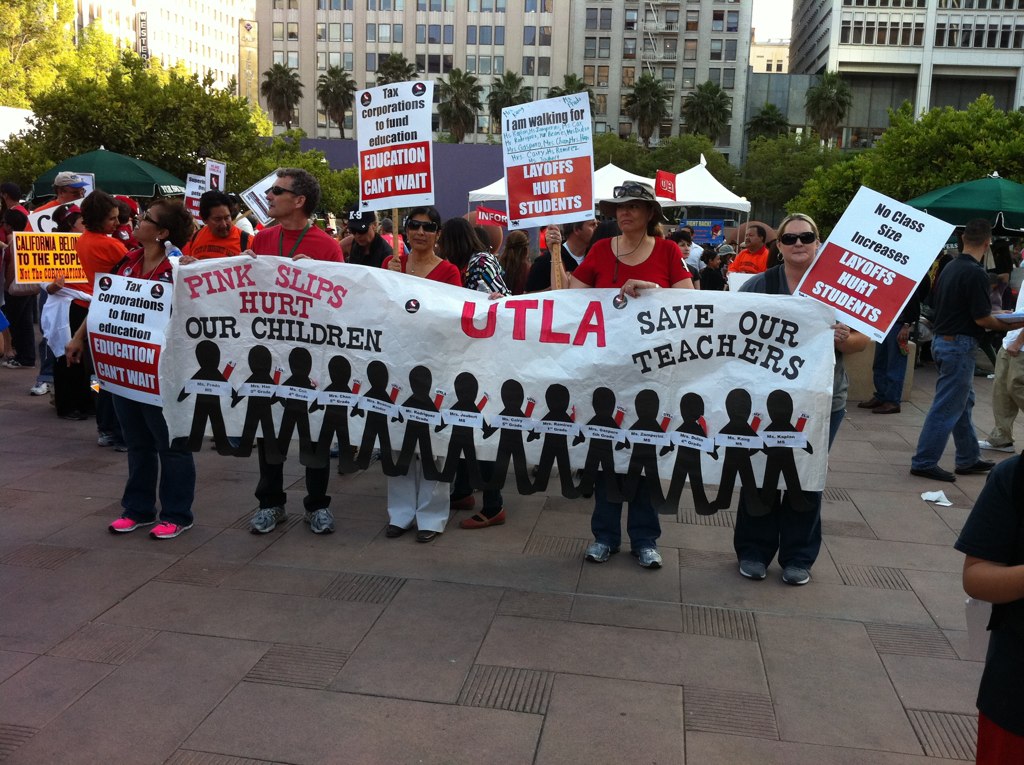
On April 12th, the United Teachers Los Angeles (UTLA) reached a tentative agreement for a new two-year contract with Los Angeles Unified School District after months of negotiations. The tentative agreement remains to be ratified by UTLA’s membership. It features an average salary increase of 13.86%, with a minimum increase of 8%. Among other provisions, the agreement includes protections against AI-induced job displacement, providing that AI “cannot be used to replace bargaining unit positions” or to “surveil or share information of any employees or students.” This development occurred within days of Los Angeles reaching tentative agreements with two other school-worker unions: the Associated Administrators Los Angeles and Service Employees International Union Local 99. All three unions were set to go on strike this week.
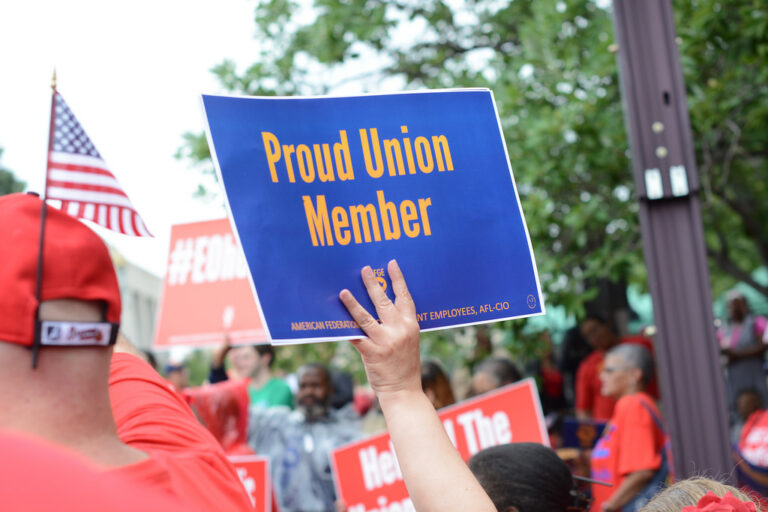
At a rally on April 12th, Sara Nelson, President of the Association of Flight Attendants launched Union Now. This non-profit is “about making it possible for working people to get a union, to outweigh the boss, to be able to stand up to bosses who fire workers illegally during organizing drives, to support recognition strikes and to support contract strikes too,” Nelson explained. She envisions Union Now as helping bridge the gap between the 70% of workers who want a union and the meager 10% of workers who have one. Nelson, joined by Vermont Sen. Bernie Sanders and New York Mayor Zohran Mamdani, described an organizing terrain where employers’ power effectively deprives workers of their right to organize. Julie Su, deputy mayor for economic justice in New York City and Secretary of Labor during the Biden Administration, also spoke, adding how an “NLRB hostile to workers” leads to results that are “predictable and devastating.”
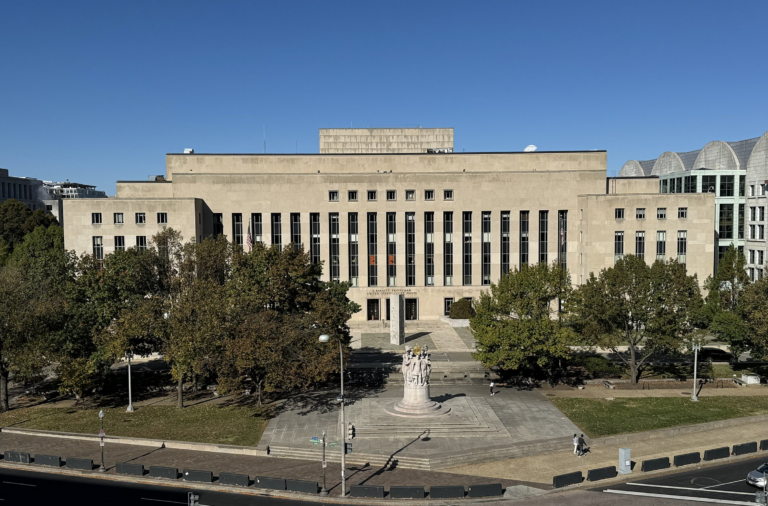
On April 15th, over half a dozen federal unions sued the Federal Labor Relations Authority (FLRA) in the District of Massachusetts over a recently proposed rule that would centralize representational matters, like certifying union petitions, within board. The unions’ complaint explains that the Authority’s central board has traditionally delegated representational matters to regional directors. On March 24th, the FLRA issued a press release announcing that two interim final rules would end this longstanding practice of delegation. One of the rules explains that this change seeks to “streamlin[e] the decision-making process” of representational matters. It goes on to explicitly connect this to Executive Order 14,210, “Implementing the President’s ‘Department of Government Efficiency’ Workforce Optimization Initiative.” The unions allege that these changes violate the APA’s provisions against “arbitrary and capricious” decision-making and seek a court injunction against the changes. Recent context has made changes to the FLRA all the more important: The Trump administration argues that any challenge to its termination of over 1 million federal workers’ union contracts must go through the FLRA before the courts. If the D.C. Circuit accepts that argument, then the makeup and procedures of the FLRA will have profound impacts on federal workers’ union rights.

Daily News & Commentary
Start your day with our roundup of the latest labor developments. See all
June 12
Third Republican NLRB member sails through appointment hearings; UAW secures symbolic deal with General Motors supplier.
June 11
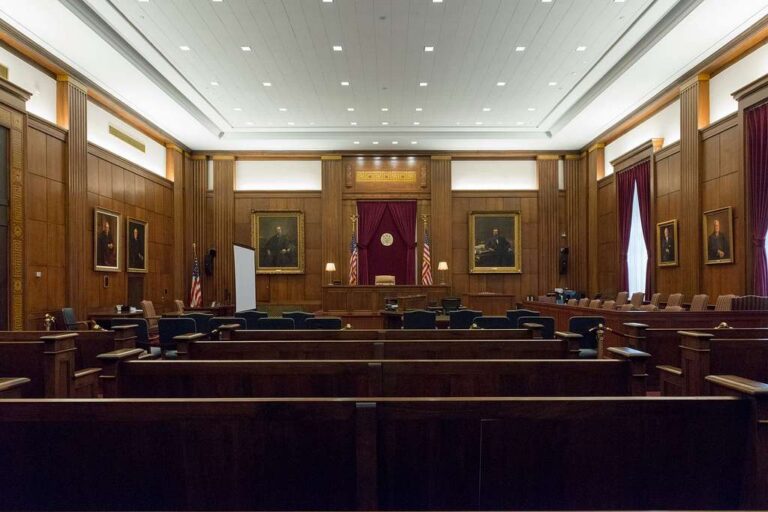
DC Circuit enforces an NLRB bargaining order; House passes a bill to speed up negotiating between employers and unions.
June 10
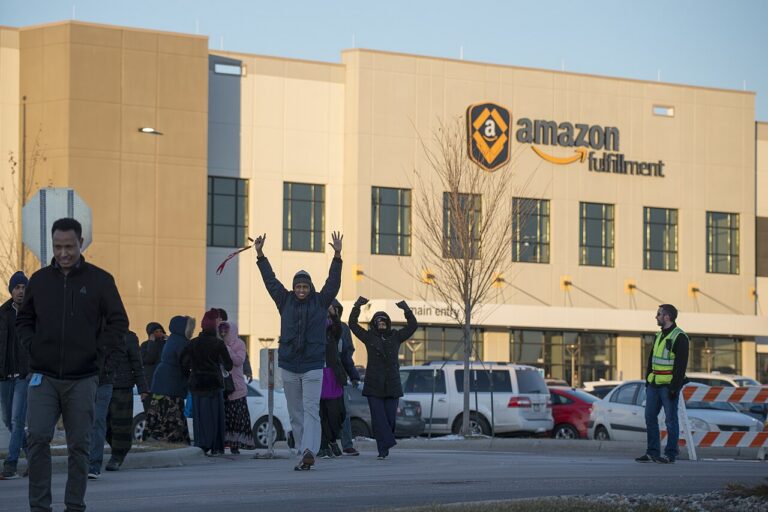
SoFi Stadium workers narrowly avoid World Cup strike; Amazon's NLRB challenge to remain in Fifth Circuit; House passes strict timeline bill for first union contracts.
June 9
SoFi Stadium workers authorize a strike ahead of the World Cup; the NLRB finds Starbucks violated labor law; Trump’s $100,000 H-1B visa fee is struck down.
June 8
BLS releases May jobs reports; US Trade Representative proposes new tariffs.
June 7
SAG-AFTRA members ratify a four-year CBA and the International Trade Union Confederation releases its 2026 Global Rights Index.