
Anjali Katta is a student at Harvard Law School.
In today’s news and commentary, Census Bureau layoffs, Amazon holiday hiring, and the final settlement in a meat producer wage-fixing lawsuit.
About 100 Federal Census Bureau workers in Tucson, Arizona, received layoff notices on Oct. 10 due to a lack of funds amid the ongoing government shutdown and broader workforce cuts under President Trump. The layoffs, set for early December, are part of a larger trend, with the Census Bureau already losing 1,500 employees since January through a resignation incentive program. As reported on by Finlay, over 4,000 federal workers have been recently laid off (or will be laid off), including staff at Health and Human Services, Treasury, Commerce, Department of Education, and the Department of Housing and Urban Development.
Amazon announced plans to hire 250,000 workers for the upcoming holiday season, maintaining the same seasonal hiring levels as the past two years. The roles include full-time, part-time, and seasonal positions. Temporary workers will earn an average of $19 per hour without benefits, while permanent employees make around $23 per hour with benefits. Amazon’s hiring stands out amid a generally weak holiday labor market, where overall seasonal job additions may fall below 500,000 which is the lowest level estimated since 2009. Commentators suggest that reduced seasonal hiring is caused by a multitude of factors including looming tariffs, inflationary pressures, automation, and a preference for permanent staff over seasonal hires.
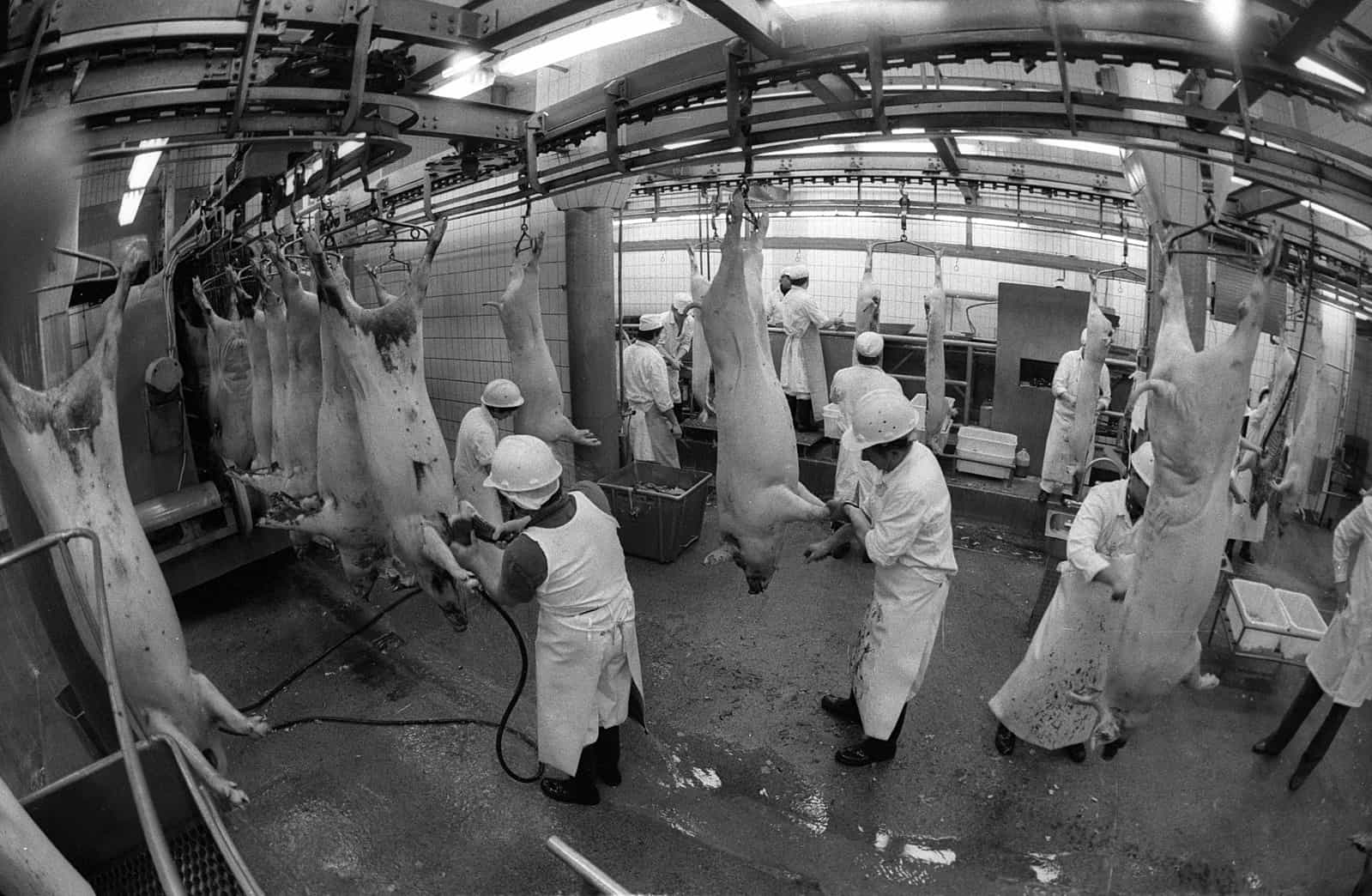
Agri Stats, a data provider for meat processors, has agreed to stop sharing plant-level wage data as part of a settlement in a major wage suppression lawsuit involving U.S. poultry processors. This marks the final settlement in a class action lawsuit first filed in 2019 by low-wage poultry workers, who accused meat processing companies and Agri Stats of using the shared data to suppress wages. Specifically, workers alleged that Agri Stats allegedly supplied wage data to processors like Tyson Foods, Perdue Farms, and Butterball to coordinate and suppress wages. The lawsuit had previously resulted in the large meat processors paying a combined $398 million to settle antitrust wage-fixing claims made against them. Under the Oct. 10 agreement, Agri Stats will no longer include detailed wage fields in its reports and plaintiffs believe this settlement will help prevent future wage coordination.





Daily News & Commentary
Start your day with our roundup of the latest labor developments. See all
August 7
Starbucks beats claims it denied shifts to union workers; Center for State Labor Innovation aims to address labor law shortcomings.
August 6
Taylor Farms faces scrutiny over labor practices; Bipartisan labor bill gains momentum.
August 5
Clash over potential change to Canada’s labor code; Harvard’s Center for Labor and a Just Economy releases model sectoral bargaining laws; NJ sues Amazon for antitrust violations.
August 4
WestJet reaches a deal to end a flight attendant strike; the NLRB rules Whole Foods legally banned Black Lives Matter display; a commentary argues college athletes should have the right to collectively bargain.
August 3
Queens College faculty stage protest; UAW holds presidential debate; the Protect College Sports Act gets new life.
August 2
WestJet flight attendants go on strike, and the American Federation of Government Employees challenges another VA attempt to terminate its collective bargaining agreement.