
Henry Green is a student at Harvard Law School.
In today’s News and Commentary, a look at on-campus labor stories here in Massachusetts, where university administrators appear to be pushing back in negotiations with academic unions.
At Clark University, the Boston Globe reports that undergraduate student workers (which include students who earn hourly wages through work-study programs) ended a ten day strike without winning an agreement for card check recognition. Teamsters Local 170, which has represented graduate students at Clark since 2022, filed a petition with the NLRB to represent the undergraduates in February, but later withdrew the petition and was seeking a card check agreement. A blog post from Proskauer chronicles a wave of undergraduate organizing since 2016, with unions representing resident advisors, tour guides, and students who work in dining halls, libraries, and cafes, among other roles.
Notably, the Globe reports that “attorneys for Clark also argued in a legal filing to the National Labor Relations Board that a federal ban on undergraduate unions in place until 2016 had been wrongly overturned,” referring to the NLRB’s decision in Columbia University. Columbia approved a bargaining unit that included both graduate and undergraduate teaching assistants. A Clark spokesperson later said the university would not challenge Columbia University, though the issue may have been mooted by the Teamsters withdrawing their NLRB petition.
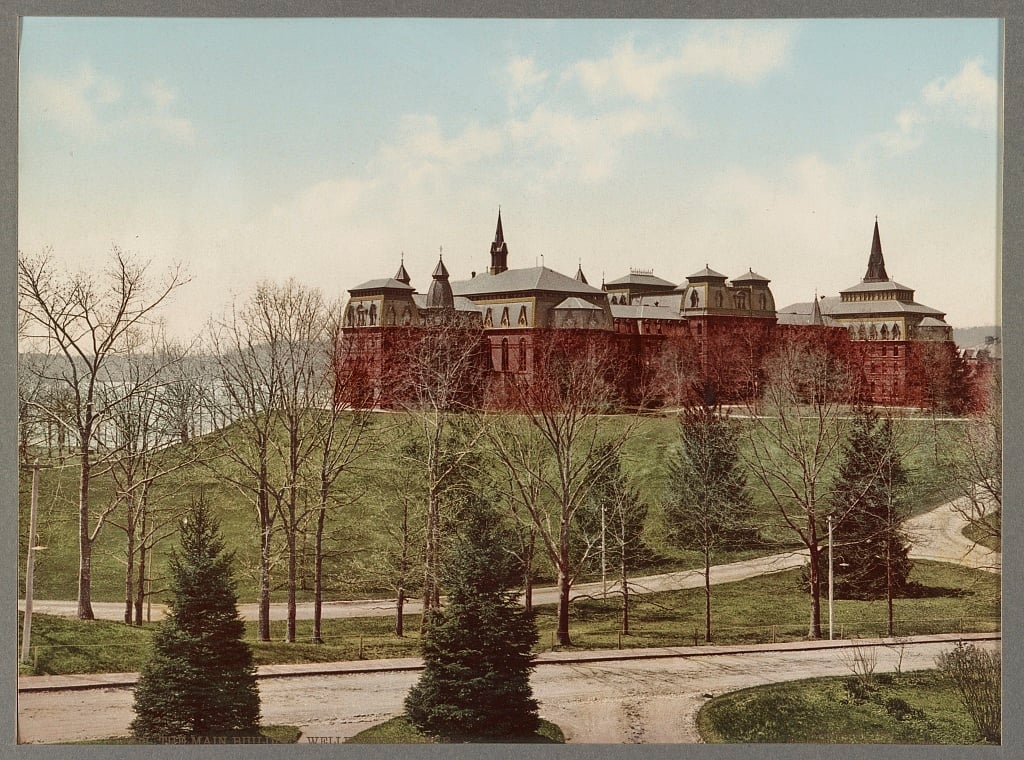
Meanwhile, at Wellesley College, non-tenure-track faculty went on strike last week. The Globe reports that in response, the university emailed students with a choice to either switch into classes still being held, or risk not getting academic credit for the classes with striking professors. Wellesley’s provost cited federal regulations requiring credits to be consistent with a minimum number of classroom hours for the decision. However, the Globe notes some observers saw the move as “unusually aggressive.” The professors organized last year and have been in the process of bargaining a first contract over the past 10 months. Per the Globe, a provision over the number of classes to be taught by non-tenure-track faculty proved to be the major sticking point in negotiations and motivated the strike. The union was expected to return to the bargaining table yesterday.
Here at Harvard, negotiations got underway in February for a third contract with the Harvard Graduate Student Union (HGSU). The Crimson reported last week that HGSU and the University were unable to agree on ground rules for the negotiation, with the union pushing for open bargaining (which would allow union members who aren’t on the bargaining committee to attend) and the university preferring closed sessions. The union said in an email to its members that Harvard representatives have argued open bargaining in 2021 created a “chilling effect.” On Friday, with the sides unable to agree, HGSU agreed to negotiate “without ground rules” about bargaining observation. The union and Harvard bargain biweekly. The current HGSU contract expires on June 30.

Daily News & Commentary
Start your day with our roundup of the latest labor developments. See all
October 6
Protect College Sports Act dampens athlete unionization outlook; Stanford RA union decides to withdraw petition
October 5
Delaware bans captive audience meetings; EEOC settles remote work national origin discrimination claim; First Circuit stays enforcement order in VA's dispute with AFGE.
October 4
Boston nurses announce open-ended strike; federal judge restores federal prison workers' union protections; St. Louis workers form the first movie theater union in Missouri.
October 2
Gov. Newsom signs bill regulating AI in workplace; federal judge blocks Trump's $100,000 H-1B visa fee.
October 1
Senate confirms Keith Sonderling as Labor Secretary; Amazon warehouse workers launch an unfair labor practice strike.
September 30
Harvard grad union wins in First Circuit; AI data trainers initiate misclassification suits; Trader Joe’s found liable under ERISA.